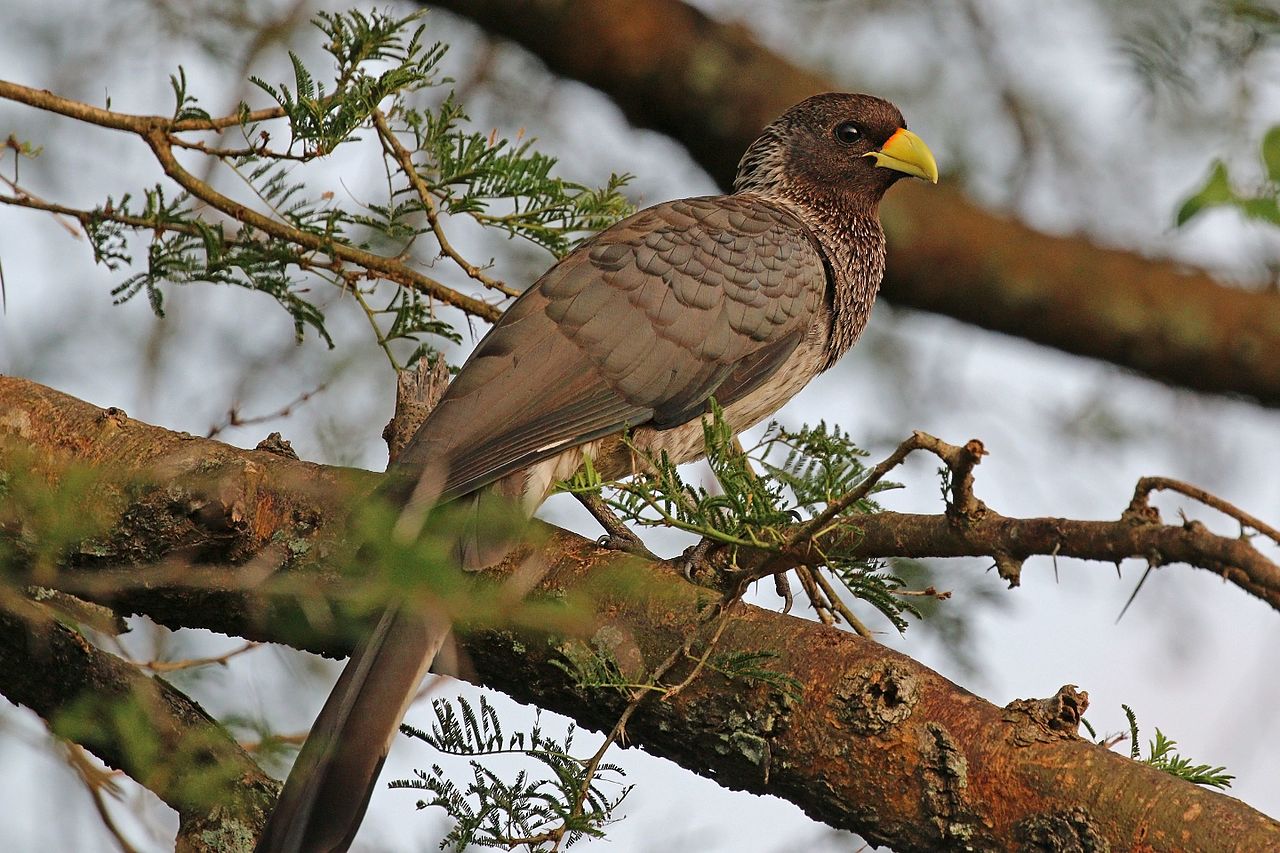
The eastern phoebe is a small passerine bird. The genus name Sayornis is constructed from the specific part of Charles Lucien Bonaparte's name for Say's phoebe, Muscicapa saya, and Ancient Greek ornis, "bird". Phoebe is an alternative name for the Roman moon-goddess Diana, but it may also have been chosen to imitate the bird's call.
Region
Eastern North America
Typical Environment
Breeds widely in open woodlands, forest edges, and riparian corridors, especially where vertical surfaces provide nest ledges. Common around farms, parks, and rural buildings, readily adopting bridges and eaves. Winters from the southeastern United States through the Gulf Coast into northeastern Mexico. Prefers perches with clear flyways near water or open clearings.
Altitude Range
Sea level to 1800 m
Climate Zone
Temperate
Ease of Keeping
Beginner friendly: 1/5
Eastern phoebes are among the earliest returning flycatchers in spring, often nesting on human-made structures like bridges, porches, and culverts. They frequently pump or wag their tails while perched. Their name echoes their raspy 'fee-bee' song. They help control insect populations around farms and homesteads.


Temperament
solitary and territorial
Flight Pattern
short rapid wingbeats with frequent short sallies from perches
Social Behavior
Typically solitary outside of the breeding pair, with males defending territories. Nests are cup-shaped and often placed on ledges of human structures or rock outcrops. They frequently raise two broods per season where conditions allow.
Migratory Pattern
Seasonal migrant
Song Description
A sharp, raspy 'fee-bee' or 'phoebe' repeated steadily, especially at dawn and early morning. Call notes are chip-like and dry, given while sallying from perches.
Plumage
Plain brownish-gray above with a slightly darker head, off-white underparts often with a faint olive or yellowish wash, and a subtle dusky breast band. Wings and tail are dusky with minimal or no wing bars. Feathers appear smooth and relatively unpatterned overall.
Diet
Primarily catches flying insects such as flies, beetles, wasps, and moths by sallying out from exposed perches. Also gleans insects from foliage and occasionally the ground. In cooler months or poor weather, it supplements its diet with small fruits and berries.
Preferred Environment
Hunts from low to mid-level perches along forest edges, near streams, and around buildings and fences. Often forages near water where insect abundance is high, with open sight lines for quick aerial pursuits.