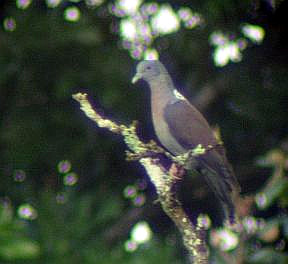
The eastern black-headed batis is a passerine bird in the family Platysteiridae from eastern Africa. It was formerly treated as conspecific with the western black-headed batis.
Region
Eastern Africa
Typical Environment
Found from coastal and near-coastal regions of southeastern Somalia through Kenya and Tanzania into northern Mozambique. It inhabits lowland and coastal evergreen forest, riverine thickets, mangroves and adjacent scrub, and miombo or mixed woodland edges. The species favors forest edge, secondary growth, and thicket mosaics where it can hunt from low to mid-level perches. It often joins mixed-species flocks outside of the breeding season and adapts well to patchy, fragmented woodlands.
Altitude Range
Sea level to 1500 m
Climate Zone
Tropical
Ease of Keeping
Beginner friendly: 2/5
The eastern black-headed batis is a small flycatcher-like passerine of the Platysteiridae, occurring in lowland and coastal habitats of eastern Africa. Males show a bold black head and breast band, while females typically have a rufous-brown breast band and browner head, making the species sexually dimorphic. It was formerly treated as conspecific with the western black-headed batis, but is now recognized as distinct. Pairs are territorial and often perform quick sallying flights to snatch insects from foliage or mid-air.

Batis minor
Temperament
solitary and territorial
Flight Pattern
short rapid wingbeats with quick sallies from perches
Social Behavior
Typically found in pairs that defend small territories year-round, often engaging in wing-flicking displays and tail cocking. During the non-breeding season they may join mixed-species foraging flocks, especially along forest edges. Nests are neat, shallow cups placed in forks or on thin horizontal branches, with both parents participating in care.
Migratory Pattern
Resident
Song Description
Song is a series of clear, high-pitched whistles delivered in short phrases, often rising and falling in a rhythmic pattern. Calls include sharp ‘tsee’ notes and scolding chatters when alarmed or during territorial interactions.
Plumage
Compact, short-tailed batis with smooth, clean patterning; male has glossy black head and mask with a striking black breast band and white underparts, grey upperparts with a white wing bar. Female is browner above with a warm rufous to chestnut breast band and paler buffy wash below. Both sexes show a neat white supercilium and contrasting blackish tail with white edges. Feathers lie sleek and smooth, emphasizing crisp color boundaries.
Diet
Primarily small insects such as beetles, flies, moths and their larvae, and spiders. It hunts by sallying from exposed perches to snatch prey from foliage or in mid-air and also gleans along branches and leaves. Occasional small arthropods are taken from bark or suspended webs.
Preferred Environment
Forages in the lower to mid canopy and along forest edges, clearings, and dense thickets. Frequently uses perches with good visibility to launch short, precise sallies. Often accompanies mixed-species flocks while feeding along edges and secondary growth.