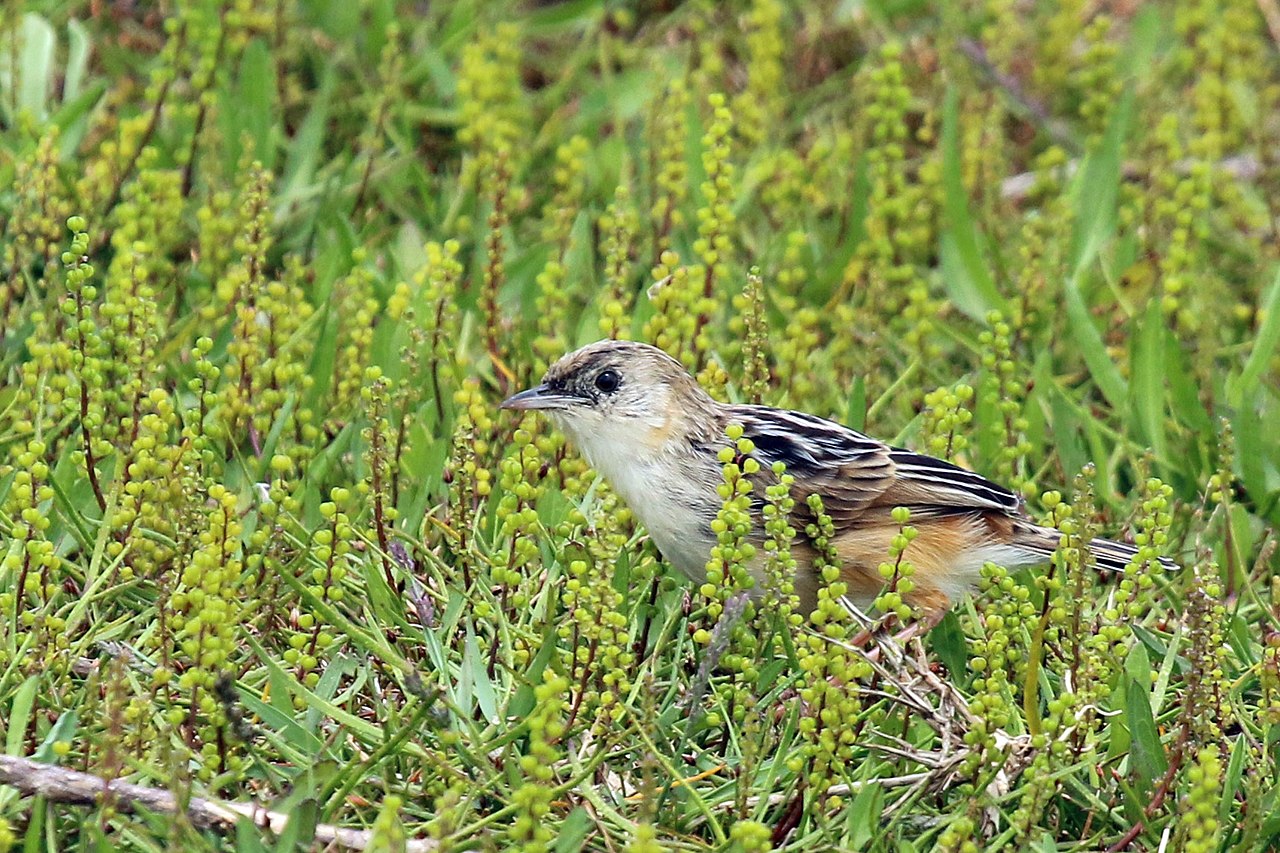
The crimson-rumped toucanet is a near-passerine bird in the toucan family Ramphastidae. It is found in Colombia, Ecuador, and Venezuela.
Region
Northern Andes
Typical Environment
Occurs in humid montane and cloud forests from northern Colombia through Ecuador and into western Venezuela. Prefers mature forest but also uses edges, secondary growth, and fruiting trees in agroforestry landscapes. Typically forages in the mid to upper canopy, descending to edges and clearings when fruiting resources are abundant. Often persists in fragmented forest mosaics if large fruiting trees remain.
Altitude Range
800–2600 m
Climate Zone
Highland
Ease of Keeping
Beginner friendly: 2/5
This toucanet plays an important role as a seed disperser in Andean cloud forests, thanks to its fruit-heavy diet. Pairs and small groups often engage in social fruit-tossing and mutual preening. They nest in tree cavities, frequently enlarging old woodpecker holes, and both parents share incubation and chick-rearing duties.


Temperament
social and active
Flight Pattern
short rapid wingbeats with undulating, tree-to-tree flights
Social Behavior
Usually seen in pairs or small groups and sometimes joins mixed-species flocks. Nests in tree cavities, often modifying existing holes; both sexes incubate and feed the young. Territorial calling and mutual preening reinforce pair bonds.
Migratory Pattern
Resident
Song Description
Vocalizations are a series of soft, frog-like croaks and grunts, often repeated in steady rhythms. Calls carry through the forest canopy but are less piercing than those of larger toucans.
Plumage
Mostly bright green with a distinctly crimson rump and uppertail-coverts; undertail often rufous-tinged. The bill is largely blackish with a pale culmen and a narrow pale line at the base. Subtle bluish tones may be present around the face.
Diet
Feeds primarily on a wide variety of forest fruits, swallowing them whole and later regurgitating seeds, which aids forest regeneration. Also takes insects and other small invertebrates opportunistically, and occasionally eggs or small vertebrates. Foraging is methodical, moving between fruiting trees and probing clusters for ripe berries and drupes.
Preferred Environment
Mid to upper canopy of humid montane and cloud forests, especially at fruiting trees. Frequently visits forest edges, clearings, and shade-grown plantations where fruit is abundant.