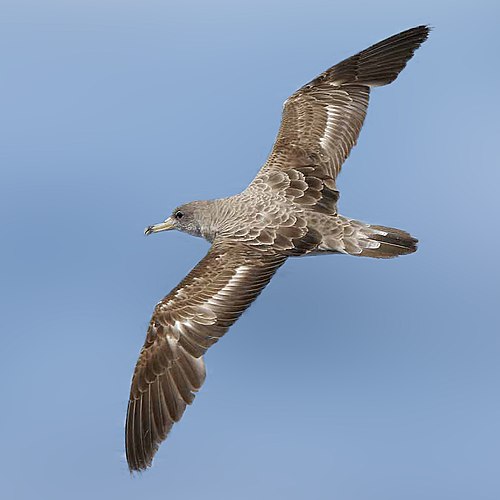
The corn bunting is a passerine bird in the bunting family Emberizidae, a group now separated by most modern authors from the finches, Fringillidae. This is a large bunting with heavily streaked buff-brown plumage. The sexes are similar but the male is slightly larger than the female. Its range extends from Western Europe and North Africa across to northwestern China.
Region
Western Palearctic
Typical Environment
Found from Western Europe and the Mediterranean through North Africa and the Middle East to western and northwestern China. It favors open lowland habitats such as cereal fields, steppe, pastures, fallow land, and field margins with scattered shrubs. In winter it gathers in flocks on stubble and weedy fields, sometimes near villages and farmyards. It avoids dense forests and high alpine zones but will use open valleys and plateaus with hedgerows or scattered bushes.
Altitude Range
Sea level to 2000 m
Climate Zone
Temperate
Ease of Keeping
Beginner friendly: 1/5
Corn buntings are farmland specialists whose metallic, jangling song is often compared to a set of keys being shaken. Males sing from wires or exposed perches and may be polygynous, defending display territories over open fields. They nest on or near the ground in dense vegetation, which makes them vulnerable to early mowing and intensive agriculture. Populations have declined in parts of Western Europe due to changes in farming practices.


In Turkey

Eggs
Temperament
solitary and territorial
Flight Pattern
short rapid wingbeats with undulating flight
Social Behavior
During the breeding season males sing from prominent perches and defend territories; they can be polygynous, mating with more than one female. Nests are placed low in dense grasses or crop cover, and clutches typically contain 3–5 eggs. Outside the breeding season they form flocks, often mixed with other seed-eating birds, and may use communal roosts.
Migratory Pattern
Partial migrant
Song Description
Song is a jangling, metallic series of clicks and trills, like keys shaken on a ring, delivered from wires or exposed posts. Calls include sharp ticks and dry rattles, often given in series.
Plumage
Heavily streaked buff-brown above and below with a plain, somewhat unstreaked rump and pale underparts marked by dark streaks. Feathers appear coarse and scaly, giving a bulky, sparrow-like look.
Diet
Feeds mainly on seeds and grains from cereals and wild weeds, picking items from the ground or low plants. In the breeding season it adds more animal prey, including beetles, grasshoppers, caterpillars, and other invertebrates, especially for chick provisioning. It will also take spilled grain around farms and stubbles in winter.
Preferred Environment
Forages in open farmland mosaics, stubble fields, fallow plots, and along field margins and tracks. Often feeds on bare soil patches, short swards, and weedy edges where seeds and insects are accessible.