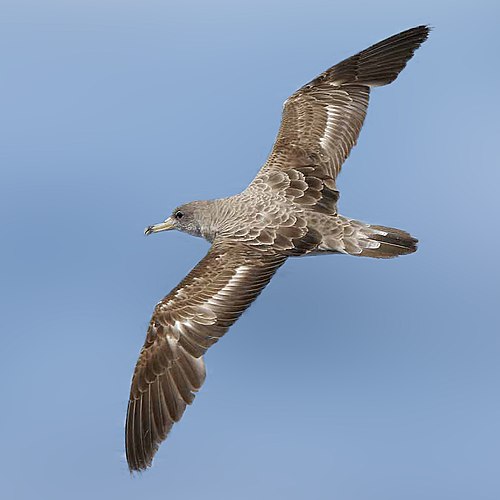
The Corsican nuthatch is a species of bird in the nuthatch family Sittidae. It is a relatively small nuthatch, measuring about 12 cm (4.7 in) in overall length. The upperparts are bluish-grey, the underparts greyish-white. The male is distinguished from the female by its entirely black crown. The species is sedentary, territorial and not very shy. It often feeds high in Corsican pines, consuming mainly pine seeds, but also catching some flying insects. The breeding season takes place between April and May; the nest is placed in the trunk of an old pine, and the clutch has five to six eggs. The young fledge 22 to 24 days after hatching.
Region
Western Mediterranean
Typical Environment
Found exclusively in Corsica’s mountainous interior, primarily in mature stands of Corsican pine (Pinus nigra laricio). It favors old-growth forests with abundant dead wood for nest cavities and a reliable cone crop. Birds forage mostly in the upper canopy but also work trunks and large branches. They avoid low maquis and open habitats, and densities are highest where old pines are continuous. Fragmentation and post-fire landscapes support fewer birds.
Altitude Range
800–1700 m
Climate Zone
Highland
Ease of Keeping
Beginner friendly: 1/5
Endemic to the island of Corsica, this nuthatch is the only bird species restricted to France’s Corsican mountains. It is closely tied to mature Corsican pine (Pinus nigra laricio) forests, where it feeds largely on pine seeds and nests in old trunks. The species is sedentary and strongly territorial year-round. Wildfires and loss of old-growth pine stands are its main threats.


The first plate depicting the species, in this case a pair (male above and female below), and accompanying the June 1884 publication by Richard Bowdler Sharpe.

A female in the gorges of Restonica near Corte, with a dark grey crown towards the front blending rapidly into the grey-blue of the back.


The Corsican nuthatch is an agile bird that likes to prospect upside down.

Illustration by John Whitehead of the first nest he opened in 1884.

Sitta whiteheadi eggs, MHNT.
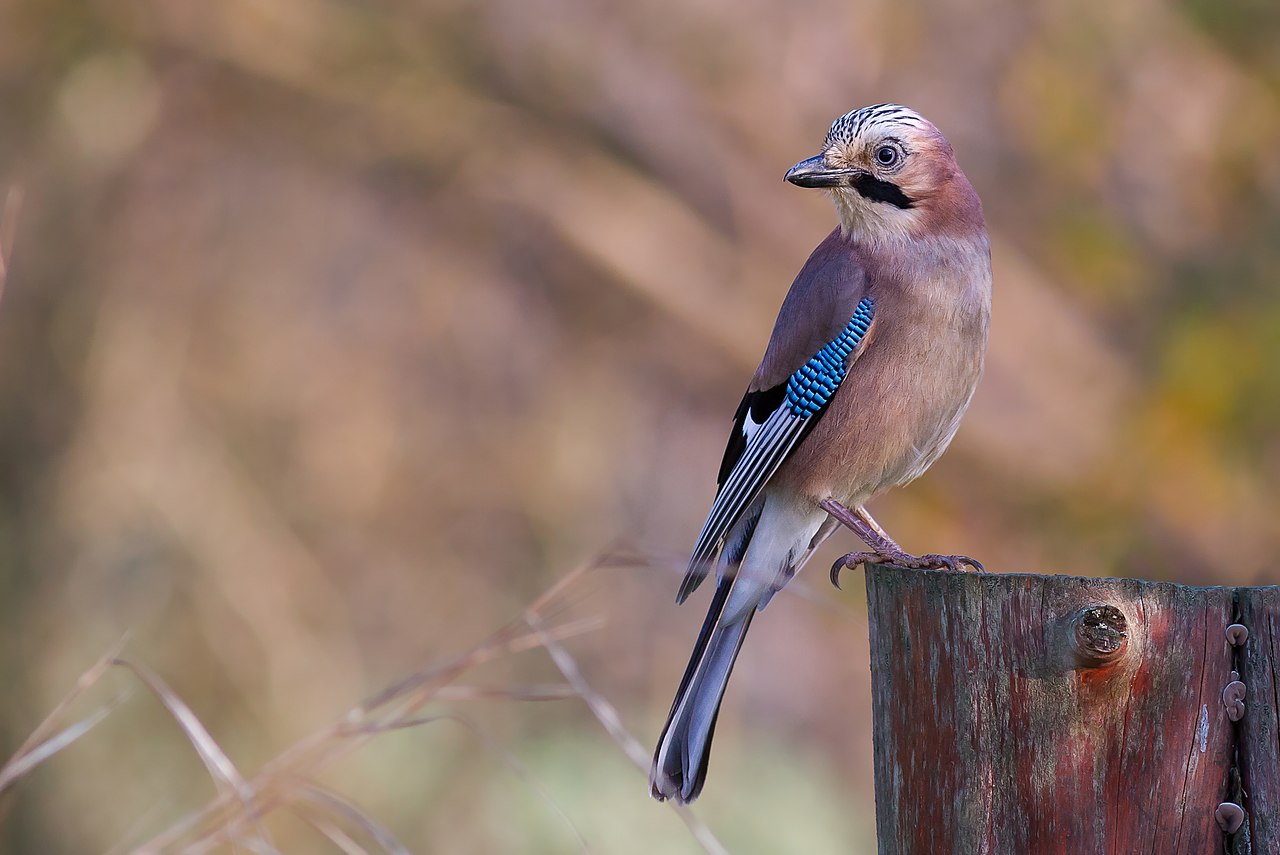
The Eurasian jay counts among the predators of the young Corsican nuthatches.

Forest landscape seen from the "sittelle trail", near the commune of Évisa.
Temperament
solitary and territorial
Flight Pattern
short rapid wingbeats
Social Behavior
Pairs hold and defend territories year-round, remaining together outside the breeding season. They nest in cavities, often excavated or enlarged in old pines, and line the chamber with bark and plant fibers. Clutches typically contain five to six eggs, and both adults feed the young.
Migratory Pattern
Resident
Song Description
Song is a series of clear, piping notes and short, whistled phrases delivered from high perches. Calls include sharp, high-pitched ‘piit’ or ‘tuit’ notes used in contact and alarm. Vocalizations carry well through pine canopies.
Plumage
Bluish-grey upperparts with clean greyish-white underparts and a compact, neat appearance. The male shows a striking solid black crown; females have a darker grey crown. Wings and tail are slate-grey with subtle contrasts. Overall look is crisp and smooth, typical of nuthatches.
Diet
Feeds predominantly on seeds of Corsican pine, prying open or hammering cones to extract kernels. Supplements diet with flying and bark-dwelling insects, especially in spring and summer. Frequently caches pine seeds in bark crevices for later use, retrieving them in winter when cones are scarce.
Preferred Environment
Forages high in the canopy of mature pines and along thick branches and trunks, using strong, probing movements. Occasional short sallies catch airborne insects. It prefers areas with abundant cone production and large, older trees.