

The common firecrest, also known as the firecrest, is a very small passerine bird in the kinglet family. It breeds in most of temperate Europe and northwestern Africa, and is partially migratory, with birds from central Europe wintering to the south and west of their breeding range. Firecrests in the Balearic Islands and north Africa are widely recognised as a separate subspecies, but the population on Madeira, previously also treated as a subspecies, is now treated as a distinct species, the Madeira firecrest, Regulus madeirensis. A fossil ancestor of the firecrest has been identified from a single wing bone.
Region
Europe and Northwest Africa
Typical Environment
Breeds widely across temperate Europe and in parts of northwestern Africa, especially in woodland habitats. Prefers coniferous and mixed forests with spruce, fir, and pine; in Mediterranean areas it also uses evergreen oaks and laurel. Outside the breeding season it may occur in parks, large gardens, and coastal scrub. Partial migrants from central and eastern regions move south and west in winter.
Altitude Range
Sea level to 2500 m
Climate Zone
Temperate
Ease of Keeping
Beginner friendly: 1/5
Among Europe’s smallest birds, the common firecrest is often confused with the goldcrest but shows a bold white supercilium and a striking facial mask. Males display an orange-centered crown stripe used in courtship and territorial displays. The Madeira population was split as a separate species, the Madeira firecrest (Regulus madeirensis). Its high, thin song can be hard for some listeners to hear.


A temporarily stunned adult male found on a pavement in Lille, France. The pattern on its head is seen clearly.
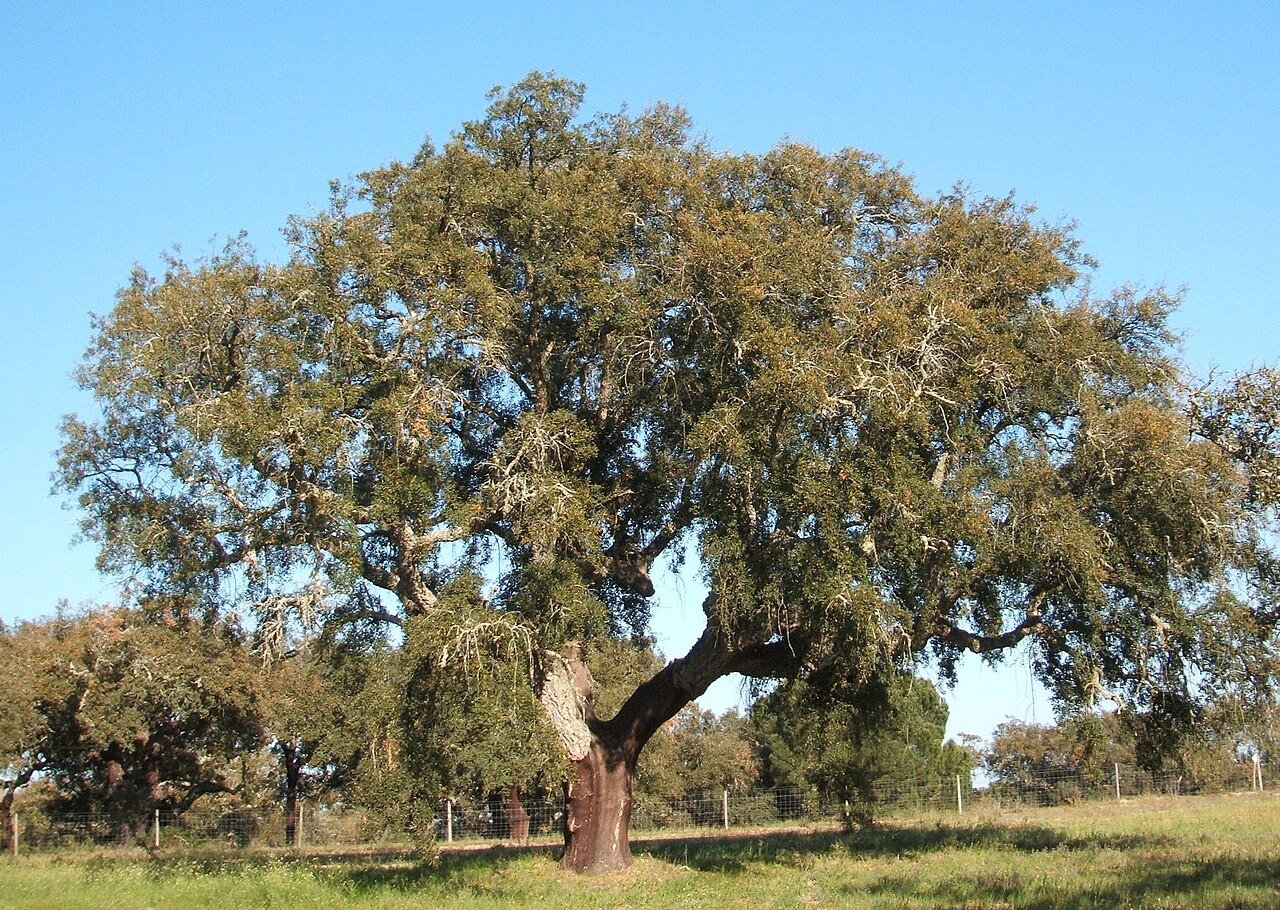
Cork woodland is favoured for breeding.

Singing with crest displayed in a hazelnut tree. Capranica, Italy.

Eggs of Regulus ignicapilla – MHNT

Firecrest parents mainly feed young chicks during their first four days of life with springtails (average length 4 mm) after which time larger food items are given as the chicks grow.

The Eurasian sparrowhawk is a major predator of small songbirds.
Temperament
active and restless
Flight Pattern
short rapid wingbeats with frequent hovering
Social Behavior
Breeds in solitary pairs, building a delicate, domed, hanging nest of moss, spider silk, and lichens in conifers. Typically monogamous within a season. Outside breeding, joins mixed-species flocks with other small passerines while foraging.
Migratory Pattern
Partial migrant
Song Description
A very high-pitched series of thin, accelerating notes that build into a rapid trill. Contact calls are sharp, high 'zit' or 'see' notes, often given repeatedly.
Plumage
Olive-green upperparts with greyish-white underparts and two neat white wingbars; fine-textured, sleek feathers. Head shows a bold white supercilium and black eye-stripe framing a fiery crown stripe bordered by black. The crown is yellow in both sexes, with an orange center in males.
Diet
Feeds mainly on tiny insects and spiders, including aphids, springtails, and small caterpillars. Gleans prey from conifer needles and twigs and occasionally makes short sallies to catch small flies. Will probe clusters of foliage and bark crevices for eggs and larvae. Rarely takes plant material.
Preferred Environment
Forages high in conifer canopies and upper mid-story of mixed woods. In Mediterranean areas, often works evergreen oak and laurel foliage; in winter it may descend to shrubs and hedges, including in parks and large gardens.


