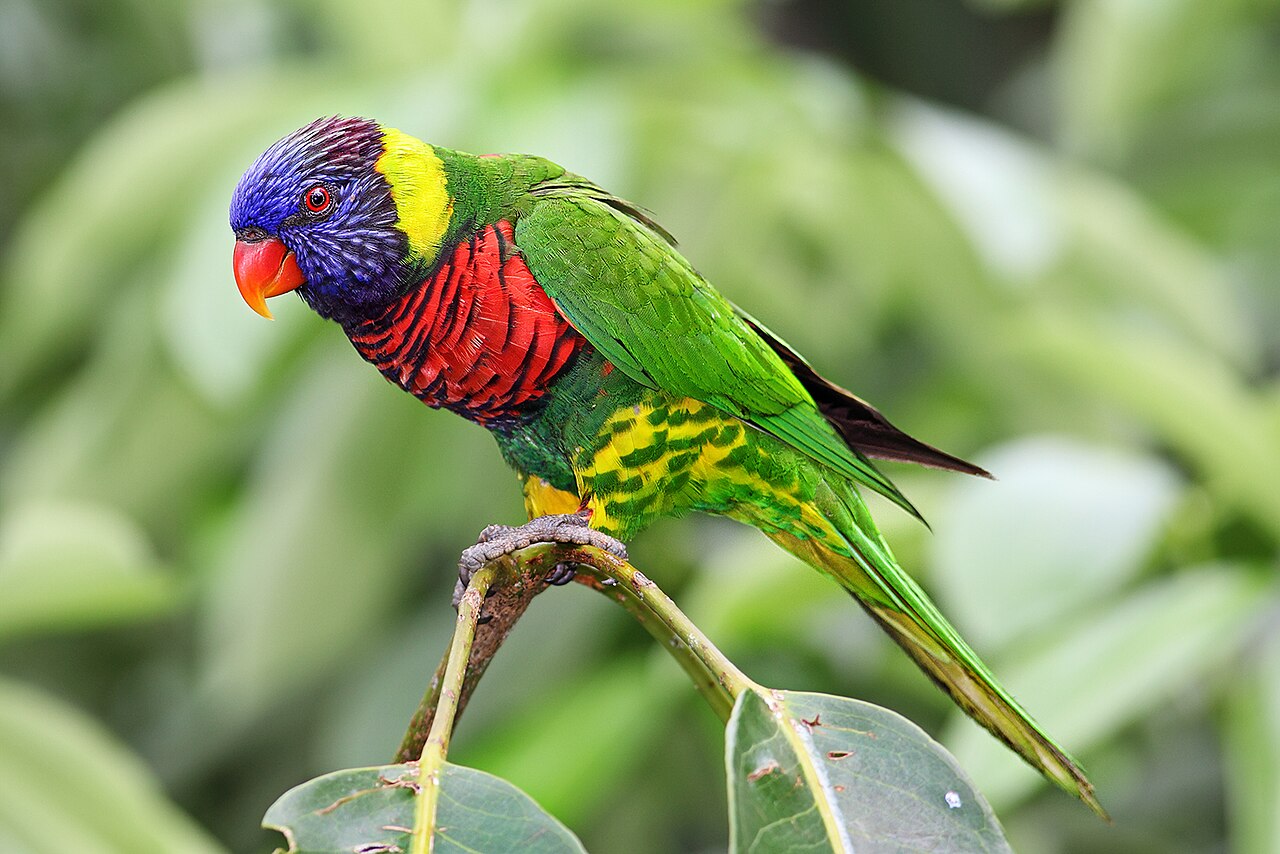
The cocoa thrush is a resident breeding thrush in South America, from eastern Colombia south and east to central and eastern Brazil, as well as on the Caribbean island of Trinidad and some of the Lesser Antilles.
Region
Northern South America and the Lesser Antilles
Typical Environment
Found from eastern Colombia and Venezuela through the Guianas to central and eastern Brazil, and on Trinidad and some of the Lesser Antilles. It occupies humid lowland and foothill evergreen forests, gallery forests, and well-vegetated secondary growth. The species favors dense understory and forest edges, often near streams. It also forages in shaded plantations and large gardens where continuous cover remains.
Altitude Range
Sea level to 1500 m
Climate Zone
Tropical
Ease of Keeping
Beginner friendly: 2/5
The cocoa thrush is a shy forest thrush that spends much of its time on or near the ground, flipping leaf litter to find prey. It has a rich, fluty song delivered from concealed perches, especially at dawn and dusk. Several subspecies vary subtly in darkness and tone, ranging from warm rufous-brown to sooty brown. It readily uses forest edges and shaded plantations, including cacao groves, when understory cover is present.


Temperament
shy and skulking
Flight Pattern
short rapid wingbeats through understory
Social Behavior
Typically solitary or in pairs, defending small territories in dense cover. Nests are neat cup structures placed low in shrubs or small trees. Both parents participate in feeding nestlings. Outside the breeding season it may join mixed-species flocks at quiet forest edges but generally remains inconspicuous.
Migratory Pattern
Resident
Song Description
A rich, melodious series of fluty whistles and phrases, often repeated and delivered from a hidden perch. Calls include soft tchuk notes and thin, high contact whistles.
Plumage
Uniformly warm brown to rufous-brown with slightly paler, sometimes faintly streaked throat and buffy underparts; wings and tail are darker brown.
Diet
Eats insects, spiders, earthworms, and small snails, supplemented with fruits and berries. It forages by hopping on the ground and flipping leaves to expose prey. During fruiting periods it consumes more berries and small drupes, especially in edge habitats. Opportunistic feeding near streams or damp leaf litter is common.
Preferred Environment
Feeds primarily on the forest floor and in dense understory of humid forests. Also uses shaded plantations, forest edges, and overgrown clearings where leaf litter accumulates.