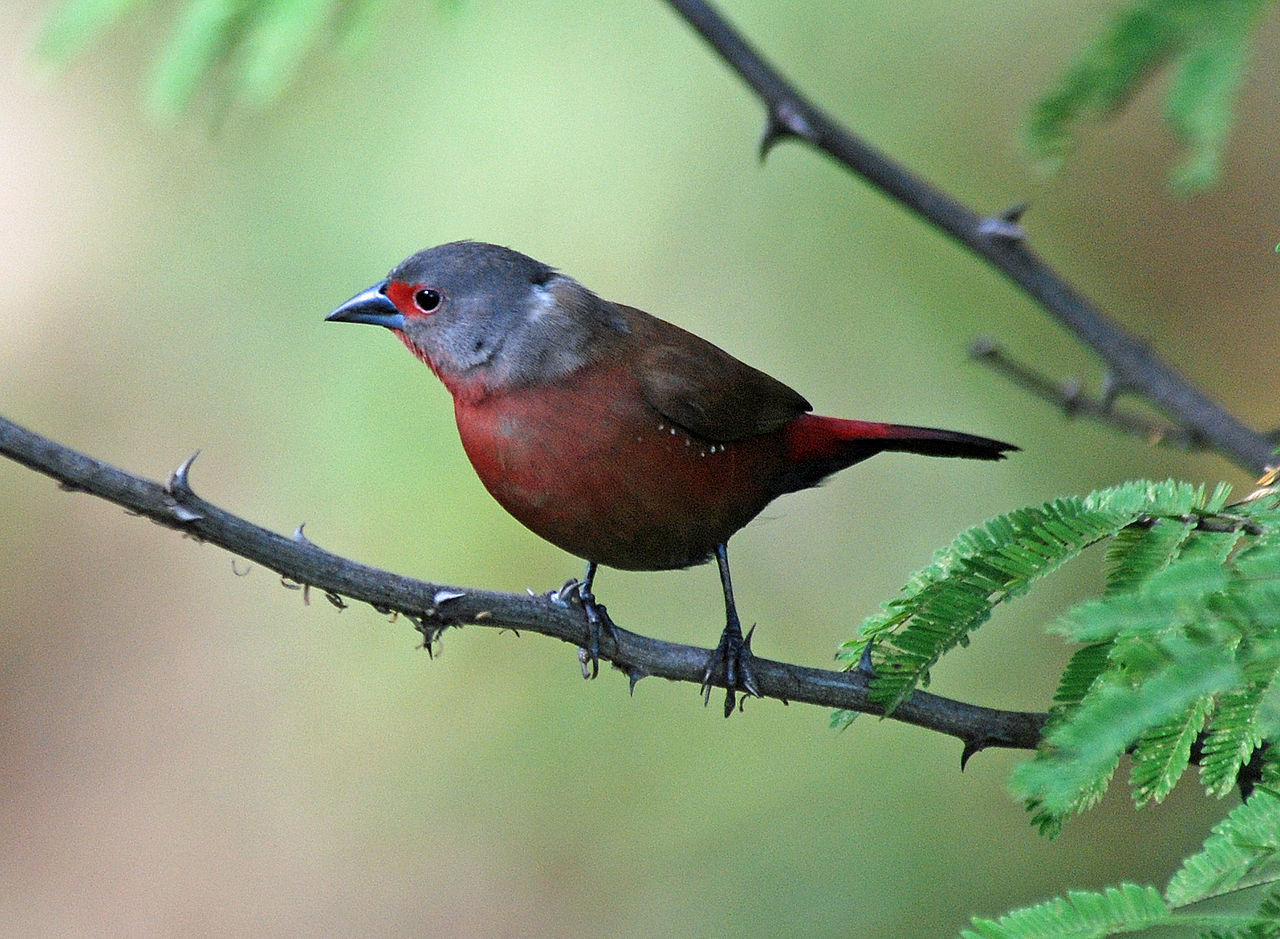
The Chaco owl is an owl found in Argentina, Bolivia, and Paraguay.
Region
Gran Chaco, South America
Typical Environment
Occurs across the dry and semi-arid woodlands and thorn scrub of the Gran Chaco in northern Argentina, western Paraguay, and southeastern Bolivia. It favors quebracho and algarrobo woodlands with a mosaic of clearings, edges, and riparian strips. The owl tolerates light to moderate habitat modification, using shelterbelts, ranchlands with remnant trees, and forest edges. It roosts in dense cover by day and hunts from low to mid-level perches at night. Breeding is associated with areas that provide suitable tree cavities.
Altitude Range
100–1000 m
Climate Zone
Subtropical
Ease of Keeping
Beginner friendly: 1/5
The Chaco owl is a medium-sized, earless owl of the dry Gran Chaco woodlands in Argentina, Bolivia, and Paraguay. It is often detected by its deep, rhythmic hoots at night and can be elusive by day, roosting in dense thorny cover. Habitat conversion in the Chaco is a concern, but the species persists in semi-open and lightly modified landscapes. As with many Strix owls, it nests in tree cavities and relies on mature trees for breeding sites.


Temperament
solitary and territorial
Flight Pattern
short rapid wingbeats with silent, brief glides
Social Behavior
Typically seen alone or in pairs, especially during the breeding season. It nests in natural tree cavities or old woodpecker holes, and is thought to be monogamous. Clutches are small, and both parents likely contribute to chick care and defense.
Migratory Pattern
Resident
Song Description
A sequence of deep, resonant hoots delivered in a measured rhythm, often given in duets by pairs at night. Calls carry far in open woodland and are most frequent at dusk and pre-dawn. Soft contact notes and harsher alarm calls are also used near the nest.
Plumage
Overall finely barred and mottled brown and grey with paler underparts showing narrow dark barring; soft, dense plumage typical of Strix owls.
Diet
Feeds primarily on small mammals such as rodents, supplemented by large insects like beetles and moths. It will also take small birds, reptiles, and amphibians when available. Prey is typically detected by sound and sight from a perch and captured in short, direct flights. Pellets often contain a mix of hair, bone, and insect exoskeletons.
Preferred Environment
Hunts along woodland edges, clearings, and thorn scrub where perches overlook open ground. Frequently forages near riparian corridors and lightly grazed ranchlands with scattered trees. Uses low to mid-level perches to scan for movement.