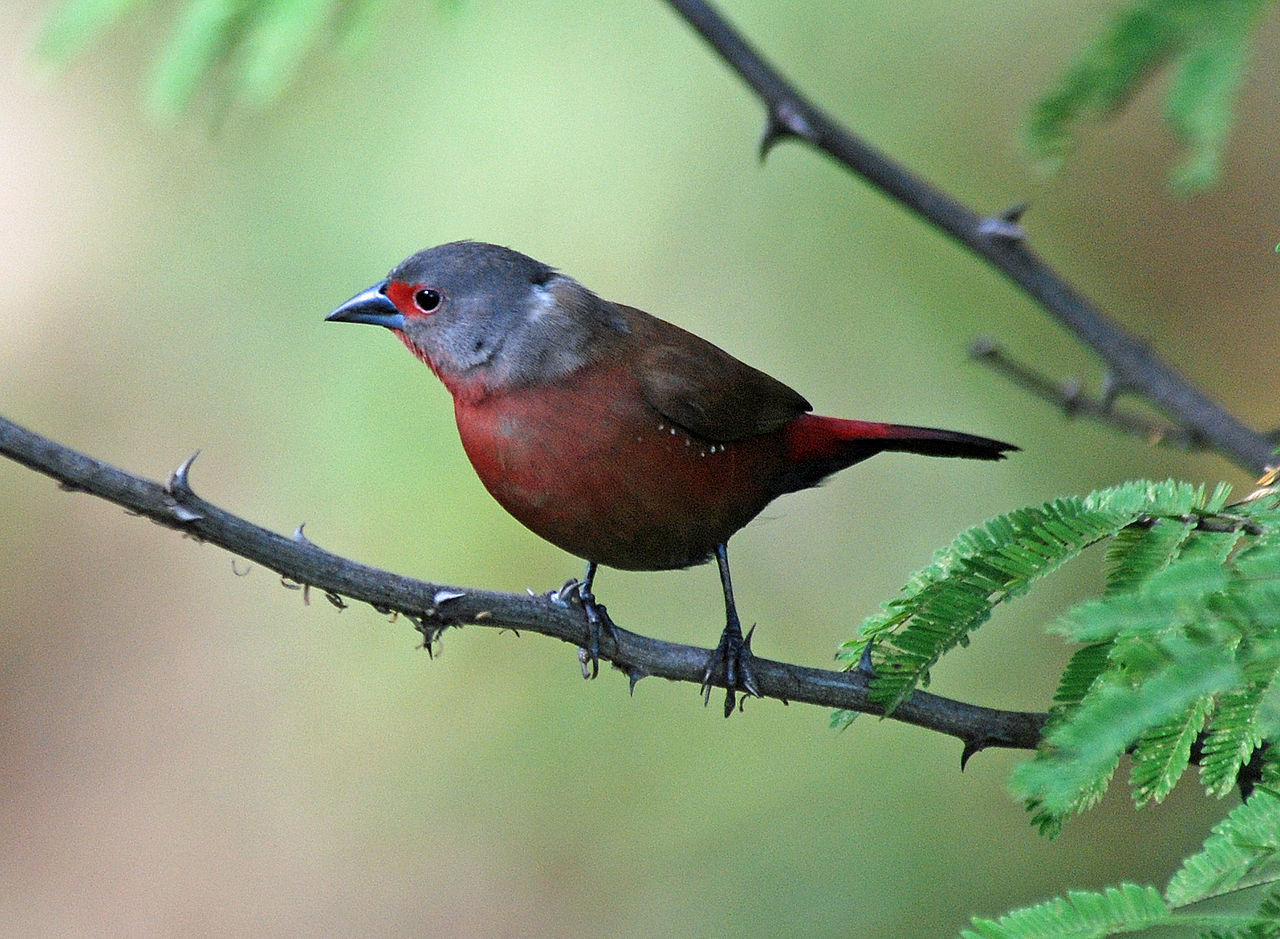
The Chaco sparrow, formerly known as the stripe-capped sparrow, is a species of bird in the family Passerellidae. It is found in Argentina and Paraguay.
Region
Gran Chaco of South America
Typical Environment
Occurs primarily in the dry Chaco of northern Argentina and western Paraguay, inhabiting thorn scrub, open dry woodland, and brushy edges. It favors areas with scattered shrubs, quebracho and mesquite, and patches of bare ground for foraging. Often found along rural roadsides, pastures, and the margins of agricultural fields. It is generally absent from dense forest and very open grasslands without cover.
Altitude Range
0–1200 m
Climate Zone
Subtropical
Ease of Keeping
Beginner friendly: 1/5
Formerly treated under the name Stripe-capped Sparrow, this species was split from the Yungas Sparrow based on differences in voice and range. It is a ground-oriented sparrow of the Gran Chaco, favoring thorny scrub and dry woodland. Its simple, whistled song carries well at dawn and dusk. Habitat loss from agricultural expansion is a localized concern, but it remains widespread in suitable areas.


Temperament
skulking and cautious
Flight Pattern
short rapid wingbeats, low to the ground
Social Behavior
Often seen singly, in pairs, or small family groups. Nests are cup-shaped and placed low in shrubs or dense grass. Pairs defend small territories during the breeding season and communicate with simple, carrying songs.
Migratory Pattern
Resident
Song Description
Song is a short series of clear, whistled notes followed by brief trills, repeated at intervals. Calls include a sharp chip and softer contact notes, especially when foraging in cover.
Plumage
Brown, lightly streaked upperparts with paler, mostly unmarked underparts and a grayish face. Crown shows distinct striping, and the face often contrasts with a pale supercilium. Wings show subtle rufous tones and faint wingbars.
Diet
Primarily seeds of grasses and forbs, supplemented by small insects and spiders, especially during the breeding season. Forages by hopping and scratching on or near the ground. Will take fallen seeds along tracks and the edges of fields. Occasional green plant material is consumed when seeds are scarce.
Preferred Environment
Feeds in sparse understory, open scrub, and along brushy margins where seed heads and invertebrates are accessible. Often uses shaded ground beneath shrubs for cover while foraging.