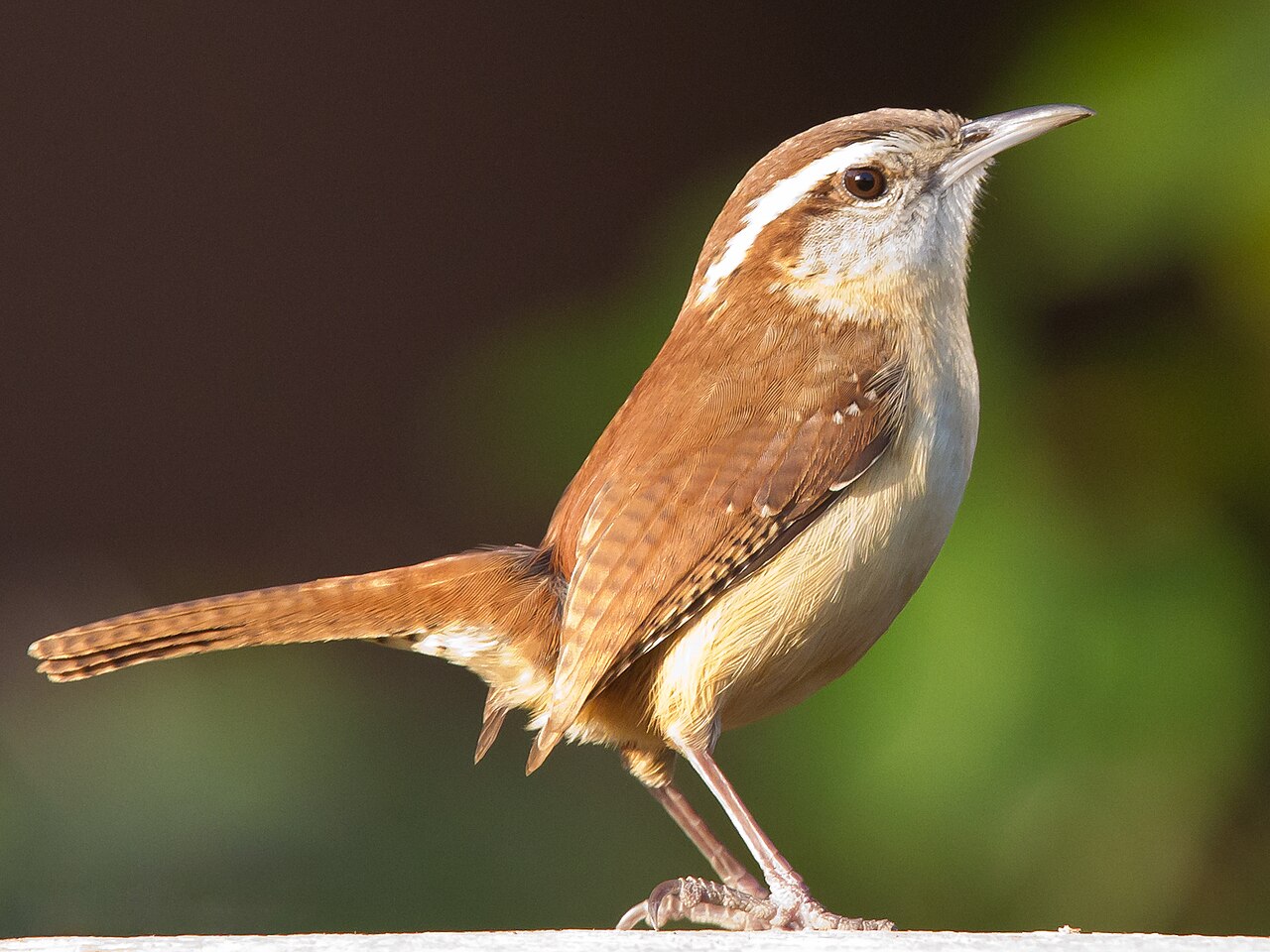
The Carolina chickadee is a small passerine bird in the tit family Paridae.
Region
Southeastern United States
Typical Environment
Found from the mid-Atlantic south through the Carolinas and Gulf states and west into parts of Texas and Oklahoma. Occupies deciduous and mixed woodlands, river bottoms, and pine-hardwood mosaics. Common in suburban neighborhoods, parks, and wooded yards where mature trees and nest cavities are available. It overlaps and sometimes hybridizes with the Black-capped Chickadee along a narrow band in the central Appalachians and Ohio Valley.
Altitude Range
Sea level to 1500 m
Climate Zone
Temperate
Ease of Keeping
Beginner friendly: 2/5
The Carolina chickadee is a small passerine in the tit family Paridae and is common in the southeastern United States. It hybridizes with the Black-capped Chickadee where their ranges meet, making identification tricky in overlap zones. It readily visits backyard feeders and caches seeds for later, remembering hundreds of hiding spots. Its four-note song differs subtly from the Black-capped’s and is a useful field clue.


A Carolina chickadee cavity nest site, previously made by a red-bellied woodpecker
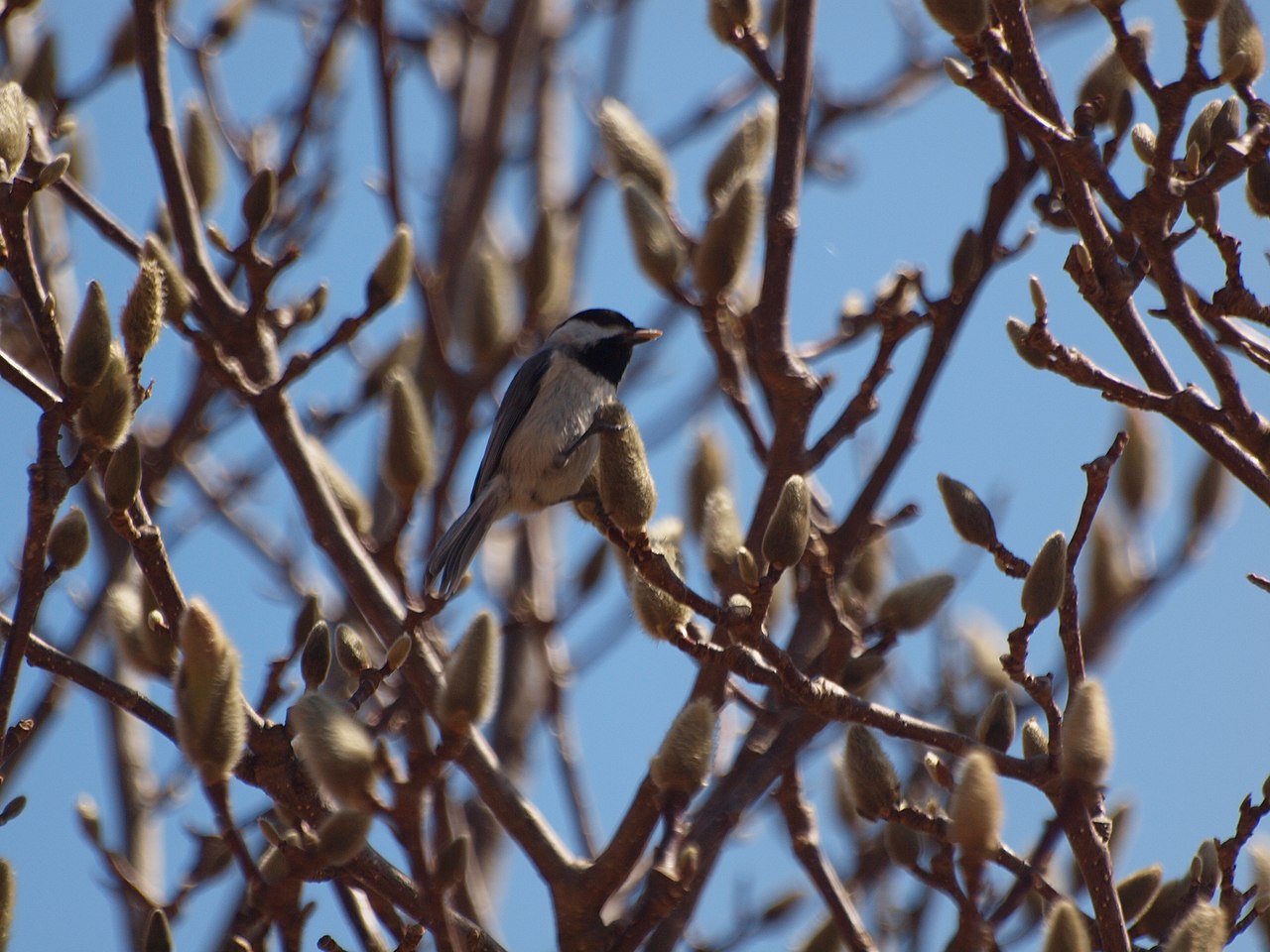
Carolina chickadee on a branch
Temperament
social and active
Flight Pattern
short rapid wingbeats
Social Behavior
Forms small family groups and mixed-species foraging flocks outside the breeding season. Pairs are typically monogamous and nest in cavities, including natural holes or nest boxes lined with moss and plant fibers. They defend territories during breeding but tolerate flockmates in winter.
Migratory Pattern
Resident
Song Description
Song is a clear, whistled four-note fee-bee fee-bay that is higher and faster than the Black-capped Chickadee’s typical song. Calls include the familiar chick-a-dee-dee-dee, with added 'dee' notes conveying higher urgency.
Plumage
Compact chickadee with smooth gray upperparts and pale underparts, often with warm buffy flanks. Clean white cheeks contrast with a black cap and black throat bib. Wings and tail are gray without bold white edging, giving a slightly plainer look than some relatives.
Diet
Eats insects and spiders in warm months, gleaning caterpillars, beetles, and eggs from foliage and bark. In fall and winter it adds seeds, nuts, and berries, frequently visiting feeders for sunflower seeds and suet. Stores food items in scattered caches and later retrieves them using spatial memory. Will hammer tough food against a perch to break it into manageable pieces.
Preferred Environment
Forages from understory to mid-canopy, often hanging upside down to probe twigs and leaf clusters. Uses tree trunks and branches for gleaning and frequently visits bird feeders in wooded residential areas. Prefers habitats with mature trees that provide cavities and ample cover.