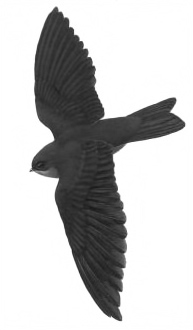
The Caroline reed warbler or Caroline Islands reed warbler is a species of Old World warbler in the family Acrocephalidae. It is found only on the Caroline Islands in Micronesia.
Region
Micronesia, Western Pacific
Typical Environment
Endemic to the Caroline Islands, it inhabits dense reeds, sedges, and low scrub near wetlands, forest edges, and coastal thickets. It also uses secondary growth, pandanus swamps, and vegetated stream margins. The species is typically patchy but can be locally common where cover is abundant. It tolerates some disturbance and can occur near villages where suitable vegetation remains.
Altitude Range
Sea level to 600 m
Climate Zone
Tropical
Ease of Keeping
Beginner friendly: 1/5
The Caroline reed warbler is confined to Micronesia’s Caroline Islands, where it favors dense reedbeds, thickets, and edge habitats. It often adapts to human-modified areas like taro patches and secondary scrub. Island populations can show subtle differences in size and tone. Predation by invasive rats and habitat alteration are ongoing local concerns.


Temperament
secretive but vocal
Flight Pattern
short rapid wingbeats, low over vegetation
Social Behavior
Usually seen singly or in pairs, especially during the breeding season. It nests low in reeds or dense shrubs, weaving a cup nest suspended among stems. Pairs are territorial and defend small patches of dense cover. Outside breeding, it may range more widely through contiguous thickets.
Migratory Pattern
Resident
Song Description
A lively, chattering warble with repeated squeaks, rattles, and scratchy phrases delivered from concealed perches. Calls include sharp tiks and harsh churrs when alarmed.
Plumage
Warm brown upperparts with paler, buffy underparts and a slightly paler throat; feathers plain without heavy streaking. Subtle contrast between mantle and rump, with a lightly graduated tail.
Diet
Primarily takes insects such as beetles, flies, caterpillars, and spiders gleaned from leaves and stems. It probes into reed bases and picks prey from exposed surfaces. Occasional small snails or other invertebrates may be taken, and it may sip nectar or take soft fruits opportunistically.
Preferred Environment
Feeds within dense reeds, sedges, and tangles of vines and shrubs near water. It also forages along edges of taro fields, coconut groves, and secondary thickets where insects are abundant.