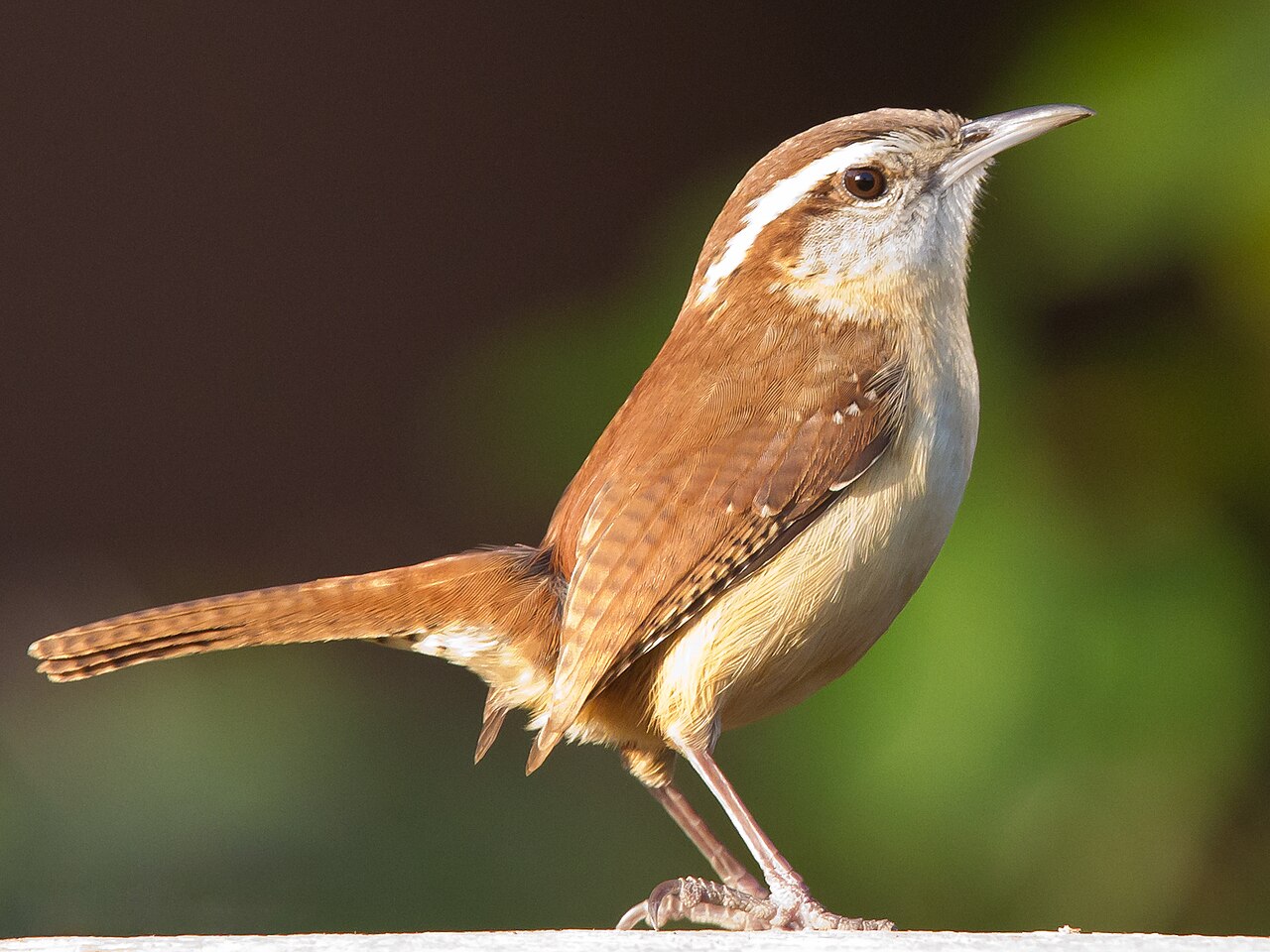
The Carmelite sunbird is a species of bird in the family Nectariniidae. It is found in Liberia as well as the lower Congo River and coastal areas of western and central Africa down to central Angola.
Region
West and Central African coast
Typical Environment
Occurs from Liberia and along the coastal belt of western and central Africa, through the Lower Guinea region to the lower Congo River basin and south to central Angola. It favors lowland forest edges, secondary growth, mangroves, and coastal thickets, and readily visits gardens and plantations with flowering trees. The species is typically associated with areas offering abundant nectar sources. It may be locally common where suitable blossoms are available.
Altitude Range
0–1500 m
Climate Zone
Tropical
Ease of Keeping
Beginner friendly: 1/5
The Carmelite sunbird is a small, nectar-feeding bird of West and Central Africa’s lowland forests and coastal scrub. Males are striking with a dark, sooty body and rich chestnut hood, while females are more subdued and olive-brown. It is an important pollinator of many flowering shrubs and trees and will also take small insects for protein. Unlike hummingbirds, it usually perches to feed, only briefly hovering when needed.

Temperament
active and territorial
Flight Pattern
short rapid wingbeats with quick, direct dashes between perches
Social Behavior
Usually seen singly or in pairs, with males defending rich nectar sources from rivals. Nests are neat, hanging purse-like structures made of plant fibers and spider webs, suspended from branches. The female undertakes most nest construction and incubation, with the male guarding nearby.
Migratory Pattern
Resident
Song Description
Song is a series of high, thin twitters and rapid jingling phrases delivered from exposed perches. Calls include sharp metallic tinks and soft tsip notes during foraging. Vocalizations can intensify during breeding and territorial displays.
Plumage
Male is sooty-black with a rich chestnut hood and mantle; iridescence can appear in good light. Female is olive-brown above with paler grey-buff underparts and faint streaking or mottling. Both sexes have a long, decurved bill suited to probing flowers.
Diet
Primarily nectar from tubular and brushy flowers, including forest edge shrubs, mangroves, and ornamentals. It supplements with small insects and spiders, especially during breeding for added protein. Foraging is mostly by perching to probe flowers, with occasional brief hovering. It may also glean insects from foliage and sally short distances to catch aerial prey.
Preferred Environment
Feeds along forest edges, coastal thickets, mangroves, gardens, and plantations where flowering trees are abundant. Often follows seasonal blooming, concentrating at reliable nectar sources and occasionally joining mixed-species flocks around flowering canopies.