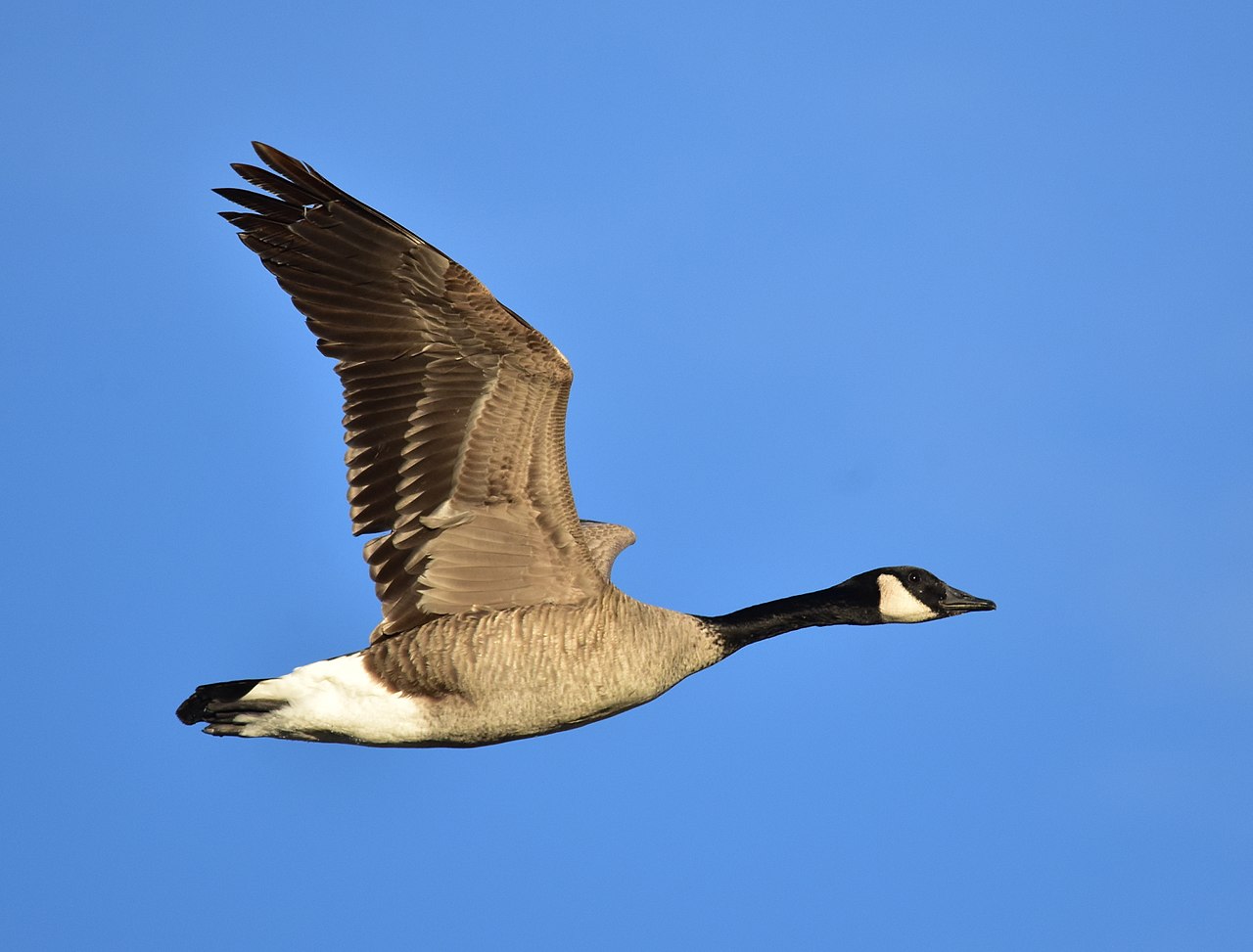
The Campina thrush is a thrush in the genus Turdus native to the Amazon biome. It was previously considered conspecific with the black-billed thrush.
Region
Amazon Basin
Typical Environment
Occurs primarily in white-sand shrublands and low-stature woodlands (campina/campinarana) within the central and northern Amazon. It favors open, sandy substrates with a sparse understory and scattered small trees, including edges of these habitats and nearby secondary growth. It may also use adjacent forest margins and clearings but is strongly associated with white-sand vegetation. Within its range, it is patchy, tracking suitable campina tracts across the landscape.
Altitude Range
0–700 m
Climate Zone
Tropical
Ease of Keeping
Beginner friendly: 1/5
The Campina thrush inhabits Amazonian white-sand ecosystems known as campina and campinarana, which host many habitat-specialist birds. It was split from the black-billed thrush based on vocal, ecological, and subtle morphological differences. Its song is a rich series of clear, whistled phrases that often carries across open, scrubby woodland. Because its preferred habitat is patchy and naturally fragmented, local populations can be unevenly distributed.


Temperament
alert but relatively confiding
Flight Pattern
short rapid wingbeats
Social Behavior
Typically solitary or in pairs, maintaining territories in suitable campina patches. Nests are cup-shaped and placed low in shrubs or small trees. During breeding, pairs are territorial; outside of breeding, individuals may tolerate loose proximity in productive fruiting areas.
Migratory Pattern
Resident
Song Description
Delivers a series of clear, mellow whistles with rich, fluty phrases and brief pauses. Calls include soft chuck and seep notes, often given from exposed perches at dawn and dusk.
Plumage
Plain-breasted thrush with brown to olive-brown upperparts, a slightly grayer head and breast, and paler, buffy-gray underparts. The throat is lightly streaked and the belly often looks cleaner and paler. Feathers appear smooth and unspotted, giving a neat, uniform look. A subtle pale eye ring and slightly warmer brown tail can be noticeable at close range.
Diet
Eats a mix of small fruits and invertebrates such as beetles, ants, and caterpillars. Forages by hopping on sandy ground and gleaning from low branches and leaf litter. Will visit fruiting shrubs and small trees, especially melastomes and other campina plants. Occasionally takes small prey flushed from low vegetation.
Preferred Environment
Feeds in open white-sand shrublands, low campinarana woodland, forest edges, and nearby second growth. Often uses sunny openings and paths where leaf litter and sandy substrate are exposed.