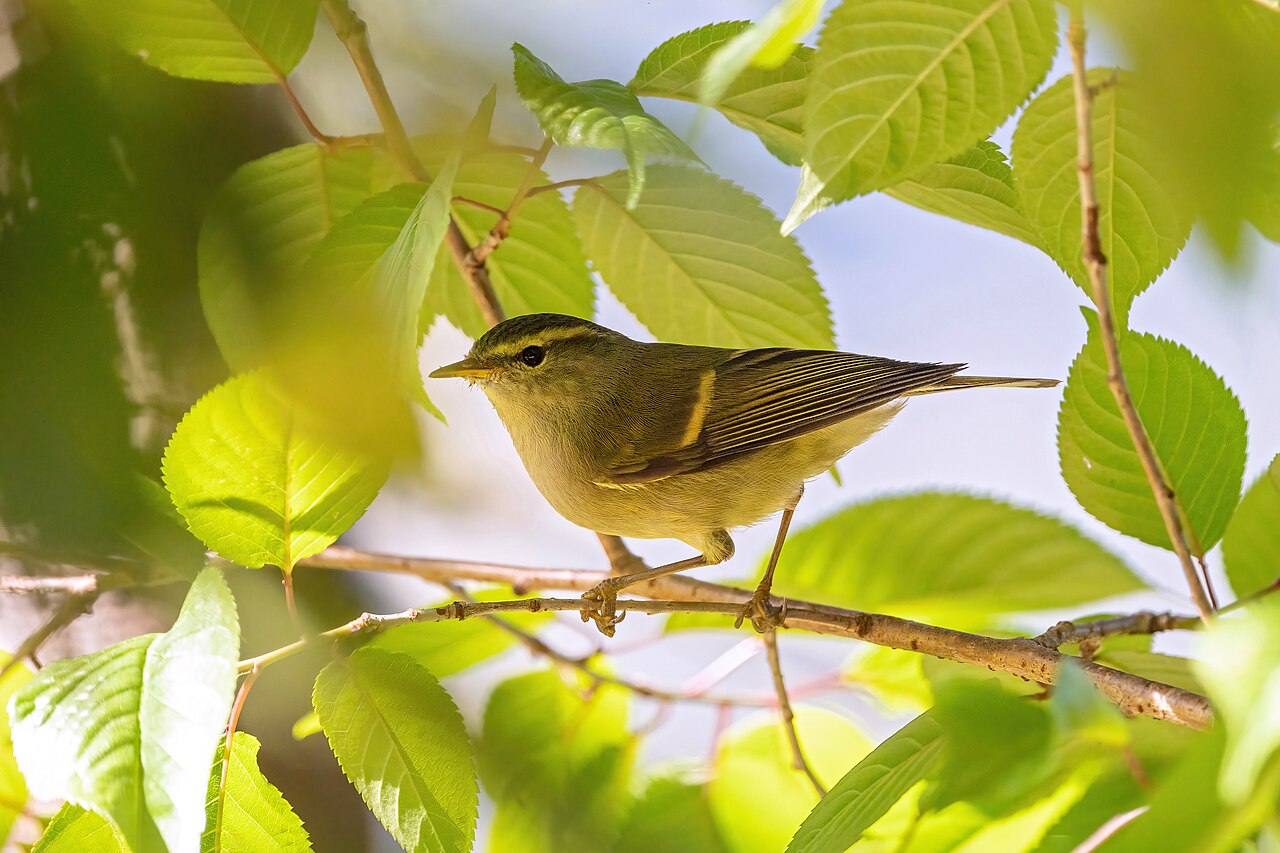
Buckley's forest falcon, also called lesser collared forest-falcon and Traylor's forest-falcon, is a species of bird of prey in subfamily Herpetotherinae of family Falconidae, the falcons and caracaras. It is found in Bolivia, Brazil, Ecuador, Peru, and possibly Colombia and Venezuela.
Region
Western Amazon Basin
Typical Environment
Occurs in lowland tropical rainforest of Ecuador, Peru, northern Bolivia, and western Brazil, with possible occurrence in adjacent Colombia and Venezuela. It favors extensive primary terra firme forest with a dense understory and tall canopy. The species also uses mature secondary forest, riverine and várzea edges, and forest borders near clearings. It typically keeps to shaded interior habitats, perching quietly and making short, rapid forays after prey.
Altitude Range
0–900 m
Climate Zone
Tropical
Ease of Keeping
Beginner friendly: 1/5
Buckley’s forest falcon is a secretive raptor of the western Amazon that is most often detected by its distinctive, piping series of calls at dawn and dusk. It closely resembles other forest-falcons and was long overlooked, leading to confusion with similar species. It hunts by ambush from shaded perches in dense forest and will occasionally attend army-ant swarms to snatch fleeing prey.
Temperament
solitary and territorial
Flight Pattern
short rapid wingbeats with low, agile dashes through forest; brief glides
Social Behavior
Generally solitary outside the breeding season and highly secretive within dense forest. Pairs are presumed monogamous, nesting in large tree cavities or old raptor nests. They hunt from low to mid-level perches, launching quick ambushes along forest trails and gaps.
Migratory Pattern
Resident
Song Description
A clear, evenly spaced series of high, piping whistles that accelerate slightly, often delivered at dawn and dusk. Calls can carry far through dense forest and may include duets between pair members.
Plumage
Upperparts dark slate-brown with a narrow whitish nuchal collar; face duskier with a pale throat. Underparts pale buff to off-white with fine dusky barring that is most evident on the breast and flanks. Long tail shows several narrow white bands and a broader pale tip.
Diet
Takes small birds, lizards, frogs, and small mammals, as well as large insects and other invertebrates. It often hunts by waiting silently on a perch before striking quickly at passing prey. It may raid nests and occasionally follows army-ant swarms to capture flushed prey.
Preferred Environment
Feeds within the shaded understory and subcanopy of mature rainforest, especially along trails, streams, and light gaps. Also forages along forest edges and in tall secondary growth where prey activity is concentrated.