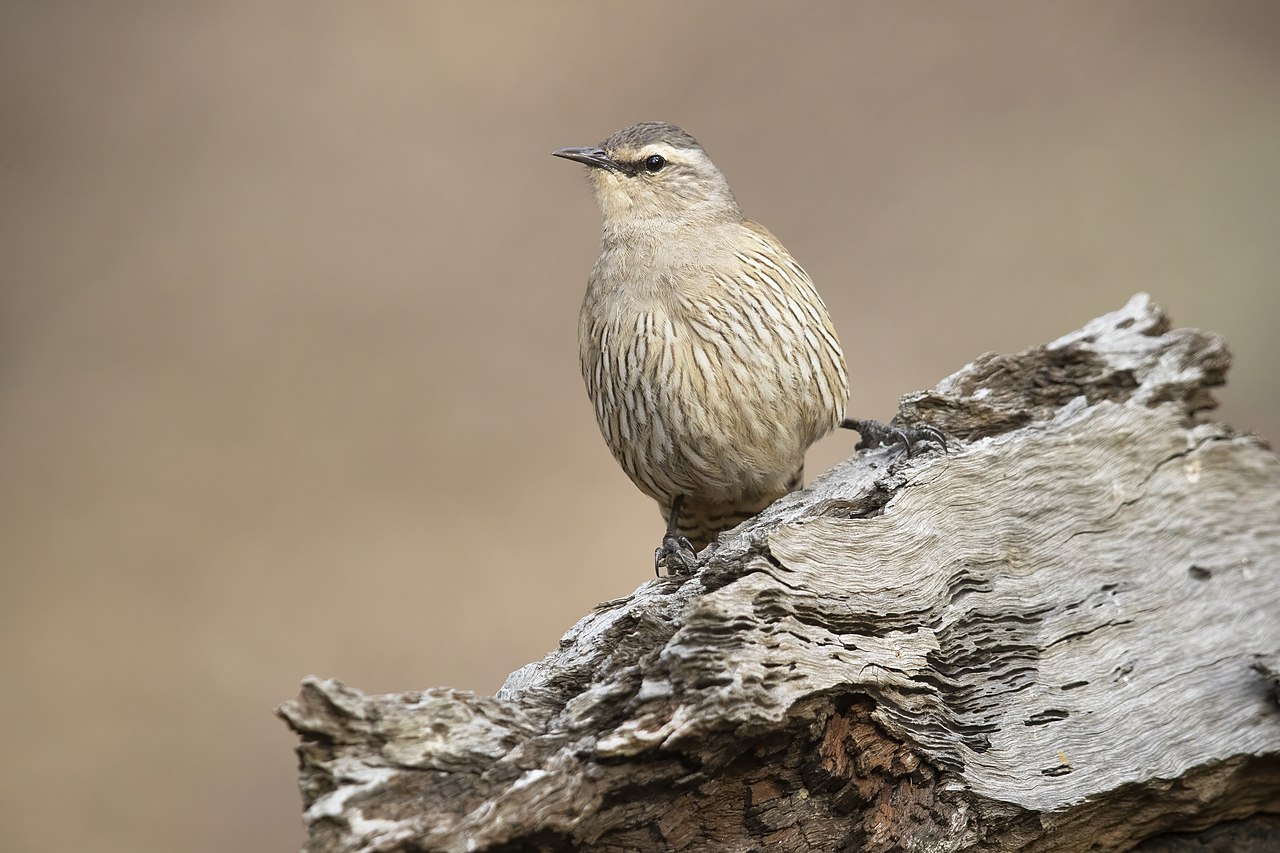
The brown thrasher, sometimes erroneously called the brown thrush or fox-coloured thrush, is a bird in the family Mimidae, which also includes the New World catbirds and mockingbirds. The brown thrasher is abundant throughout the eastern and central United States and southern and central Canada, and it is the only thrasher to live primarily east of the Rockies and central Texas. It is the state bird of Georgia.
Region
Eastern and Central North America
Typical Environment
Breeds widely from the Great Plains eastward through the eastern United States and into southern and central Canada. Favors brushy thickets, woodland edges, hedgerows, shelterbelts, and overgrown fields, including suburban areas with dense shrubs. Northern populations migrate to the southeastern U.S. and Gulf Coast for winter, while many southern birds are resident year-round. Occurs particularly where dense ground cover provides foraging and nesting sites.
Altitude Range
Sea level to 1800 m
Climate Zone
Temperate
Ease of Keeping
Beginner friendly: 1/5
The brown thrasher has one of the largest song repertoires of any North American bird, capable of delivering thousands of varied phrases and mimicking other species. It is the state bird of Georgia and is known for fiercely defending its nest. Using its long, slightly curved bill, it “thrashes” through leaf litter to find food.


Adult with juvenile (r) in Virginia, U.S.

In Texas, U.S.

John James Audubon's picture depicting ferruginous thrush

Nest and eggs

Singing, Illinois

Temperament
solitary and territorial
Flight Pattern
short rapid wingbeats with low, direct flights between cover
Social Behavior
Typically seen alone or in pairs, maintaining territories in dense shrublands. Pairs are generally monogamous during the breeding season and nest low in shrubs or small trees. Both parents incubate and feed the young, and they aggressively defend nests from intruders.
Migratory Pattern
Partial migrant
Song Description
A rich, varied series of phrases often delivered in pairs, switching rapidly between motifs. It frequently mimics other birds, and the song is loud, musical, and complex. Calls include sharp tchuck notes and harsh scolds when alarmed.
Plumage
Rufous-brown upperparts with a long, rounded tail and white underparts heavily streaked with dark brown. Two bold whitish wing bars are visible on each wing. Feathers appear sleek with a slight gloss above and clean, finely edged streaking below.
Diet
Eats insects such as beetles, caterpillars, grasshoppers, and ants, along with spiders, snails, and occasionally small vertebrates. In season it takes fruits and berries like dogwood, sumac, and elderberry, as well as seeds and acorns. It forages primarily on the ground, using its bill to sweep and toss leaf litter to uncover prey.
Preferred Environment
Feeds along hedgerows, brush piles, woodland edges, and dense thickets with deep leaf litter. Also visits suburban yards with shrub cover and sometimes takes suet or seed from feeders near cover.