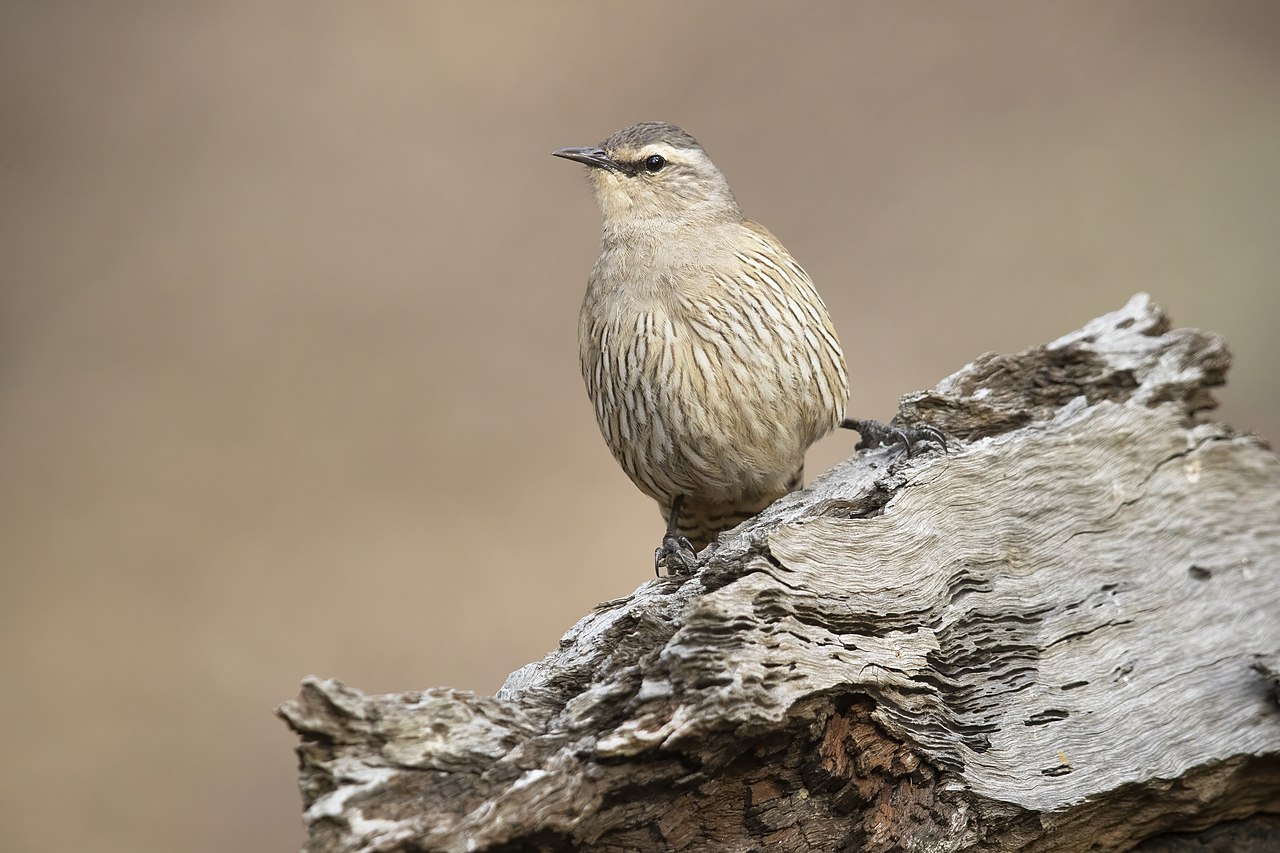
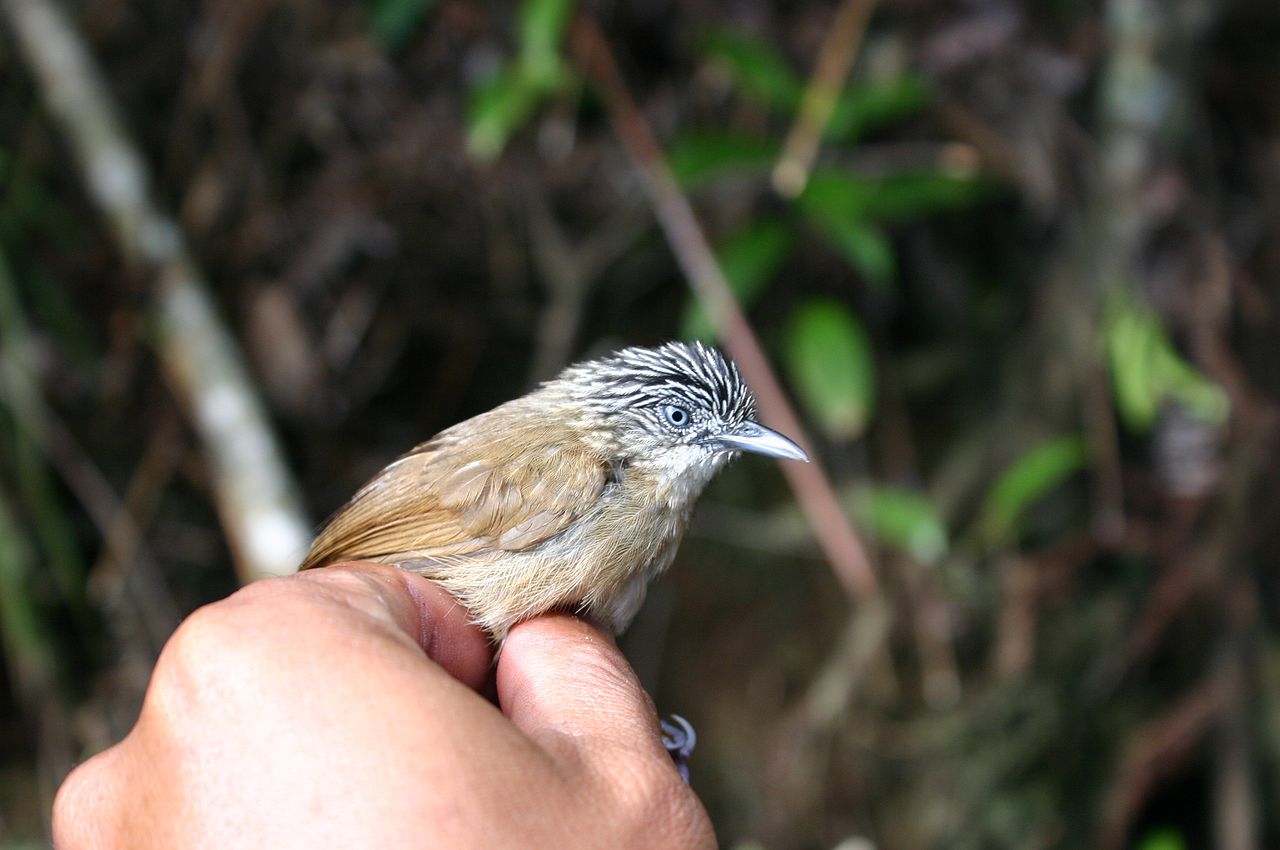
The brown tit-babbler is a species of bird in the family Timaliidae. It is endemic to the Philippines. Its natural habitats are tropical moist lowland forest and or tropical moist montane forest.
Region
Philippine Archipelago
Typical Environment
Found in tropical moist lowland and foothill forests across parts of the Philippines, including both primary and well-developed secondary growth. It favors dense understory, vine tangles, and bamboo patches, and also occurs along forest edges and riparian thickets. The species keeps to shaded, humid microhabitats where leaf-litter and low shrubs provide cover. It is typically encountered in small parties that move methodically through the lower strata of the forest.
Altitude Range
0–1500 m
Climate Zone
Tropical
Ease of Keeping
Beginner friendly: 1/5
A secretive understory babbler, the brown tit-babbler often moves in pairs or small family groups and frequently joins mixed-species flocks. It forages close to the ground, gleaning insects from leaves and twigs and occasionally probing bamboo thickets. Nests are usually well-hidden cups placed low in dense vegetation. Its soft chattering calls can reveal its presence long before it is seen.


A 1979 Philippine stamp featuring the ssp. kettleweli
Temperament
secretive and active
Flight Pattern
short rapid wingbeats
Social Behavior
Usually found in pairs or small family groups, and often joins mixed-species flocks moving through the understory. Nests are dome- or cup-like and placed low in dense shrubs or bamboo. Both parents participate in caring for the young. Territorial calling and soft contact notes help keep groups together in dense cover.
Migratory Pattern
Resident
Song Description
A series of soft, chattering notes and thin trills delivered from low perches, often interspersed with scolding calls. The song is repetitive but subdued, carrying only a short distance through dense vegetation.
Plumage
Plain warm-brown upperparts with paler, buffy underparts and a slightly warmer rufous wash on the wings and flanks; plumage appears soft and unpatterned at a distance.
Diet
Primarily small insects and other arthropods such as ants, beetles, caterpillars, and spiders. It gleans prey from leaves, twigs, and dead foliage, and may probe into curled leaves or bamboo nodes. Occasional small berries or seeds may be taken opportunistically.
Preferred Environment
Feeds in dense understory, vine tangles, and bamboo thickets where cover is abundant. Often forages near the ground to mid-levels along forest edges and shaded stream corridors.