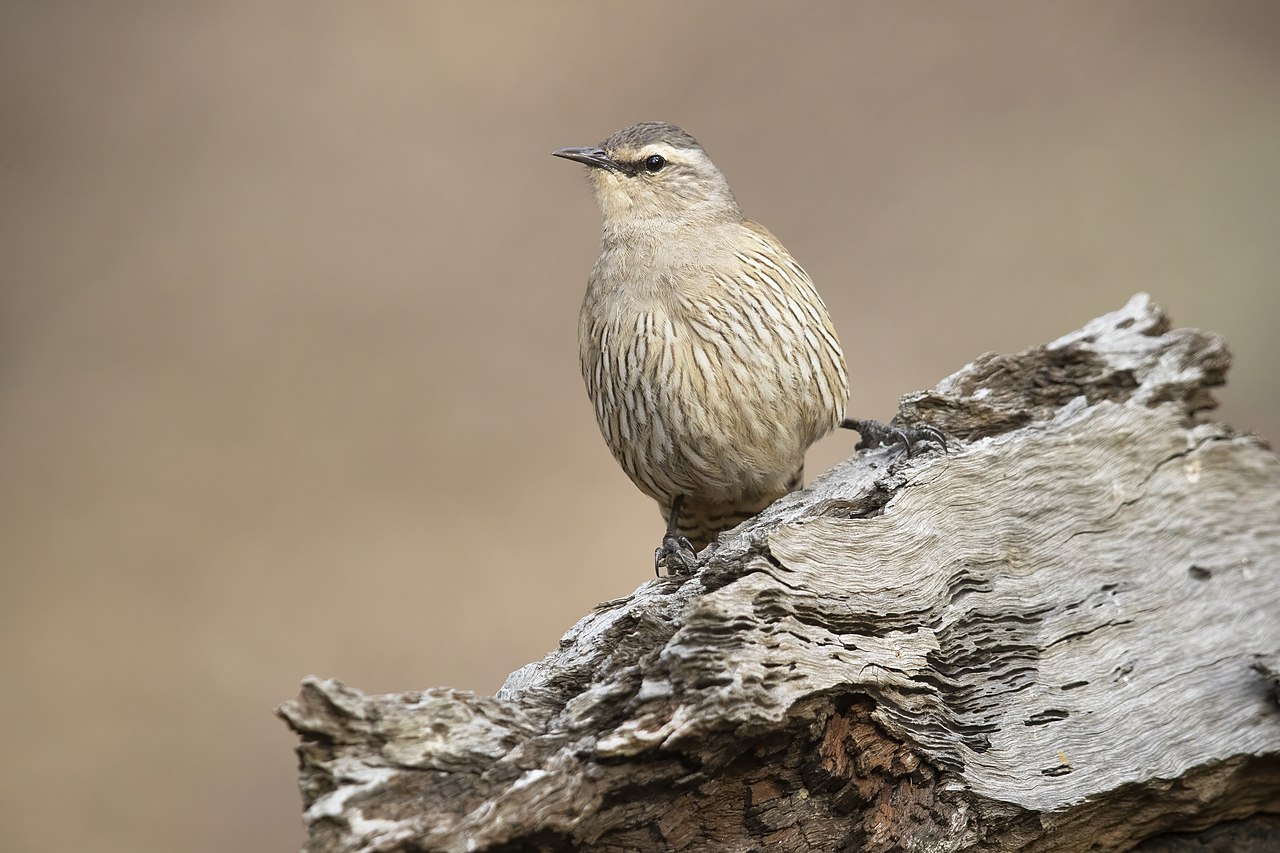
The brown tinamou is a brownish ground bird found in humid lowland and montane forest in tropical and subtropical South America.
Region
South America
Typical Environment
Occurs in humid lowland and montane forests, especially within and around the Atlantic Forest, with a preference for dense understory and tangles. It uses primary forest but also persists in secondary growth, forest edges, and selectively logged tracts if cover remains. The species keeps to the forest floor, rarely crossing open areas, and follows fruiting trees where fallen fruit accumulates. It shelters in thick leaf litter, bamboo patches, and viney gullies, retreating to denser cover when disturbed.
Altitude Range
0–2000 m
Climate Zone
Tropical
Ease of Keeping
Beginner friendly: 2/5
Tinamous are among the most ancient lineages of living birds, related to ratites, yet capable of short, explosive flight. In brown tinamous, males incubate the eggs—often from multiple females—and solely care for the chicks. They are notoriously elusive, more often heard as a haunting, low whistle than seen. Their secretive habits help them persist in disturbed forests, though they still decline where habitat loss is severe.


Subspecies C. o. castaneus, illustration by Keulemans, 1895
Temperament
shy and secretive
Flight Pattern
short rapid wingbeats with explosive takeoff; usually runs rather than flies
Social Behavior
Usually solitary or in pairs, keeping close to dense cover. Nests are shallow scrapes on the ground hidden in vegetation. Males incubate clutches (often from multiple females) and lead the downy chicks soon after hatching. Home ranges are maintained quietly with minimal overt aggression.
Migratory Pattern
Resident
Song Description
A mellow, penetrating series of low, plaintive whistles, often delivered in spaced notes at dawn and dusk. The song carries far through forest and is the primary means of detection. Calls include soft contact notes and brief alarm whistles when flushed.
Plumage
Overall plain to finely vermiculated brown with subtle barring on the back and flanks; underparts duskier with a greyer wash on the throat and breast.
Diet
Feeds on fallen fruits, berries, and seeds gleaned from the forest floor. Supplements plant matter with insects, spiders, and other small invertebrates. Will take tender shoots and buds when fruit is scarce. Forages methodically, pausing to probe leaf litter and pick up items by sight and sound.
Preferred Environment
Dense understory of humid forest, especially along trails, stream edges, bamboo thickets, and fruiting-tree fall zones. Avoids open ground, using cover to move between feeding spots.