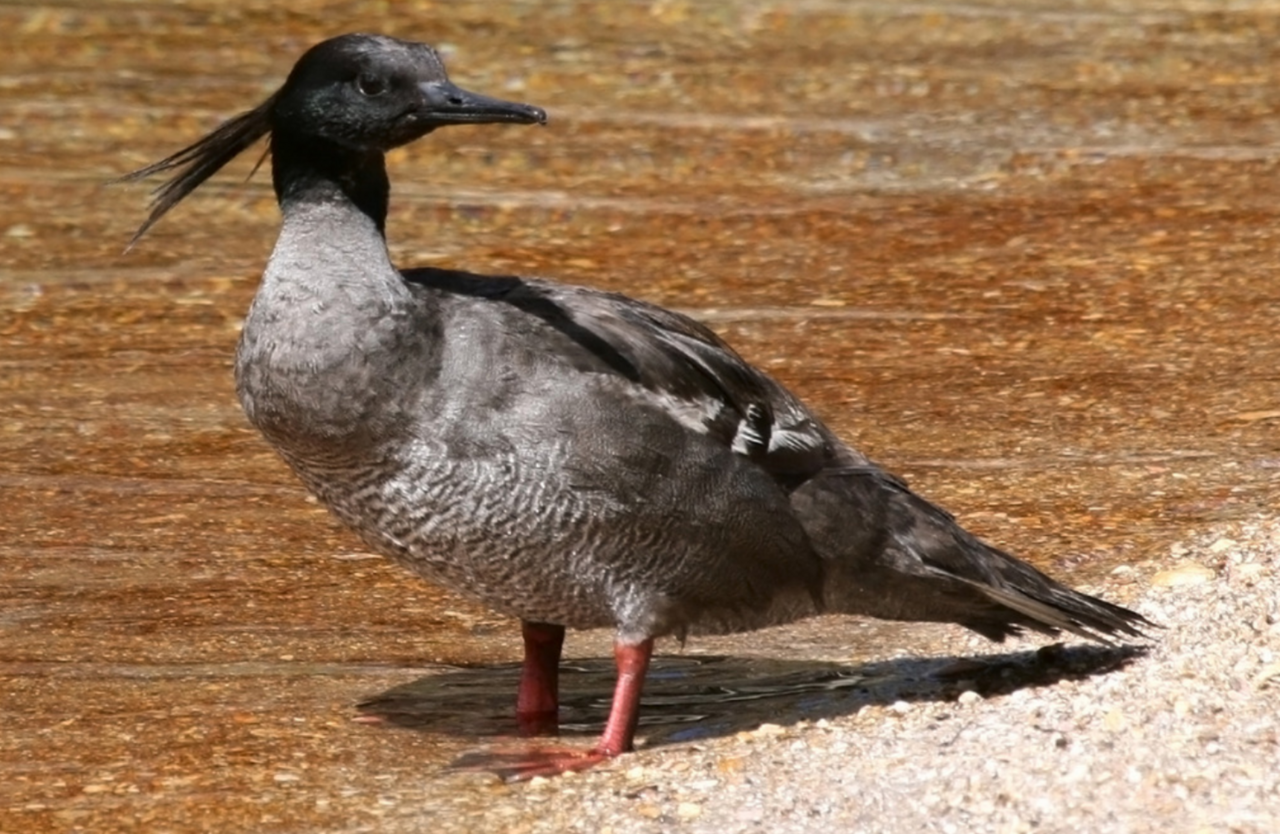
The Brazilian laniisoma is a species of bird in the family Tityridae, the tityras, becards, and allies. It is endemic to Brazil.
Region
Atlantic Forest of eastern Brazil
Typical Environment
Occurs in humid evergreen and semideciduous forests of the Atlantic Forest, from lowlands to foothill and montane slopes. It favors mature forest interiors and tall secondary growth but may also use forest edges and shaded agroforestry (such as cabruca cacao). Most frequently encountered in the mid- to upper canopy where it forages discreetly. Localized along the Serra do Mar and adjacent ranges, with a patchy presence where continuous forest persists.
Altitude Range
Sea level to 1500 m
Climate Zone
Subtropical
Ease of Keeping
Beginner friendly: 1/5
Despite the common name hinting at shrikes, the Brazilian laniisoma belongs to the Tityridae and is not closely related to true shrikes. It is a secretive midstory bird of Brazil’s Atlantic Forest and was formerly lumped with the Andean laniisoma before being recognized as a separate species. It often joins mixed-species flocks and is detected more by its mellow, mournful whistles than by sight.


Temperament
secretive and unobtrusive
Flight Pattern
short rapid wingbeats with brief glides between mid-canopy perches
Social Behavior
Usually solitary or in pairs within the breeding season. Frequently accompanies mixed-species flocks moving through the midstory. Nests are placed well above ground in dense foliage; both parents likely contribute to care. Territorial singing perches are used, but the bird often remains concealed.
Migratory Pattern
Resident
Song Description
A soft, mellow, mournful series of whistles delivered from concealed perches. Phrases are spaced and slightly descending, carrying well in still forest. Calls include quiet contact notes used while foraging with flocks.
Plumage
Subtle, clean plumage with smooth, unbarred surfaces; olive-green upperparts contrast with paler underparts and a slightly grayer head and nape.
Diet
Takes a mixed diet of small fruits and a variety of arthropods such as beetles, caterpillars, and spiders. Forages methodically, gleaning from leaves and twigs and occasionally sallying to snatch prey. Fruits from canopy trees and shrubs are swallowed whole, aiding seed dispersal. Insects are crushed with the slightly hooked bill.
Preferred Environment
Feeds mainly in the mid- to upper canopy of humid primary forest and mature secondary growth. Also uses forest edges with tall trees and shaded plantations contiguous with native forest.