

The Brazilian teal or Brazilian duck is the only extant species of duck in the genus Amazonetta. It is widely distributed in eastern South America.
Region
Eastern and Central South America
Typical Environment
Found across much of Brazil, reaching into Bolivia, Paraguay, Uruguay, and northern Argentina, favoring lowland freshwater habitats. It occupies marshes, ponds, oxbow lakes, slow-flowing rivers, rice fields, and floodplains with abundant emergent vegetation. The species is especially common in the Pantanal and Cerrado wetlands but also occurs along forested river edges. It generally avoids fast rivers and very open deep water, preferring shallow, vegetated margins. Local movements follow rainfall and changing water levels.
Altitude Range
0–1500 m
Climate Zone
Tropical
Ease of Keeping
Beginner friendly: 3/5
The Brazilian teal is the only living member of the genus Amazonetta and is widely distributed across eastern and central South America. It typically occurs in pairs rather than large flocks and forms strong, long-term pair bonds. Males show brighter soft-part colors than females, especially a reddish bill and legs. It adapts well to seasonal wetlands, shifting locally with water levels.


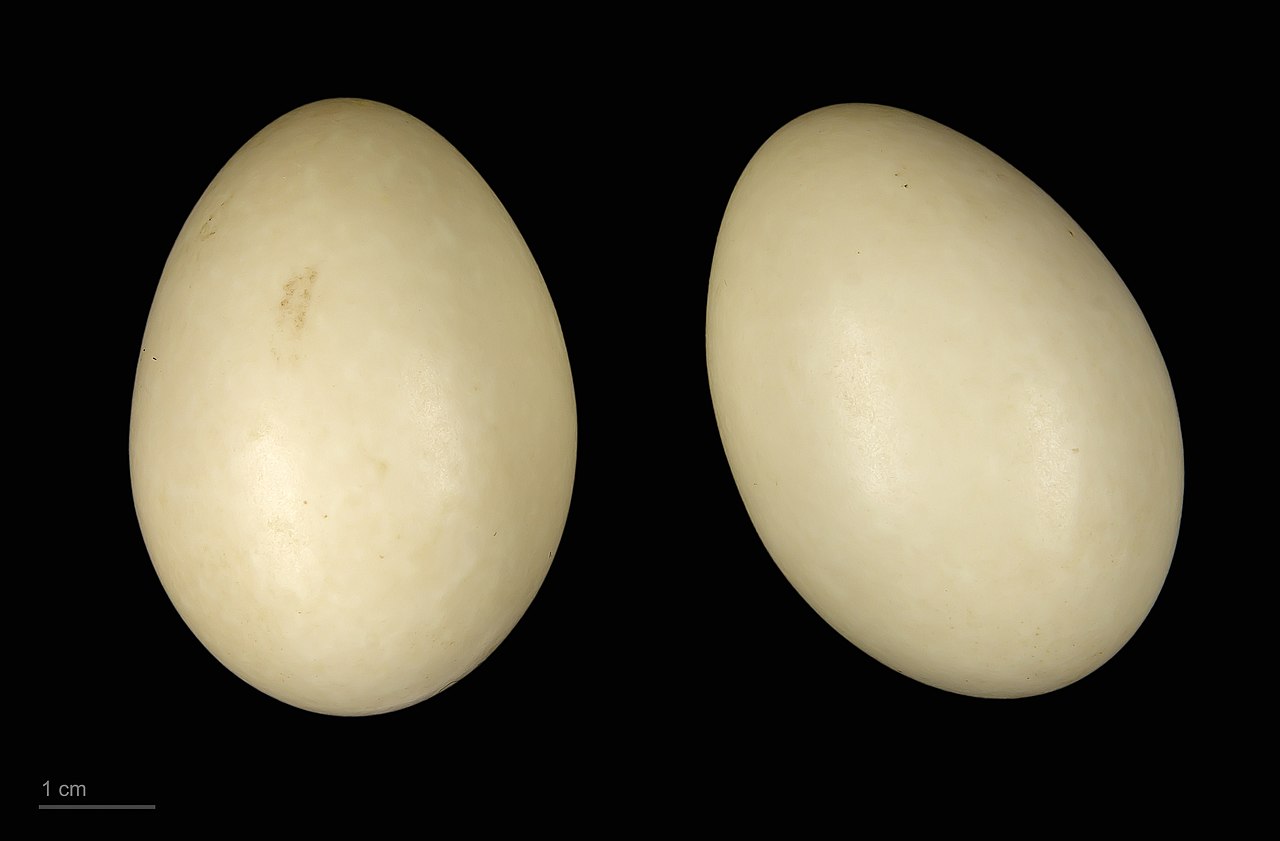
Amazonetta brasiliensis - MHNT


Temperament
pair-oriented and wary
Flight Pattern
short rapid wingbeats with low, direct flight
Social Behavior
Usually seen in pairs or small family groups and less gregarious than many dabbling ducks. Pairs defend small territories during breeding, nesting on the ground in dense vegetation near water. Clutches are medium-sized, and the male often guards while the female incubates.
Migratory Pattern
Partial migrant
Song Description
Vocalizations are soft and often given at dawn and dusk. Males produce thin, high-pitched whistles, while females give harsher, nasal quacks and chatters.
Plumage
Warm brown upperparts with fine mottling and pale buff underparts with darker flank spotting; iridescent green speculum on the wing. Males have a greyer head and cleaner buff neck, females are browner with subtler facial patterning. Overall impression is of a small, lightly built dabbling duck.
Diet
Feeds by dabbling and upending in shallow water, taking seeds of aquatic plants, grasses, and sedges. Also consumes aquatic insects, larvae, small snails, and other invertebrates, making it broadly omnivorous. Will graze along muddy margins and pick food from the water surface or just below it.
Preferred Environment
Shallow freshwater marshes, vegetated lake edges, and slow backwaters with floating and emergent plants. Often forages along flooded savannas and rice fields where cover is available.


