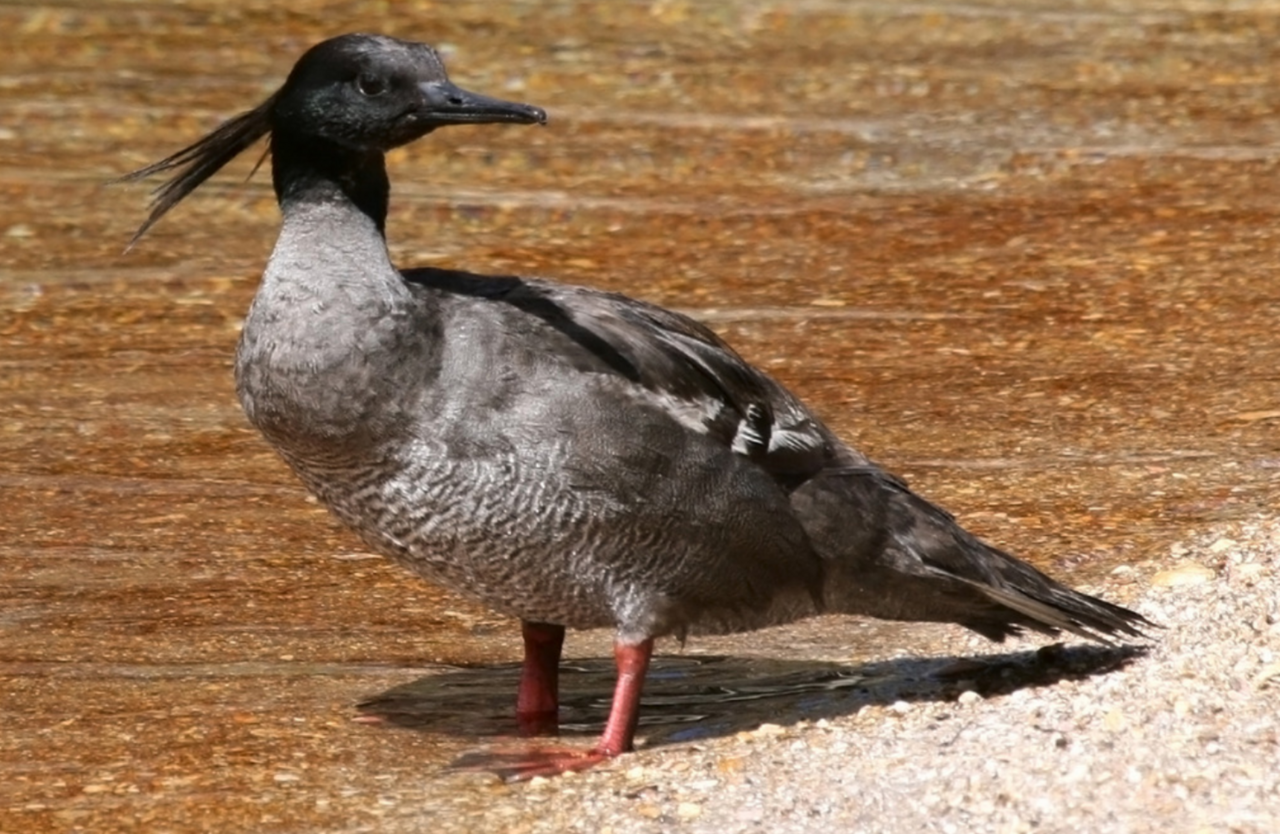
Brass's friarbird is a species of bird in the family Meliphagidae. It is endemic to West Papua, Indonesia.
Region
Western New Guinea
Typical Environment
Occurs in the Indonesian province of West Papua, mainly in lowland and foothill forests. It frequents primary and secondary evergreen forest, forest edges, riverine woodland, and gardens with flowering trees. The species often forages in the mid- to upper canopy but will descend to visit flowering shrubs at edges. It tolerates some habitat modification provided nectar sources and tall trees remain.
Altitude Range
Sea level to 1200 m
Climate Zone
Tropical
Ease of Keeping
Beginner friendly: 2/5
Named after botanist L. J. Brass, this friarbird is a honeyeater that plays an important role in pollinating native trees. It is vocal and often conspicuous around flowering canopies, where it can be quite assertive toward other nectar-feeders. Despite its limited range in West Papua, it adapts to forest edges and secondary growth.
Temperament
assertive and vocal
Flight Pattern
strong flier with direct, purposeful wingbeats
Social Behavior
Usually seen singly, in pairs, or small family groups, often dominating nectar resources against smaller honeyeaters. It nests in trees, building a cup-shaped nest suspended from branches. Both parents are thought to share in provisioning the young, and pairs defend small territories during breeding.
Migratory Pattern
Resident
Song Description
Loud, harsh chatters and scolding notes interspersed with clearer whistles. Calls carry through the canopy and are often given while foraging or during territorial disputes.
Plumage
Mostly plain grey-brown to olive-brown with paler, slightly streaked underparts and a somewhat scaly appearance on the breast. Texture is sleek with minimal gloss, giving a sober, friar-like look typical of the genus.
Diet
Primarily takes nectar from flowering trees and shrubs, using its brush-tipped tongue. Supplements its diet with insects and other arthropods gleaned from foliage and bark. Also consumes soft fruits and occasionally sips sap or honeydew. This flexible diet supports it in both primary and secondary habitats.
Preferred Environment
Feeds mostly in the mid to upper canopy at forest edges, along rivers, and in secondary growth. It also visits gardens and village trees when suitable blossoms are available.