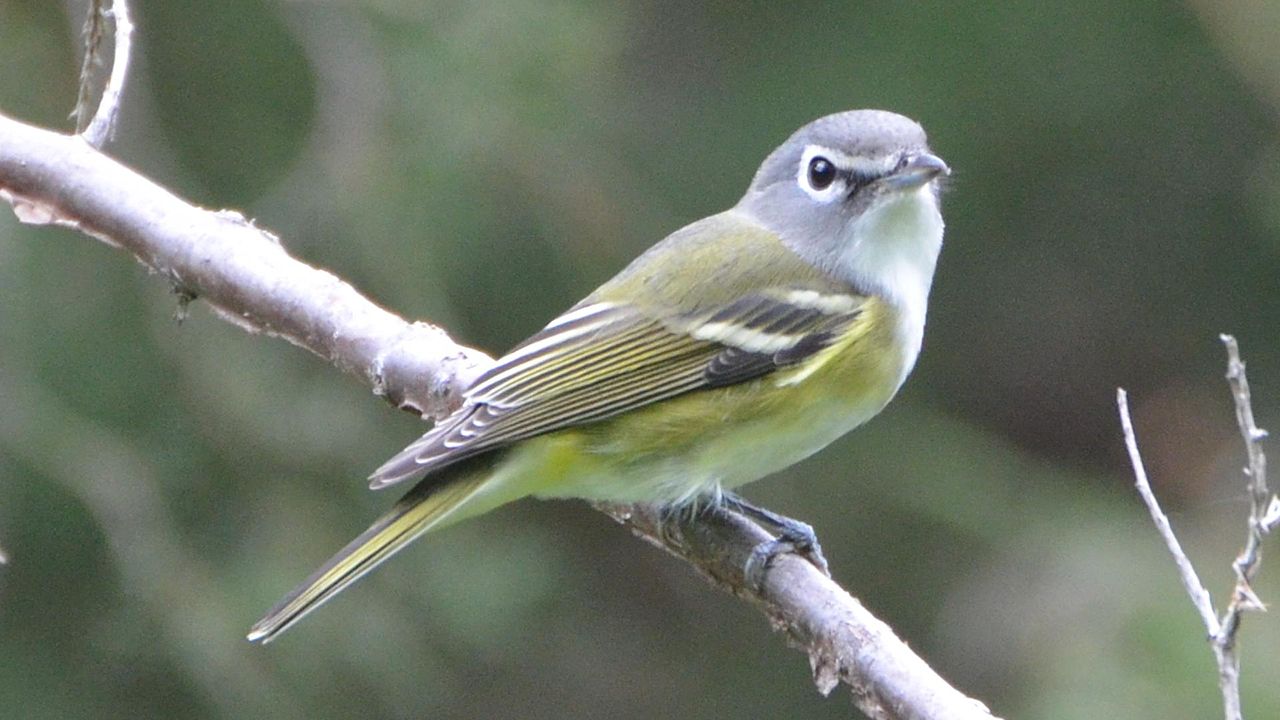
The blue-headed parrot, also known as the blue-headed pionus is a medium-sized parrot of about 27 cm (11 in) in length. The body is mostly green, with a blue head and neck, and red undertail coverts. It is a resident in tropical and subtropical South America and southern Central America, from Costa Rica, Venezuela and the Caribbean island of Trinidad south to Bolivia and Brazil.
Region
Southern Central America and northern South America
Typical Environment
Occurs from Costa Rica through Panama and Trinidad southward across much of northern South America, including Venezuela, the Guianas, Colombia, Ecuador, Peru, Bolivia, and Brazil. Prefers humid lowland and foothill forests, forest edges, gallery forests, and well-wooded secondary growth. Frequently visits clearings, plantations, and fruiting trees near settlements. Typically forages in the canopy but also uses midstory in more open habitats.
Altitude Range
Sea level to 1500 m
Climate Zone
Tropical
Ease of Keeping
Beginner friendly: 3/5
Also called the blue-headed pionus, this medium-sized parrot is popular in aviculture for its calm disposition but is not domesticated. It nests in tree cavities and often travels in small, noisy flocks. While adaptable to secondary growth and edges, it still depends on forested landscapes for food and nesting sites.


At La Senda Verde Animal Refuge, Bolivia

At a clay lick in Peru


Temperament
social and active
Flight Pattern
strong flier with rapid, direct wingbeats
Social Behavior
Usually seen in pairs or small to medium flocks, becoming larger around abundant food sources. Forms long-term pairs and nests in natural tree cavities. The female incubates while the male often assists by feeding and guarding nearby.
Migratory Pattern
Resident
Song Description
Vocalizations are loud, nasal, and slightly wheezy, with repeated squawks in flight. When perched, it gives softer chatters and whistles used for contact within the flock.
Plumage
Mostly green body with a distinctly blue head and neck; feathers on the back and breast often show subtle scalloping. Undertail coverts are bright red, and the throat can have pinkish to purplish tones. Flight feathers are darker with bluish hues.
Diet
Feeds primarily on fruits, berries, and seeds, including figs and palm fruits. Also takes flowers and buds and may occasionally consume small invertebrates. Often moves between fruiting trees and can exploit cultivated crops when available.
Preferred Environment
Forages mostly in the forest canopy and at forest edges, visiting fruiting trees in secondary growth and plantations. Will descend to midstory levels in more open habitats or when food is concentrated.