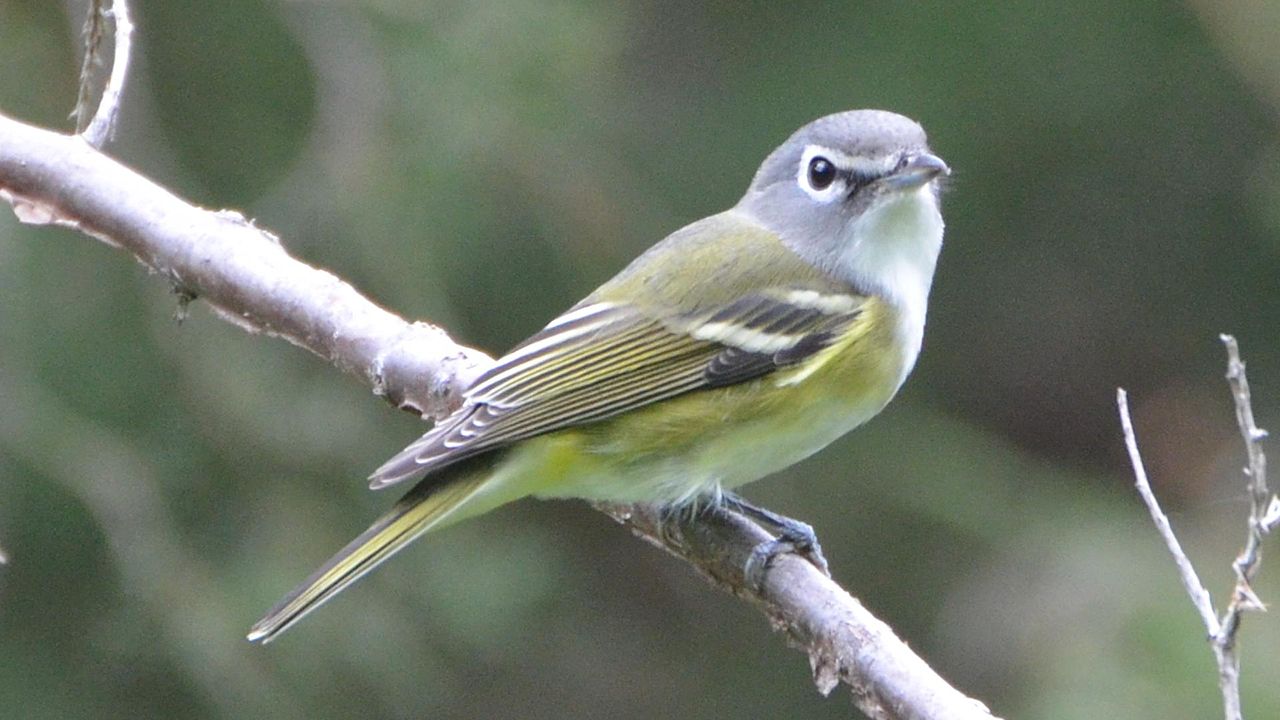
The blue-headed sunbird is a species of bird in the family Nectariniidae. It is native to the Albertine Rift montane forests.
Region
Albertine Rift (East-Central Africa)
Typical Environment
Occurs in moist montane forests and forest edges from eastern Democratic Republic of the Congo through southwestern Uganda to Rwanda and Burundi. It favors mature evergreen forest but also uses secondary growth, bamboo zones, and flowering trees along clearings and ridges. Birds often forage in the mid to upper canopy, descending to shrubs when flowering is abundant. It is generally tied to areas with year-round floral resources and intact understorey.
Altitude Range
1200–3200 m
Climate Zone
Highland
Ease of Keeping
Beginner friendly: 1/5
The Blue-headed Sunbird is confined to the Albertine Rift montane forests of central Africa. Males show a striking metallic blue head and throat, while females are much duller and olive-brown for better camouflage. Like other sunbirds, it primarily sips nectar but also takes small insects, especially when feeding young. It plays an important role in pollination of highland forest flora.

Temperament
active and territorial
Flight Pattern
short rapid wingbeats
Social Behavior
Usually seen singly or in pairs, sometimes joining mixed-species flocks when foraging in the canopy. Territorial males defend rich flowering patches. The nest is a small, pendant, pouch-like structure suspended from vegetation, lined with plant fibers and spider webs. Breeding is timed to peaks in flowering and insect abundance.
Migratory Pattern
Resident
Song Description
A thin, high-pitched series of tseet and tsee notes interspersed with rapid twitters. Calls are sharp and metallic, often delivered from exposed perches near flowering trees.
Plumage
Male with glossy, metallic blue head and throat, darker mantle and underparts with a slight sheen; female dull olive-brown above with paler, yellowish-olive underparts. Both sexes have a slender, decurved bill and relatively plain wings and tail. Feathers are sleek with iridescence most notable in good light on the male’s head and throat.
Diet
Feeds mainly on nectar from tubular and brush-like flowers, probing with its decurved bill and sometimes hovering briefly. Supplements its diet with small insects and spiders, gleaned from foliage or snapped in short sallies, especially during breeding. It may visit flowering shrubs in forest clearings and along trails. Pollination is facilitated as pollen adheres to the forehead and bill while feeding.
Preferred Environment
Mid to upper canopy of montane forest and along forest edges where flowering trees and shrubs are abundant. Frequently forages in sunlit gaps, ridgelines, and along bamboo or secondary growth patches with continuous blooms.