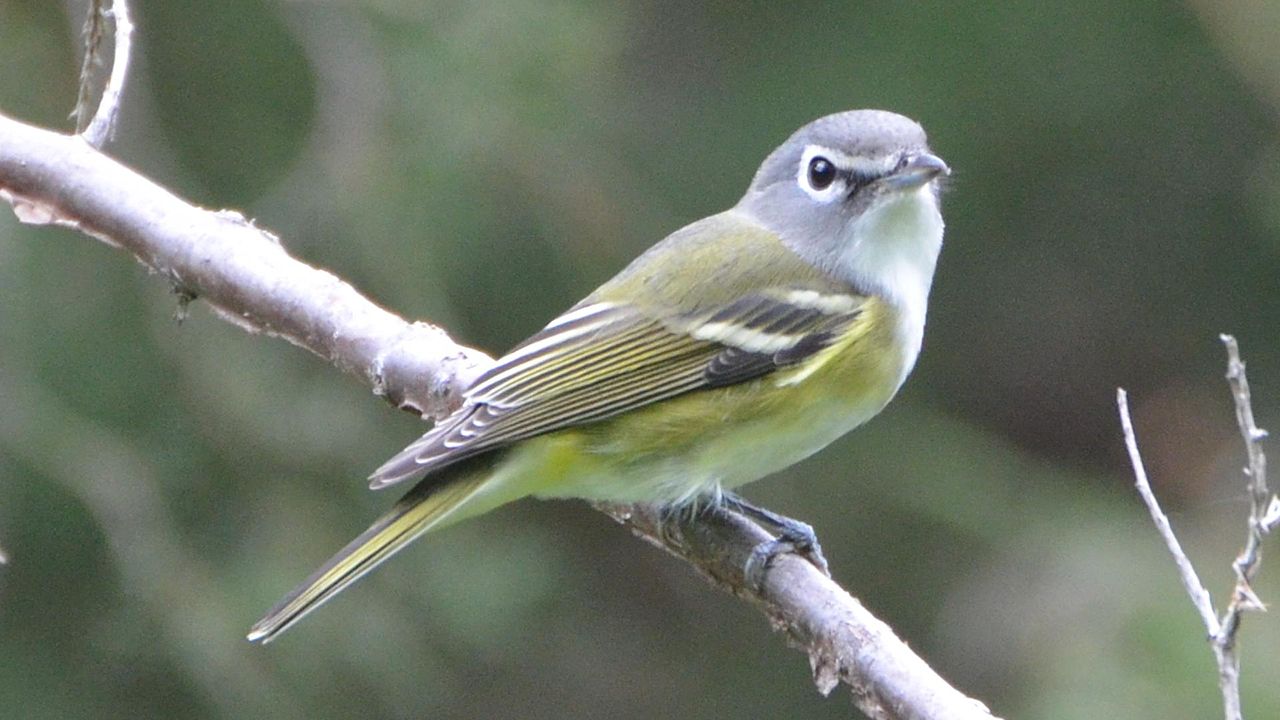
The blue-headed pitta is a species of bird in the pitta family Pittidae. It is endemic to Borneo.
Region
Borneo
Typical Environment
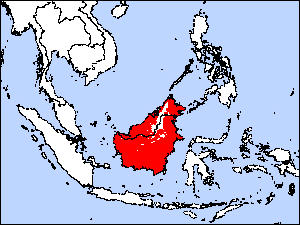
Occurs patchily across the island of Borneo in Brunei, Malaysian Borneo (Sabah and Sarawak), and Indonesian Kalimantan. It inhabits primary and lightly disturbed lowland evergreen and mixed dipterocarp forest, often near streams and in dense understory. The species forages on the shaded forest floor, favoring areas with deep leaf litter. It is generally absent from heavily logged or open secondary habitats and avoids plantations.
Altitude Range
Sea level to 1200 m
Climate Zone
Tropical
Ease of Keeping
Beginner friendly: 1/5
The blue-headed pitta is a striking forest-floor bird endemic to Borneo, where it prefers intact lowland rainforest. It is sensitive to logging and forest fragmentation, which have driven declines across much of its range. Males deliver clear, carrying whistles, often from concealed perches, especially in the early morning after rain.


Temperament
solitary and territorial
Flight Pattern
short rapid wingbeats, low and direct between perches
Social Behavior
Typically solitary outside the breeding season; forms pairs during breeding and defends territories. Nests are usually domed or ball-shaped structures placed on or near the ground in dense cover. Both parents participate in caring for the young.
Migratory Pattern
Resident
Song Description
A clear, piping whistle, often delivered as simple repeated notes or short phrases. Songs carry well through dense forest and are most frequent at dawn and after rainfall.
Plumage
Male shows a vivid cobalt-blue head contrasting with a darker face mask and rich rufous upperparts; underparts are clean and contrasting, with crisp color blocks typical of pittas. Female is duller and more camouflaged, largely olive-brown to rufous with a subdued bluish wash on the crown and finer patterning on the underparts.
Diet
Feeds mainly on ground-dwelling invertebrates such as beetles, ants, termites, spiders, snails, and earthworms. It probes leaf litter and soft soil, flipping leaves with its stout bill. Occasionally takes small vertebrates when available.
Preferred Environment
Forages on the shaded forest floor within dense understory and along stream banks. Prefers damp leaf litter patches and fallen logs that harbor invertebrates.