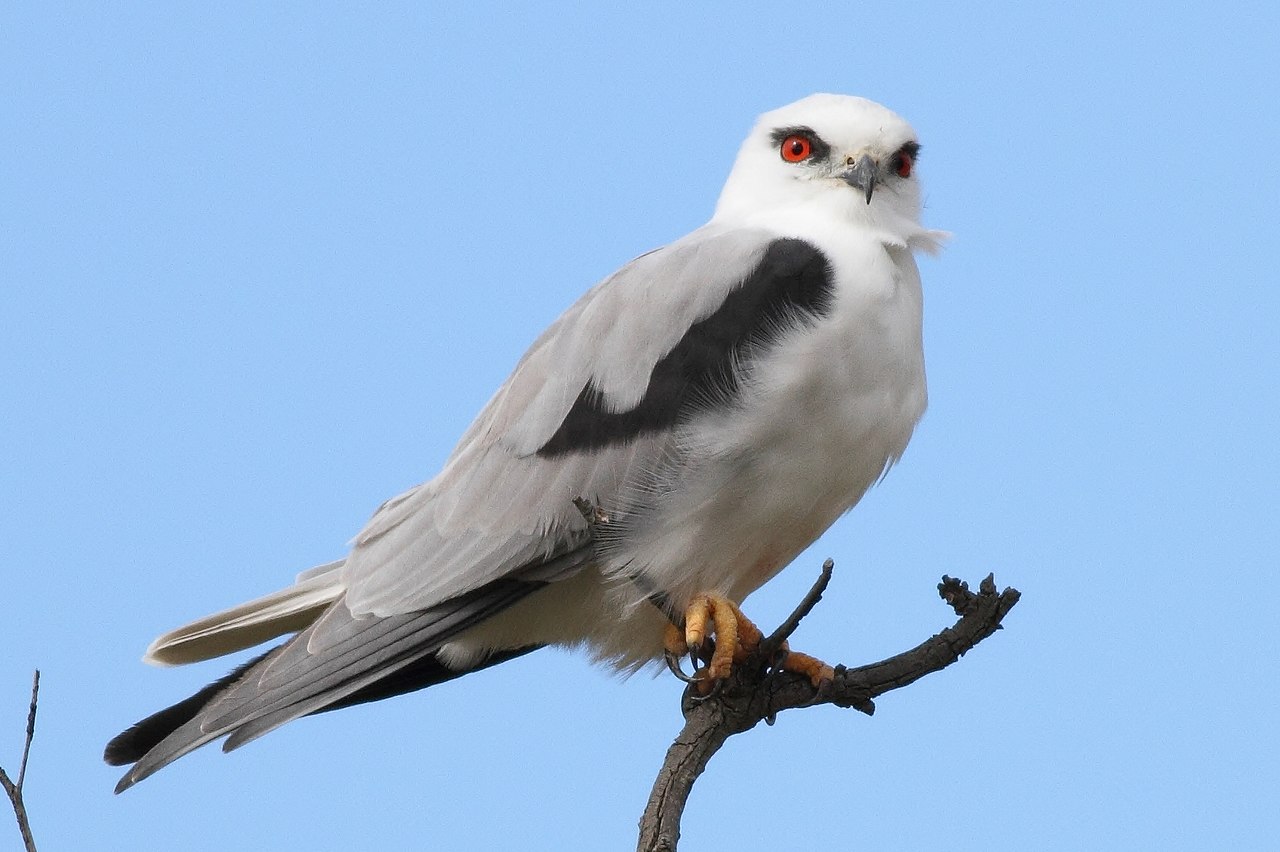
The black-rumped waxbill is a common species of estrildid finch found in Southern Africa. It has an estimated global extent of occurrence of 2,000,000 km2.
Region
Southern Africa
Typical Environment
Occupies open grassy habitats including savanna, riverine edges, fallow fields, and brushy wetlands. It readily uses disturbed areas with tall seeding grasses and can occur on the outskirts of towns and farms. Often stays close to water, visiting pans and streams daily. Outside of breeding, it ranges widely in loose flocks across suitable grassland mosaics.
Altitude Range
Sea level to 1800 m
Climate Zone
Subtropical
Ease of Keeping
Beginner friendly: 3/5
The black-rumped waxbill is a small estrildid finch that often forages in tight, chattering flocks and frequents grassy areas near water. It builds a neat, domed nest of fine grasses hidden low in shrubs or tall grass. During the breeding season it supplements its mainly seed-based diet with small insects for added protein. Though common and adaptable, it benefits from patches of rank grass and access to open water.

Temperament
social and active
Flight Pattern
short rapid wingbeats with a slightly bouncing flight
Social Behavior
Occurs in pairs and small to medium flocks, often forming mixed groups with other waxbills. Monogamous pairs construct domed grass nests low in dense vegetation. Both sexes incubate and feed the young, and post-breeding flocks roost communally.
Migratory Pattern
Resident
Song Description
A soft series of high, tinkling trills and twitters, interspersed with thin tseep contact notes. Vocalizations are continuous while feeding and help maintain flock cohesion.
Plumage
Fine, subtly barred grey-brown upperparts with paler buff underparts and flanks showing delicate streaking; rump distinctly black leading into a dark tail. The overall appearance is soft and finely patterned rather than boldly marked.
Diet
Primarily takes small grass and herb seeds plucked from seed heads or gleaned on the ground. During breeding, it adds tiny insects and larvae to meet protein needs. It drinks frequently and visits water sources daily.
Preferred Environment
Feeds in rank grasses, along field margins, and at the edges of wetlands and drainage lines. Often forages on seeding grasses in disturbed sites and lightly grazed pastures.