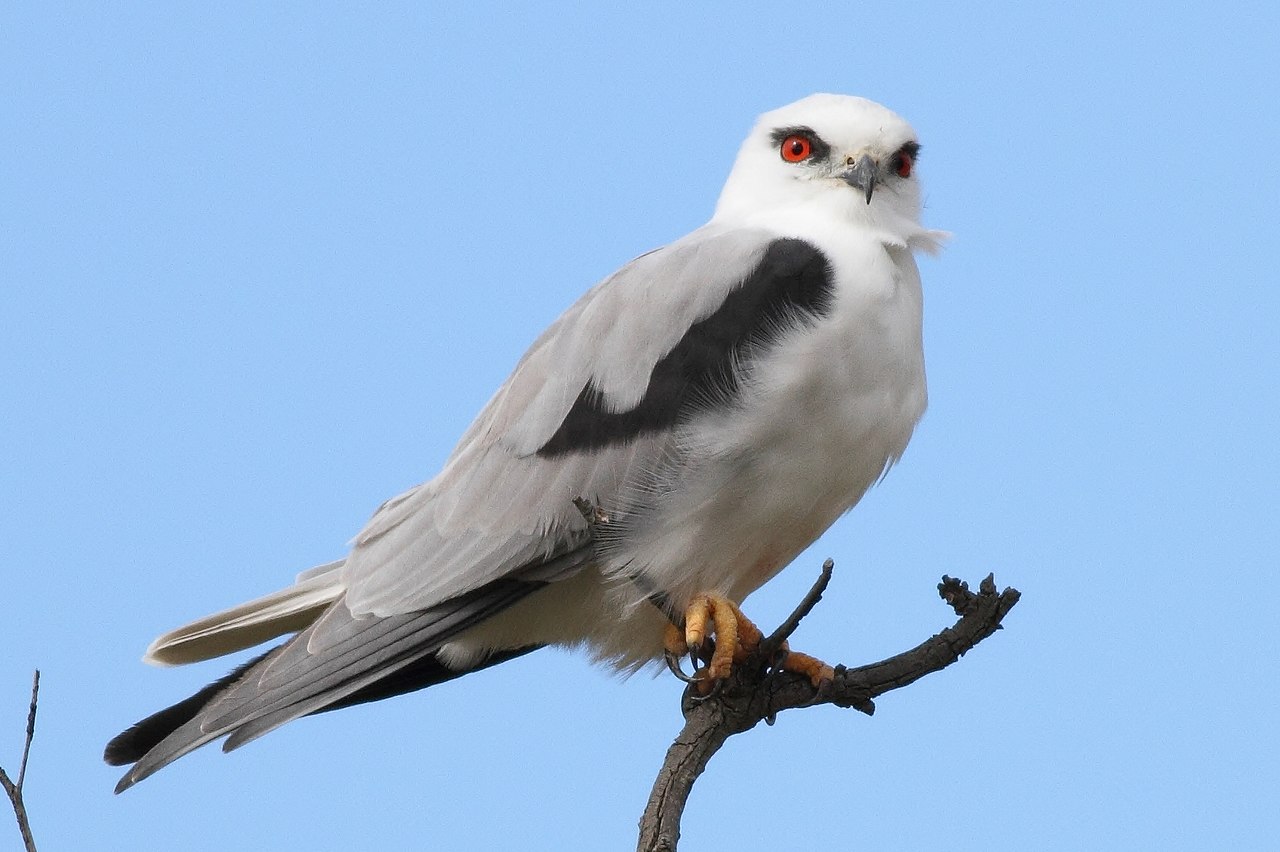
The black-shouldered cicadabird or Papuan cicadabird is a species of bird in the family Campephagidae. It is found in New Guinea. Its natural habitats are subtropical or tropical moist lowland forest and subtropical or tropical moist montane forest.
Region
New Guinea
Typical Environment
Occurs throughout lowland and hill rainforests of New Guinea, with local presence in both primary and well-developed secondary forest. Favors the mid- to upper canopy but will descend to forest edges and clearings to forage. It is recorded in both lowland evergreen forest and lower montane forest, including ridges and foothill slopes. It tolerates selectively logged areas if substantial canopy cover remains.
Altitude Range
Sea level to 2000 m
Climate Zone
Tropical
Ease of Keeping
Beginner friendly: 1/5
Also called the Papuan cicadabird, this Campephagidae species is a canopy-dwelling insect-hunter of New Guinea’s rainforests. Males show a diagnostic black shoulder panel that gives the species its common name. Its calls are buzzy and cicada-like, often betraying its presence high in the foliage. It often joins mixed-species flocks while foraging.

Temperament
solitary and territorial
Flight Pattern
short rapid wingbeats with direct, purposeful flights between canopy perches
Social Behavior
Usually seen singly or in pairs, sometimes accompanying mixed-species flocks in the canopy. Builds a small, neat cup nest placed high in trees. Likely monogamous, with both parents participating in rearing young.
Migratory Pattern
Resident
Song Description
Vocalizations are buzzy, insect-like trills and rattles, interspersed with short whistles. The call carries through the canopy and can resemble a cicada, often given from a concealed perch.
Plumage
Male is slate-grey with a distinct black shoulder patch and darker wings; underparts are paler grey. Female is browner or grey-brown above with warmer tones and may show faint barring or mottling on the underparts.
Diet
Primarily hunts insects such as caterpillars, beetles, cicadas, and other arthropods gleaned from leaves and branches. Will sally to catch airborne prey and probe bark or foliage for hidden larvae. Occasionally takes small fruits or berries when insect prey is scarce.
Preferred Environment
Forages mainly in the mid to upper canopy of mature forest, along edges, and in gaps where prey is concentrated. Uses vantage perches to scan before making short sallies or careful gleaning runs.