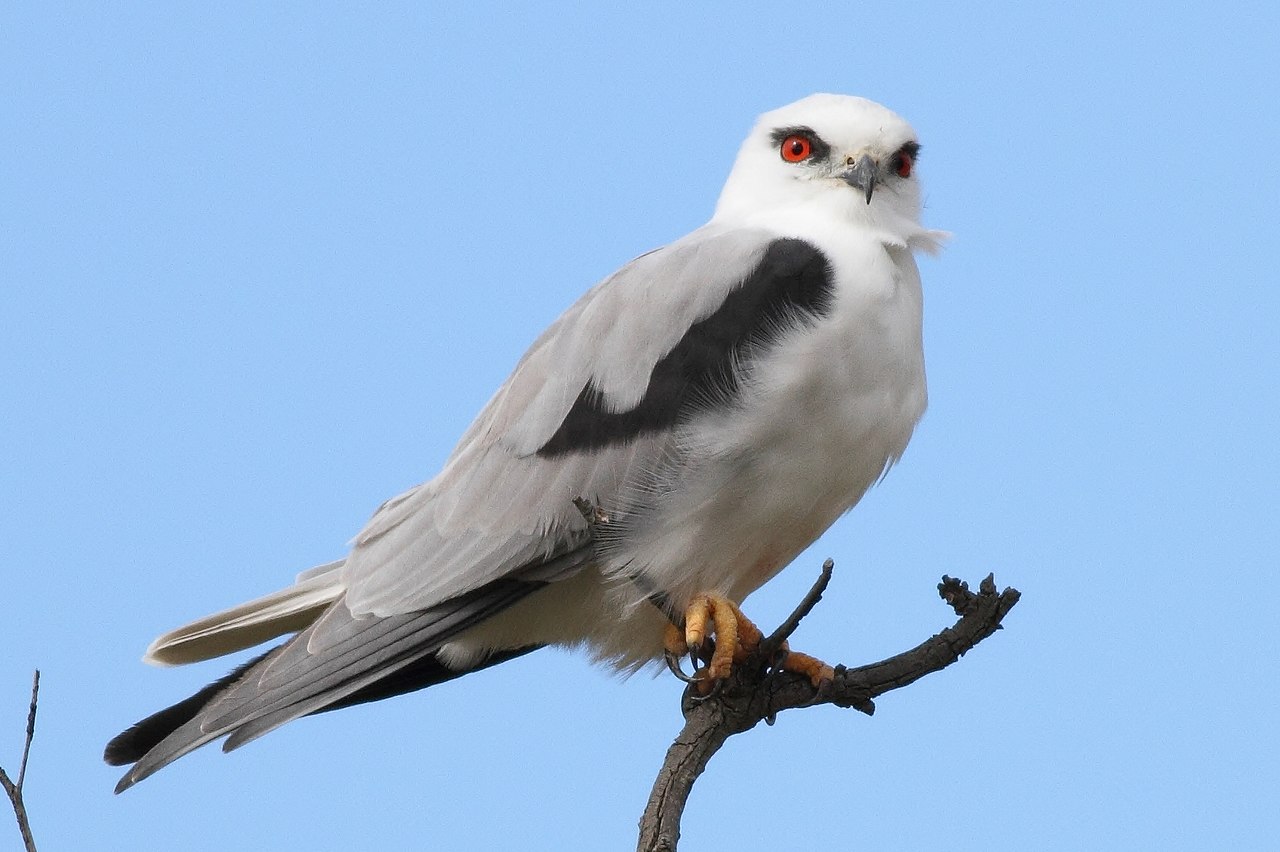
The black-rumped buttonquail is a small species of bird in the buttonquail family.
Region
Sub-Saharan Africa
Typical Environment
Patchily distributed across dry savannas, open grasslands, lightly wooded areas, and fallow or stubble fields. It favors sites with a mosaic of short to medium-height grasses and patches of bare ground for foraging. Often occurs along field margins and in lightly grazed pastures, where cover allows it to remain concealed. Dense cover is important for roosting and nesting, typically on or near the ground under grass tussocks.
Altitude Range
Sea level to 1800 m
Climate Zone
Tropical
Ease of Keeping
Beginner friendly: 1/5
The black-rumped buttonquail is a small, elusive ground bird that prefers to run rather than fly, flushing only in short, whirring bursts. Females are larger and more brightly marked than males and take the lead in courtship; males incubate the eggs and rear the chicks. The species’ namesake dark rump is often noticeable when it takes flight.

Temperament
secretive and wary
Flight Pattern
short rapid wingbeats, low fast bursts before dropping back into cover
Social Behavior
Often seen singly or in pairs, sometimes in small family groups outside the breeding season. Females initiate courtship and may be polyandrous; males build simple ground nests, incubate, and care for the young. Nests are shallow scrapes hidden under grass clumps.
Migratory Pattern
Resident
Song Description
Vocalizations are low, booming hoots and soft coos, often given by females during display. Calls carry through grass and can be heard at dawn and dusk more than the bird is seen.
Plumage
Sandy-brown to rufous-brown upperparts finely mottled and barred with black and buff, giving a cryptic, speckled look; paler underparts with subtle spotting. A contrasting dark (blackish) rump patch shows in flight. Feathers are short and dense, aiding camouflage in grassy habitats.
Diet
Feeds on small insects such as ants, termites, and beetles, as well as spiders and other invertebrates. Also takes seeds of grasses and herbs, especially in the dry season. Forages by gleaning and pecking on the ground, occasionally scratching lightly among leaf litter and grass bases.
Preferred Environment
Most often feeds along the edges of grass tussocks, fallow fields, and lightly grazed savannas where bare patches alternate with cover. Will also use agricultural stubble and field margins when undisturbed.