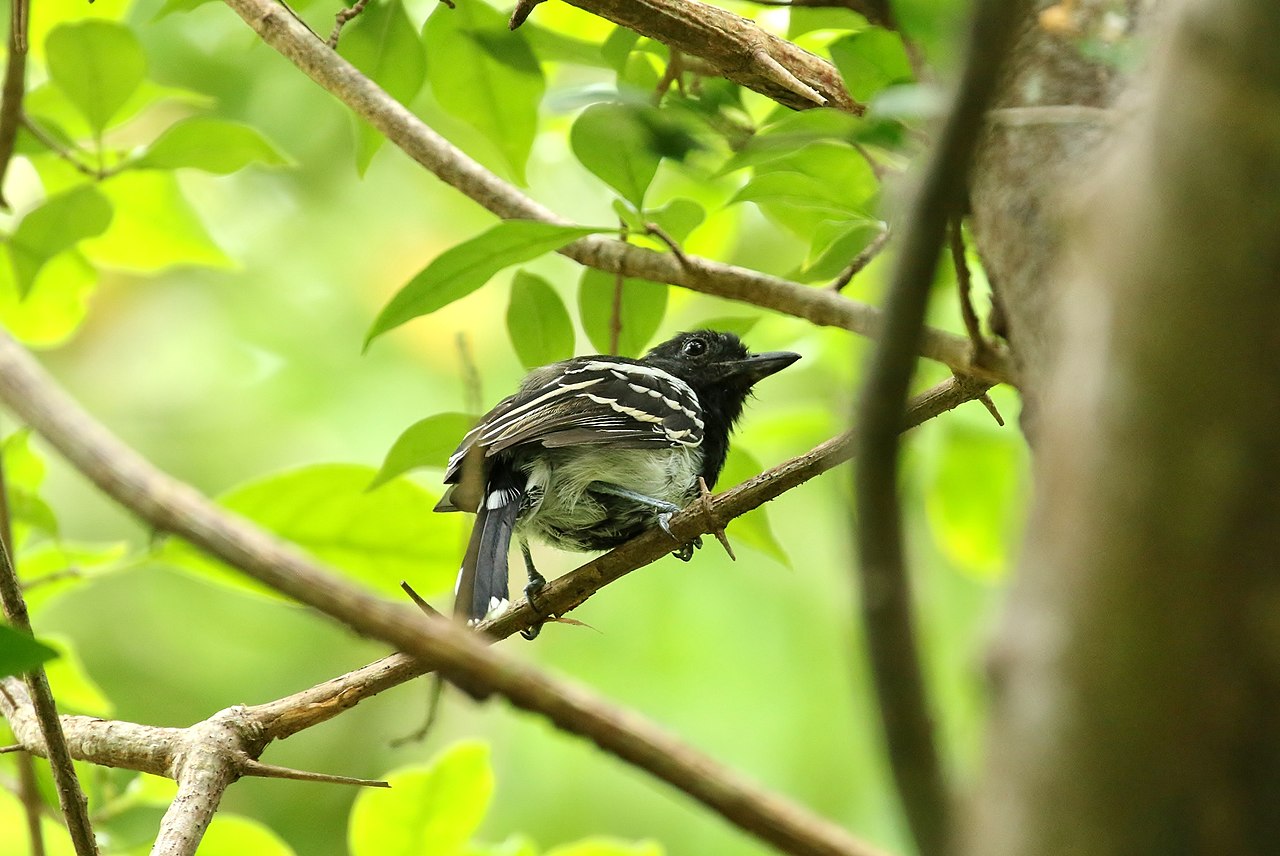
The black-and-yellow grosbeak is a species of finch native to the northern parts of the Indian subcontinent, primarily the lower and middle Himalayas. It is in the family Fringillidae.
Region
Himalayas and adjacent foothills
Typical Environment
Occurs in lower to middle elevations of the northern Indian subcontinent, primarily along the Himalayan range. Prefers mature broadleaf and mixed broadleaf–conifer forests with dense canopies, especially oak and rhododendron, and utilizes forest edges and clearings. In winter it may descend into foothill woodlands, orchards, and wooded valleys. It is most frequently encountered in pairs or small groups foraging high in trees.
Altitude Range
1000–3200 m
Climate Zone
Highland
Ease of Keeping
Beginner friendly: 1/5
This large finch of the Himalayas is named for its striking contrast of deep black and rich yellow plumage. It often forages high in the canopy of oak, rhododendron, and conifer forests, using its powerful bill to crack hard seeds. Outside the breeding season it gathers in small flocks and may move downslope in winter. Its mellow, whistled song carries through mountain forests at dawn and dusk.


Temperament
social and alert
Flight Pattern
strong direct flight with rapid wingbeats, slightly undulating like many finches
Social Behavior
Typically seen in pairs during the breeding season and in small flocks the rest of the year, sometimes joining mixed-species foraging groups. Nests are placed on horizontal branches high in trees; the cup is built with twigs, roots, and lichens. Likely monogamous, with both parents attending the young.
Migratory Pattern
Partial migrant
Song Description
Song consists of mellow, whistled phrases delivered at a relaxed pace from high perches. Calls include a clear, metallic chink and soft contact notes used within flocks.
Plumage
Boldly contrasting plumage with glossy black areas and rich yellow body tones; dense, smooth feathering typical of large finches.
Diet
Feeds primarily on seeds, nuts, and buds, including those of oak, rhododendron, and various conifers. Also consumes berries and other fleshy fruits when available. Supplements diet with insects and other invertebrates, especially during the breeding season. Uses its powerful bill to crack hard-shelled seeds and husks.
Preferred Environment
Forages high in the canopy of mature forest, along edges, and in secondary growth. In winter it may frequent orchards, shrubby hillsides, and wooded valleys, often moving along ridgelines and forest margins.