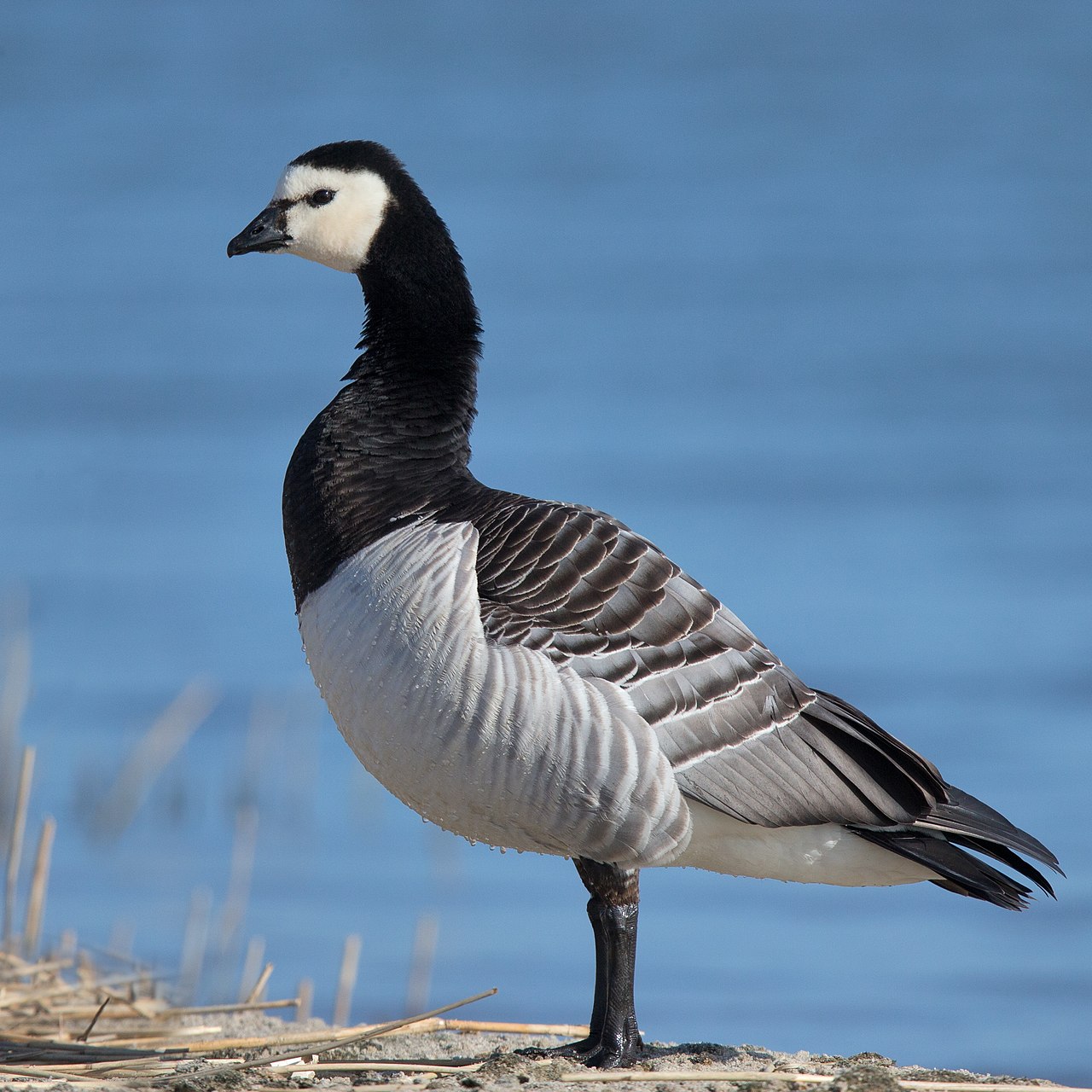
The bare-throated tiger heron is a wading bird of the heron family, Ardeidae, found from Mexico to northwestern Colombia, with one recorded sighting from the United States in Hidalgo County, Texas. It is 80 cm (31 in) in length and weighs 1,200 g (42 oz).
Region
Mesoamerica to northwestern South America
Typical Environment
Found from coastal and lowland Mexico through Central America to northwestern Colombia. It favors mangroves, tidal estuaries, forested rivers, oxbow lakes, marshes, and shaded streams. Birds often skulk along densely vegetated banks and sandbars, using cover to approach prey. It tolerates some disturbed habitats but is most common where mature riparian vegetation remains.
Altitude Range
Sea level to 1200 m
Climate Zone
Tropical
Ease of Keeping
Beginner friendly: 2/5
This striking heron gets its name from the bare, yellowish skin on its throat and the bold, tiger-like barring on its body. It hunts by standing motionless at the water’s edge, spearing prey with a rapid thrust of its dagger-like bill. In flight it carries its neck retracted like other herons, showing slow, deep wingbeats. During courtship, the bare throat skin can flush brighter yellow.


Temperament
solitary and territorial
Flight Pattern
slow deep wingbeats with neck retracted
Social Behavior
Usually solitary while feeding, maintaining linear territories along waterways. Pairs nest in trees or dense mangroves near water, building a stick platform and laying a small clutch. Breeding often coincides with local rainy seasons when prey is abundant.
Migratory Pattern
Resident
Song Description
Vocalizations include low booming croaks, gruff barks, and hoarse grunts, often given at dawn or dusk. Calls can carry through mangroves and riparian forest and are used in territorial and courtship contexts.
Plumage
Heavily barred and vermiculated brown, buff, and black plumage with a blackish cap and grayer neck; throat is bare and yellowish.
Diet
Primarily fishes, frogs, tadpoles, and crabs; also takes aquatic insects, small reptiles, and occasional small mammals. It employs a sit-and-wait strategy, remaining motionless before striking quickly. The strong bill allows it to handle armored or slippery prey.
Preferred Environment
Edges of slow-moving rivers, shaded forest streams, mangrove channels, lagoons, and marsh margins. Often forages from low perches, sandbars, or submerged logs close to cover.