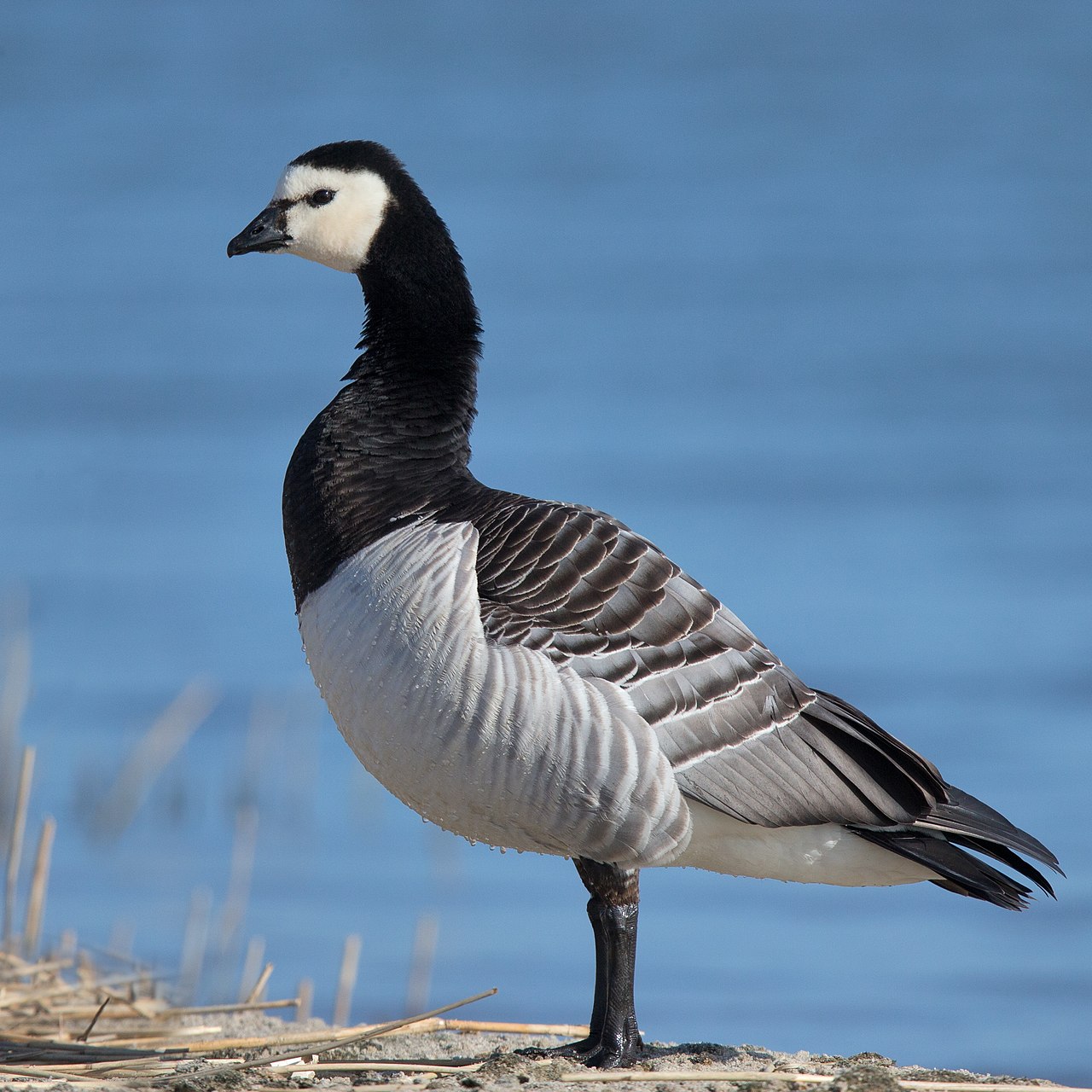
The barking imperial pigeon, also known as Peale's imperial pigeon, is a species of bird in the pigeon family Columbidae. It is endemic to Fiji, where it occurs on most of the medium and large islands.
Region
South Pacific
Typical Environment
Endemic to the Fiji archipelago, it occurs on most medium and large islands with substantial forest cover. It primarily inhabits mature lowland and hill rainforest but also uses well-developed secondary forest and forest edges. Birds often range along ridges and valleys following fruiting trees, occasionally crossing open areas between forest patches. It is largely arboreal, favoring the upper canopy where large fruit crops are available.
Altitude Range
Sea level to 1200 m
Climate Zone
Tropical
Ease of Keeping
Beginner friendly: 1/5
Also called Peale's imperial pigeon, this large fruit dove is famous for its loud, dog-like bark that carries through Fiji’s forests. It plays an important role as a seed disperser for many native trees. It spends most of its time high in the canopy and can be surprisingly elusive despite its size.

Temperament
wary and canopy-dwelling
Flight Pattern
strong flier with direct, powerful wingbeats
Social Behavior
Usually seen singly, in pairs, or small loose groups around fruiting trees. Nests high in trees, building a simple platform nest typical of pigeons. Breeding pairs are territorial around the nest but may join mixed feeding aggregations when food is abundant.
Migratory Pattern
Resident
Song Description
The voice is a loud, resonant series of barking notes that can resemble a dog, often delivered from a concealed perch. Calls carry over long distances and are a primary means of detection in dense forest.
Plumage
Large imperial pigeon with mostly slaty-grey upperparts, paler grey head and neck, and slightly paler underparts; wings may show a subtle sheen. Tail and flight feathers are darker, giving a contrasting, clean look in flight.
Diet
Primarily eats large fruits and figs, swallowing them whole and later dispersing seeds. It forages widely to track seasonal fruiting of native trees. Occasionally takes berries and drupes from canopy and subcanopy species. Its gut passage aids germination for several forest plants.
Preferred Environment
Feeds high in the canopy of mature rainforest and along forest edges where fruiting trees are concentrated. It may descend to mid-levels in secondary forest or visit isolated fruiting trees in clearings.