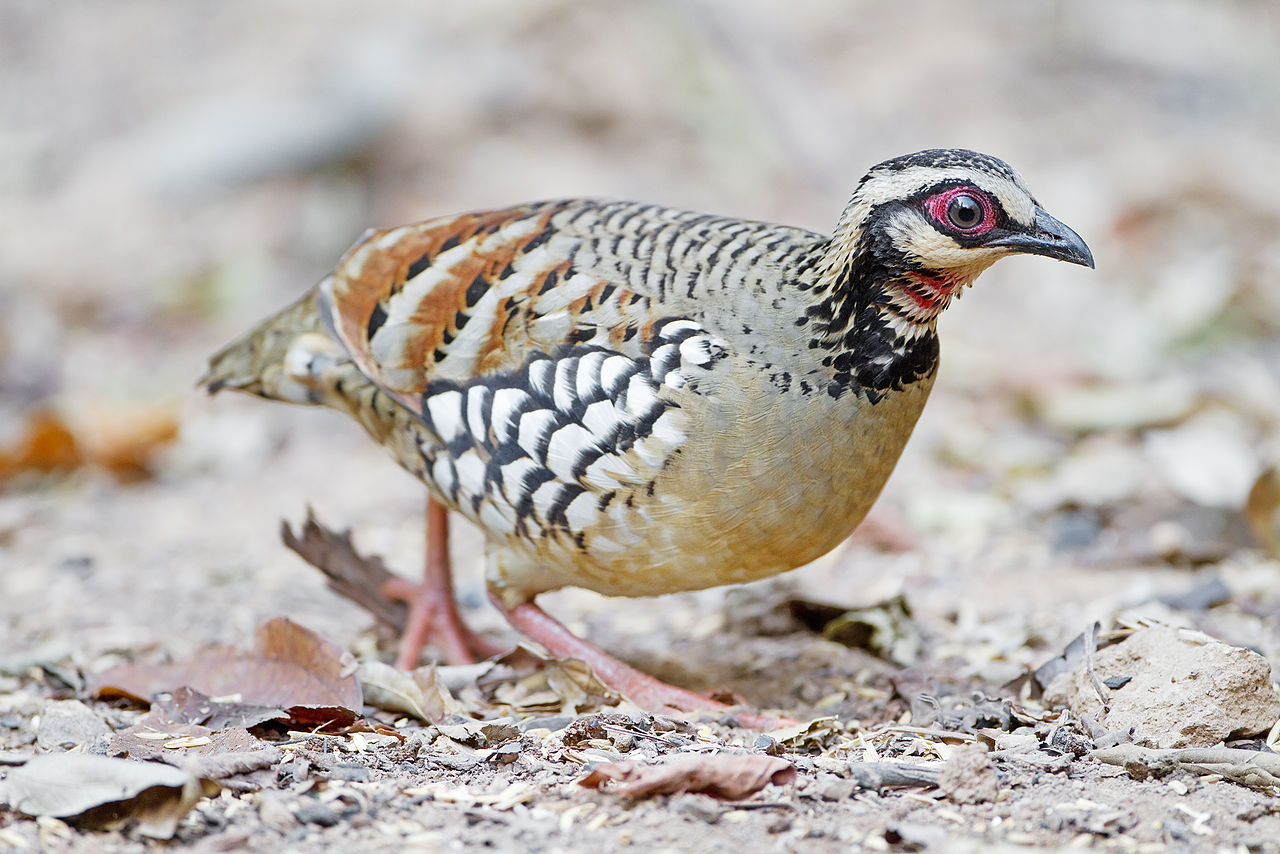
Bannerman's weaver is a species of bird in the weaver family, Ploceidae. It is native to the Western High Plateau. Its natural habitat is subtropical or tropical moist montane forests. It is threatened by habitat loss.
Region
Cameroon Highlands
Typical Environment
Found in subtropical and tropical moist montane forests, especially edges, clearings, and secondary growth near mature forest. It frequents the upper canopy but also forages in mid-story along forest margins and riparian strips. Nests are typically placed in small colonies on outer branches over open gaps or stream corridors. The species avoids heavily disturbed lowland habitats and extensive agricultural zones.
Altitude Range
1300–2200 m
Climate Zone
Highland
Ease of Keeping
Beginner friendly: 1/5
Bannerman's weaver is a canopy-dwelling weaver restricted to Cameroon's Western High Plateau. Males weave intricate, hanging nests from grasses and leaves, often in small colonies along forest edges. Its limited range and dependence on montane forest make it highly vulnerable to habitat loss and degradation.

Temperament
social and active
Flight Pattern
short rapid wingbeats
Social Behavior
Typically breeds in small colonies where males construct multiple woven nests to attract females. Pairs nest in the outer canopy along forest edges and near clearings. Outside breeding, small groups may forage together within mixed-species flocks in the mid- to upper canopy.
Migratory Pattern
Resident
Song Description
A rapid series of chattering notes, buzzes, and squeaky trills delivered from exposed perches near the nest site. Calls are sharp and metallic, often given in bursts during display and colony interactions.
Plumage
Male shows bright yellow underparts with an olive-tinged back and a contrasting dark face and throat; female is duller with olive-brown upperparts and yellowish, lightly streaked underparts.
Diet
Takes a mix of insects and other arthropods gleaned from foliage and flowers, as well as seeds and small berries. It employs active gleaning in the canopy and occasionally sallies short distances to capture prey. During breeding, animal prey may form a larger portion of the diet to provision chicks.
Preferred Environment
Primarily forages in the upper canopy and on sunlit forest edges where flowering and fruiting trees attract insects. It also uses secondary growth and riparian vegetation for feeding.