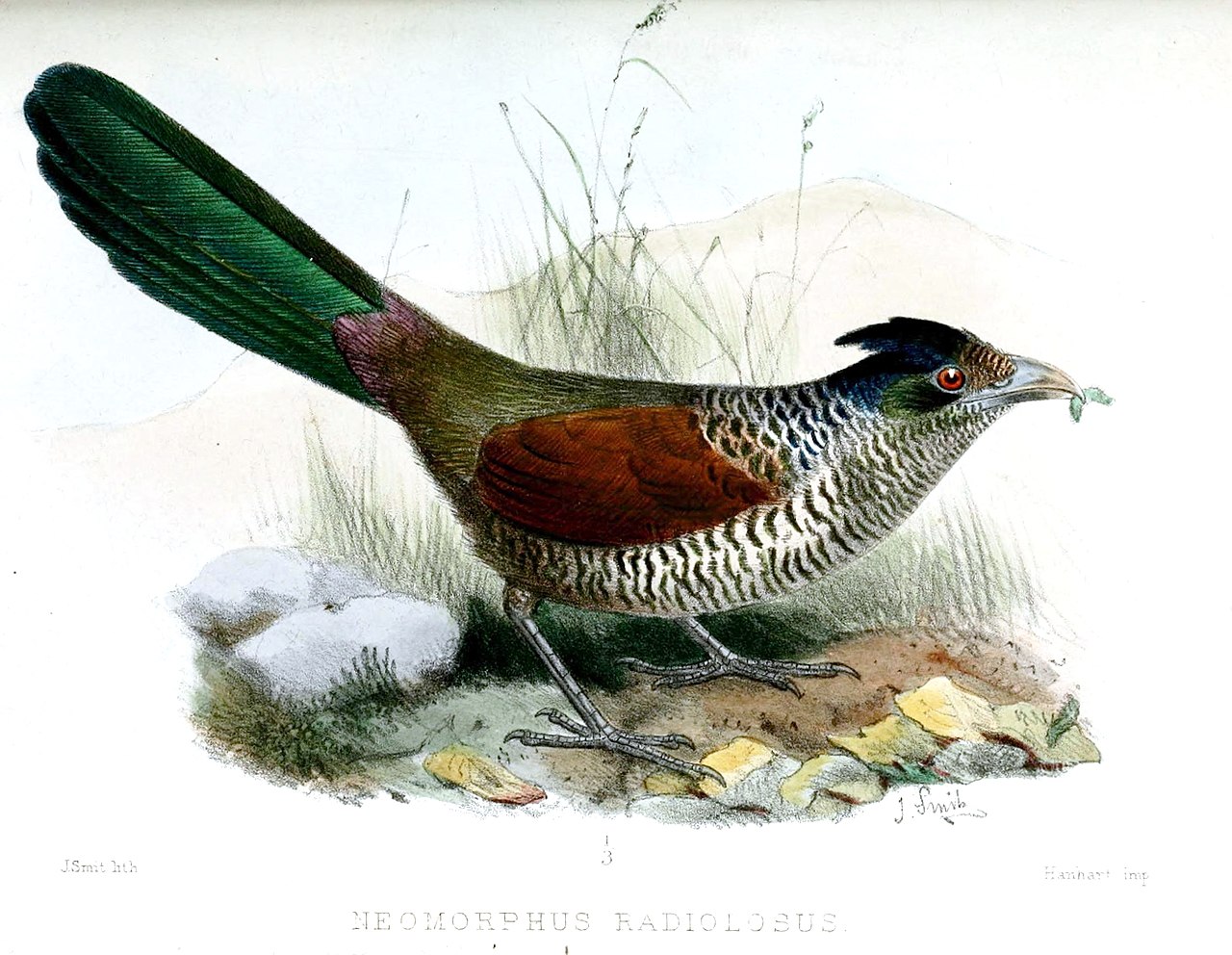
The banded barbet is a species of bird in the family Lybiidae. It is found in Eritrea and Ethiopia.
Region
Horn of Africa
Typical Environment
Occurs in the highland regions of Ethiopia and Eritrea, favoring wooded slopes, riparian woodland, and mixed farmland with scattered trees. It frequents acacia and juniper habitats, forest edges, coffee groves, gardens, and parks in towns of the highlands. The species is generally tied to areas with available nesting cavities and fruiting trees. It can persist in moderately disturbed landscapes if large trees remain.
Altitude Range
800–2800 m
Climate Zone
Highland
Ease of Keeping
Beginner friendly: 2/5
The banded barbet is a Horn of Africa specialty, occurring mainly in the Ethiopian Highlands and adjacent Eritrea. Like other barbets, it excavates its own nest cavity in soft or decaying wood using its stout bill. Pairs often duet with rhythmic, repeated notes that carry far across wooded slopes.

Temperament
usually in pairs or small family groups; territorial
Flight Pattern
short rapid wingbeats with undulating flight between trees
Social Behavior
Typically seen in pairs that maintain territories year-round and may be joined by recent offspring. They excavate nest cavities in soft or dead wood and line the entrance by pecking chips away with their heavy bills. Courtship often includes mutual preening and duetting.
Migratory Pattern
Resident
Song Description
A repetitive series of resonant, rolling notes delivered in steady rhythm; pairs frequently duet with synchronized phrases. Calls include harsh churring and ticking notes during territorial interactions.
Plumage
Heavily barred and banded appearance with mottled upperparts and boldly banded underparts giving a scaly look. The head and back are dark brown to blackish with pale streaking, while the breast and flanks show alternating dark and pale bars. Feathers are dense and slightly bristly around the bill, typical of barbets.
Diet
Feeds mainly on fruits such as figs and other berries, supplemented with insects like beetles, ants, and termites. It will also take small invertebrates gleaned from bark and foliage. Occasionally it hawks insects in short sallies from a perch and may visit cultivated fruit trees.
Preferred Environment
Forages in the mid- to upper canopy of woodland and along forest edges, as well as in gardens and agroforestry plots with mature trees. Often visits fruiting trees and riparian corridors.