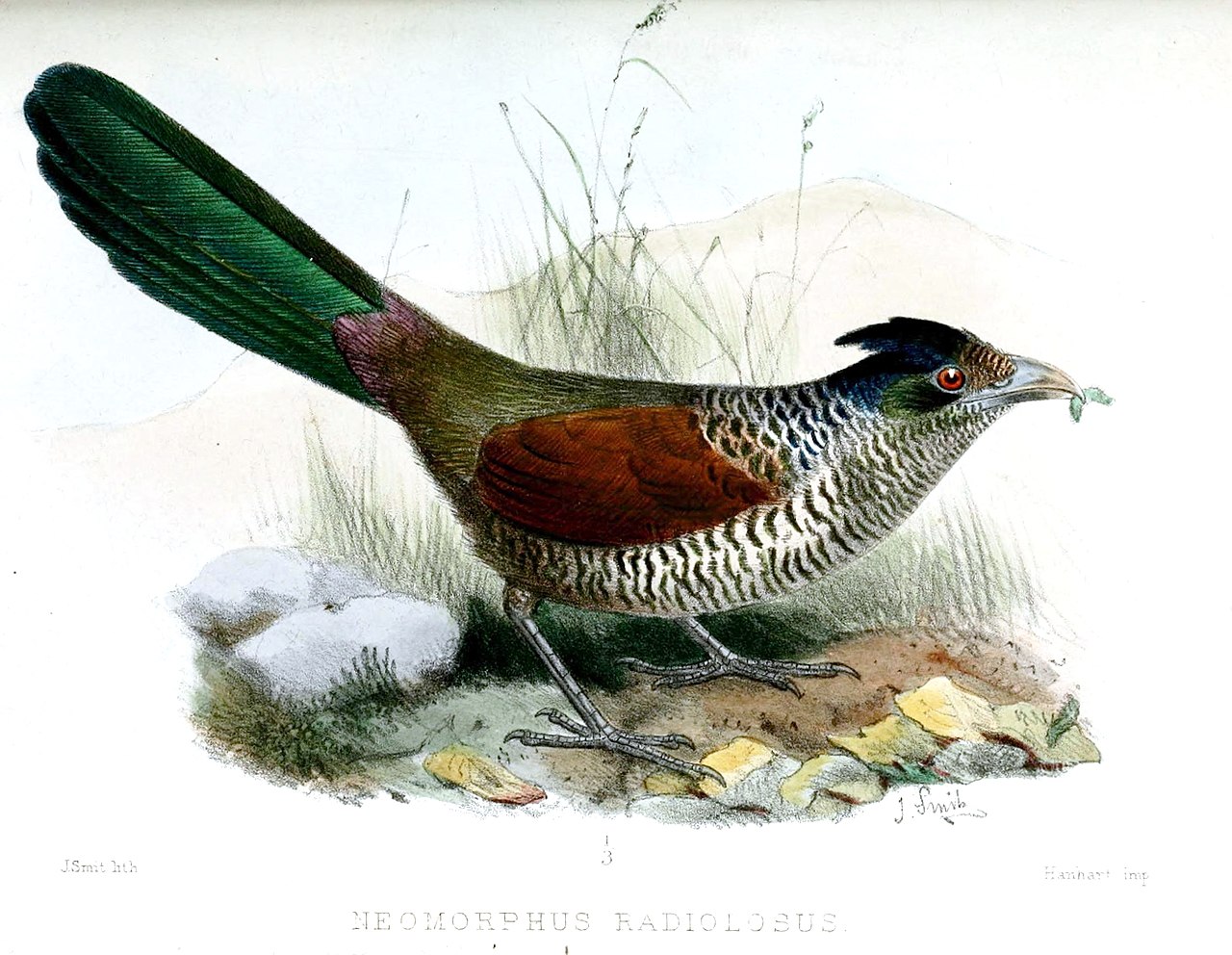
The banded cotinga is a species of bird in the family Cotingidae. It is endemic to southeastern Brazil.
Region
Atlantic Forest of eastern and southeastern Brazil
Typical Environment
Occurs in lowland and foothill evergreen and semideciduous Atlantic Forest, favoring tall, mature canopy with abundant fruiting trees. It uses primary forest most frequently but may visit edges, clearings, and older secondary growth when fruit is available. Birds typically remain high in the canopy and are seldom seen in the understory. Fragmentation limits movement between patches, so it is now concentrated in a few protected tracts.
Altitude Range
0–800 m
Climate Zone
Tropical
Ease of Keeping
Beginner friendly: 1/5
The banded cotinga is a striking canopy frugivore of the Atlantic Forest, with males showing vivid blue and purple hues and a dark breast band. It is rare and local due to extensive habitat loss and fragmentation. Birders most often detect it at fruiting trees or from canopy towers in protected forest remnants.


Temperament
solitary and unobtrusive
Flight Pattern
short direct flights between canopy crowns; bounding and swift
Social Behavior
Usually encountered singly or in pairs in the upper canopy. Males often perch prominently at fruiting trees or display perches, while females keep to denser foliage. Nesting is poorly documented but likely involves a small, open cup placed high in trees, typical of cotingas.
Migratory Pattern
Resident
Song Description
Generally quiet; gives thin, high-pitched whistles and soft notes from high perches. Vocalizations are subtle and easily missed amid forest background noise.
Plumage
Male is iridescent turquoise-blue with a rich purple throat patch and a contrasting dark breast band; wings and tail are darker. Female is brown with heavy buff scaling and mottling, giving a barred or spotted appearance, and has a paler throat and belly.
Diet
Primarily consumes small to medium-sized fruits from canopy trees such as laurels and figs, often swallowing them whole. It acts as a seed disperser as undigested seeds pass through the gut. Occasionally takes insects or other small arthropods, especially when fruit is scarce.
Preferred Environment
Forages in the upper canopy at fruiting trees, sometimes joining mixed-species frugivore gatherings. May visit forest gaps and edges when fruiting resources are concentrated there.