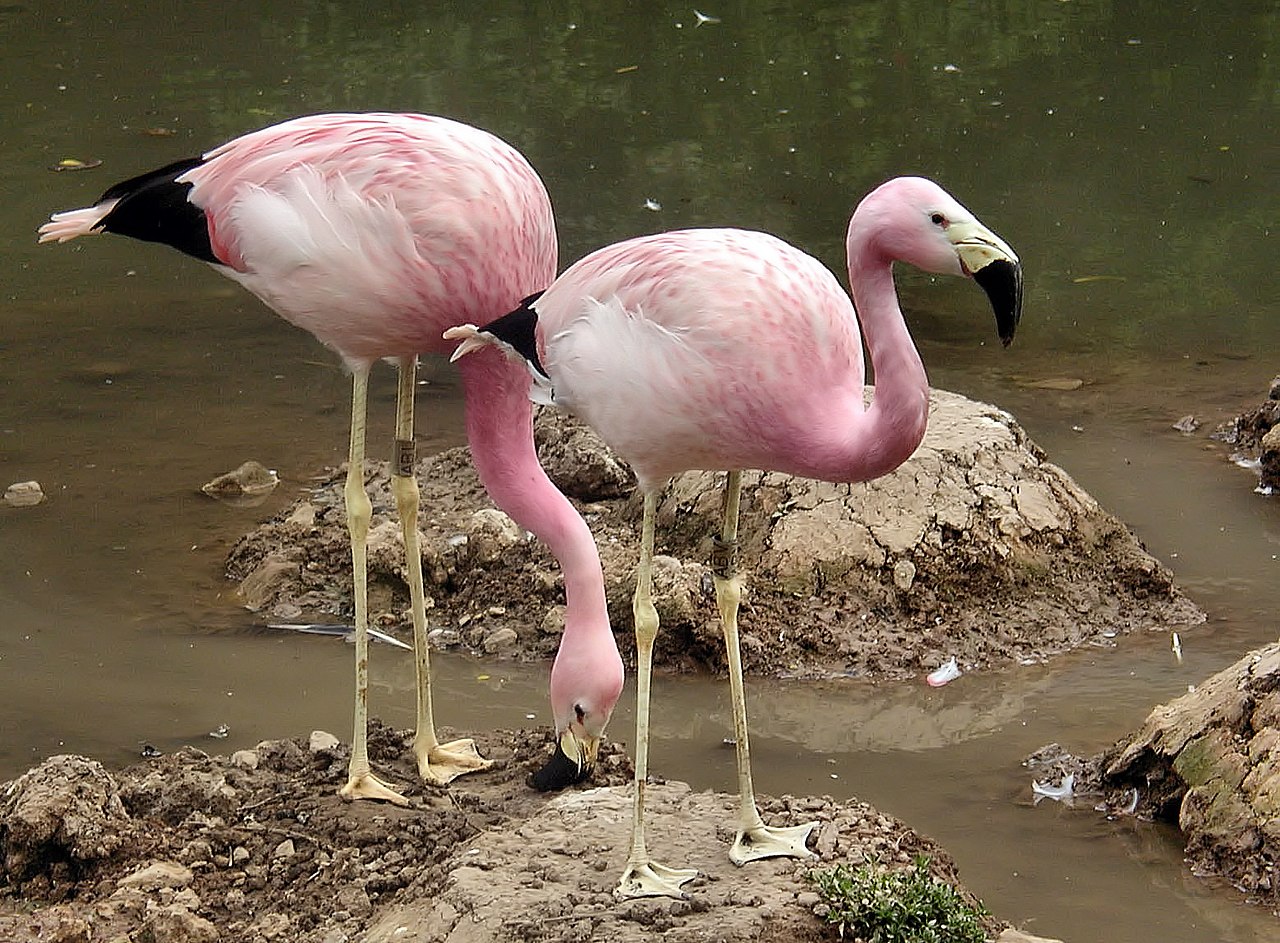
The Andean condor is a South American New World vulture and is the only extant member of the genus Vultur. It is found in the Andes mountains and adjacent Pacific coasts of western South America. With a maximum wingspan of 3.3 m and weight of 15 kg (33 lb), the Andean condor is one of the largest flying birds in the world, and is generally considered to be the largest bird of prey in the world.
Region
Andes Mountains
Typical Environment
Occurs along the Andes from Colombia and Venezuela south through Ecuador, Peru, Bolivia, Chile, and Argentina, reaching Tierra del Fuego. Also frequents the Pacific coast of Peru and Chile where marine mammal carcasses wash ashore. Prefers vast open landscapes such as puna grasslands, high Andean steppes, and arid scrub, with access to cliffs for roosting and nesting. Uses strong orographic and thermal lift along ridgelines and coastal cliffs to travel long distances while foraging.
Altitude Range
Sea level to 5000 m
Climate Zone
Highland
Ease of Keeping
Beginner friendly: 1/5
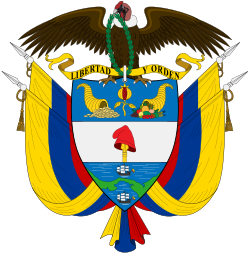
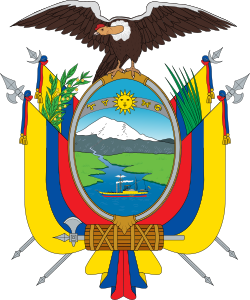
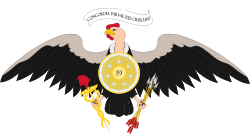
The Andean condor is the only extant member of the genus Vultur and one of the largest flying birds, with a wingspan that can exceed 3 meters. It relies on powerful mountain and coastal updrafts to soar for hours with minimal wingbeats. A bald head helps maintain hygiene when feeding on carrion. It is a national symbol in several Andean countries and has a very slow breeding rate, typically one chick every two years.


Andean condor in Peru

There is a dark red caruncle (or comb) on the top of the head of the adult male.

Adult male (a) and adult female (b). Note the difference in skin and iris colour, as well as the male's comb.

Necks of dominant males may flush a brilliant yellow colour when feeding at carcasses to signify dominance.

Andean condor talons

Andean condor, in Chilean national park Torres del Paine

Andean condors often spend much of their time soaring on mountain updrafts.

In conflict with a black-chested buzzard-eagle

Egg, Collection Museum Wiesbaden

A juvenile condor in Colca Canyon, Peru.

Adult male with a full crop

Adult male, with black vultures
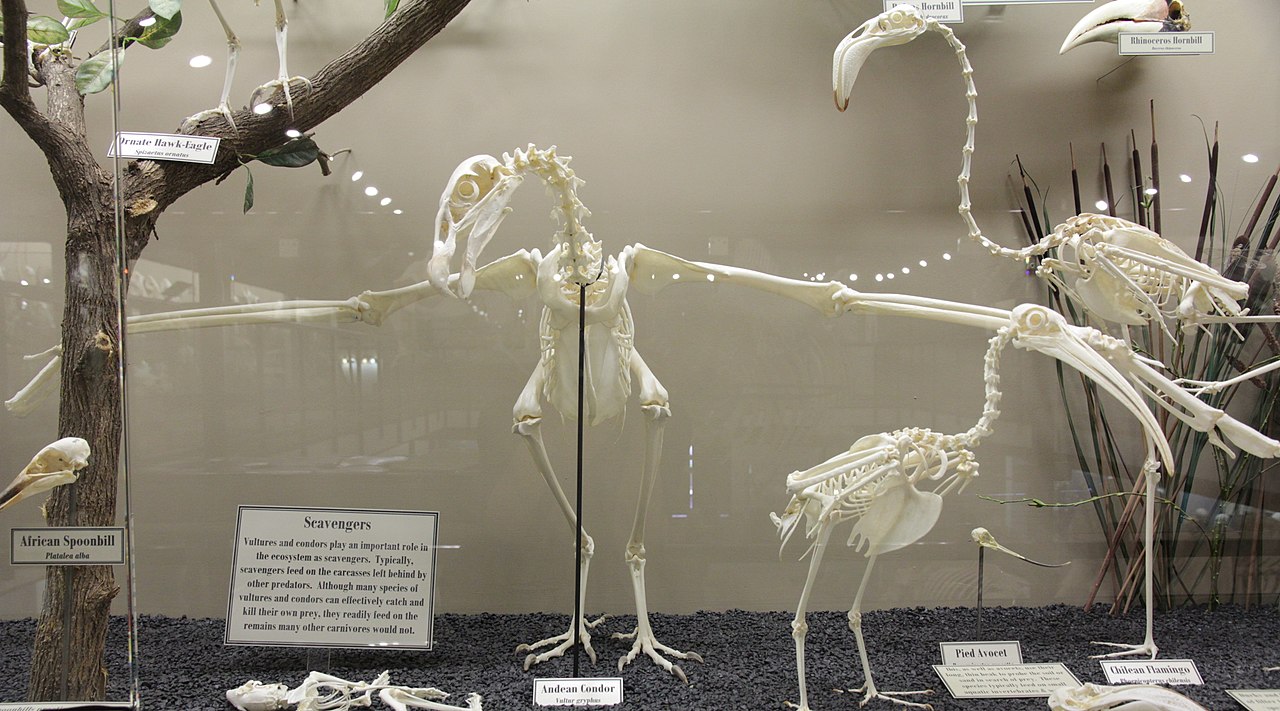
Andean condor skeleton (Museum of Osteology)

Adult male, Taronga Zoo, Australia

Adult male, Moscow Zoo, Russia

Chancay textile with flying condors, 1200-1400 AD





Temperament
social and dominant scavenger
Flight Pattern
soaring glider
Social Behavior
Often roosts communally on high cliffs and gathers at large carcasses where a dominance hierarchy is evident. Forms long-term monogamous pairs that nest on inaccessible ledges or in caves. Clutch size is typically one egg with extended parental care; pairs may breed only every other year.
Migratory Pattern
Resident
Song Description
Lacks a true song; vocalizations are limited to hisses, grunts, and croaks. Sounds are most often heard during disputes at carcasses or at roost sites.
Plumage
Predominantly black with a conspicuous white ruff at the base of the neck; adults show large white patches on the upper wing coverts.
Diet
A strict scavenger that feeds primarily on carrion, favoring large mammals such as llamas, deer, guanacos, and livestock. Along coasts it consumes dead marine mammals and seabirds. It may travel tens of kilometers in a day searching for carcasses, often locating food by watching other scavengers.
Preferred Environment
Forages over open highland grasslands, arid plains, and along coastal shorelines where updrafts are reliable. Feeds on the ground at carcasses, often after smaller scavengers have opened tough hides.