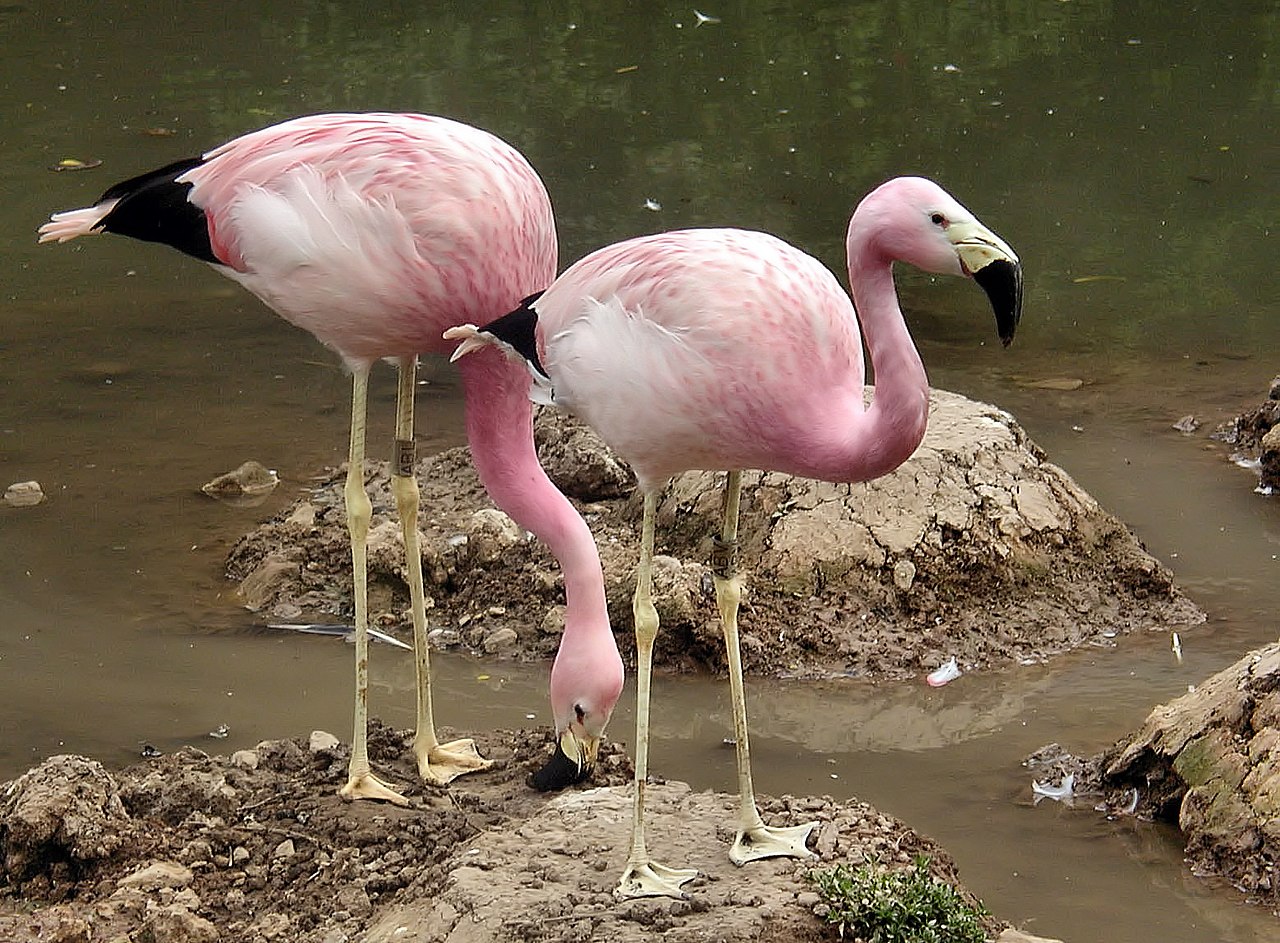
The Andean avocet is a large wader in the avocet and stilt bird family, Recurvirostridae. It is resident in the Andes, breeding above 3500 m in northwestern Argentina, western Bolivia, northern Chile and southern Peru.
Region
Andes Mountains
Typical Environment
Found primarily on the Altiplano of southern Peru, western Bolivia, northern Chile, and northwestern Argentina. It inhabits shallow saline and brackish lakes, salt pans, and marshy margins within puna grasslands. The species prefers open shorelines with minimal vegetation and expansive muddy or sandy flats for foraging. It avoids lowland areas and is closely tied to water levels and seasonal precipitation.
Altitude Range
3500–4700 m
Climate Zone
Highland
Ease of Keeping
Beginner friendly: 1/5
The Andean avocet is a high-altitude specialist that lives on the Andean Altiplano, often around saline and alkaline lakes. Like other avocets, it feeds by sweeping its long upcurved bill side-to-side through shallow water to catch small invertebrates. It tolerates cold, windy conditions and intense solar radiation typical of the high Andes. Pairs often defend nests vigorously from intruders.


Temperament
social and active
Flight Pattern
strong flier with steady, direct wingbeats
Social Behavior
Often forms small flocks outside the breeding season and may nest in loose colonies near water. Nests are simple scrapes on islands or shoreline flats. Both parents incubate and guard chicks, showing aggressive distraction and mobbing displays toward predators.
Migratory Pattern
Resident
Song Description
Vocalizations include clear, ringing piping notes and sharp ‘klee-it’ calls, especially in flight or during alarm. During displays, pairs exchange loud, repetitive whistles.
Plumage
Striking black-and-white contrast with clean white head, neck, and underparts, and black mantle and wing coverts; wings show bold black-and-white pattern in flight.
Diet
Feeds mainly on aquatic invertebrates such as chironomid larvae, brine flies, small crustaceans, and other insect larvae. It sweeps its bill side-to-side through shallow water and soft mud, occasionally pecking at prey on the surface. Opportunistically takes small mollusks and other tiny aquatic organisms.
Preferred Environment
Shallow margins of saline and brackish lakes, mudflats, and flooded pans with firm, open substrates. Often forages in wind-exposed shorelines where wave action concentrates invertebrates.