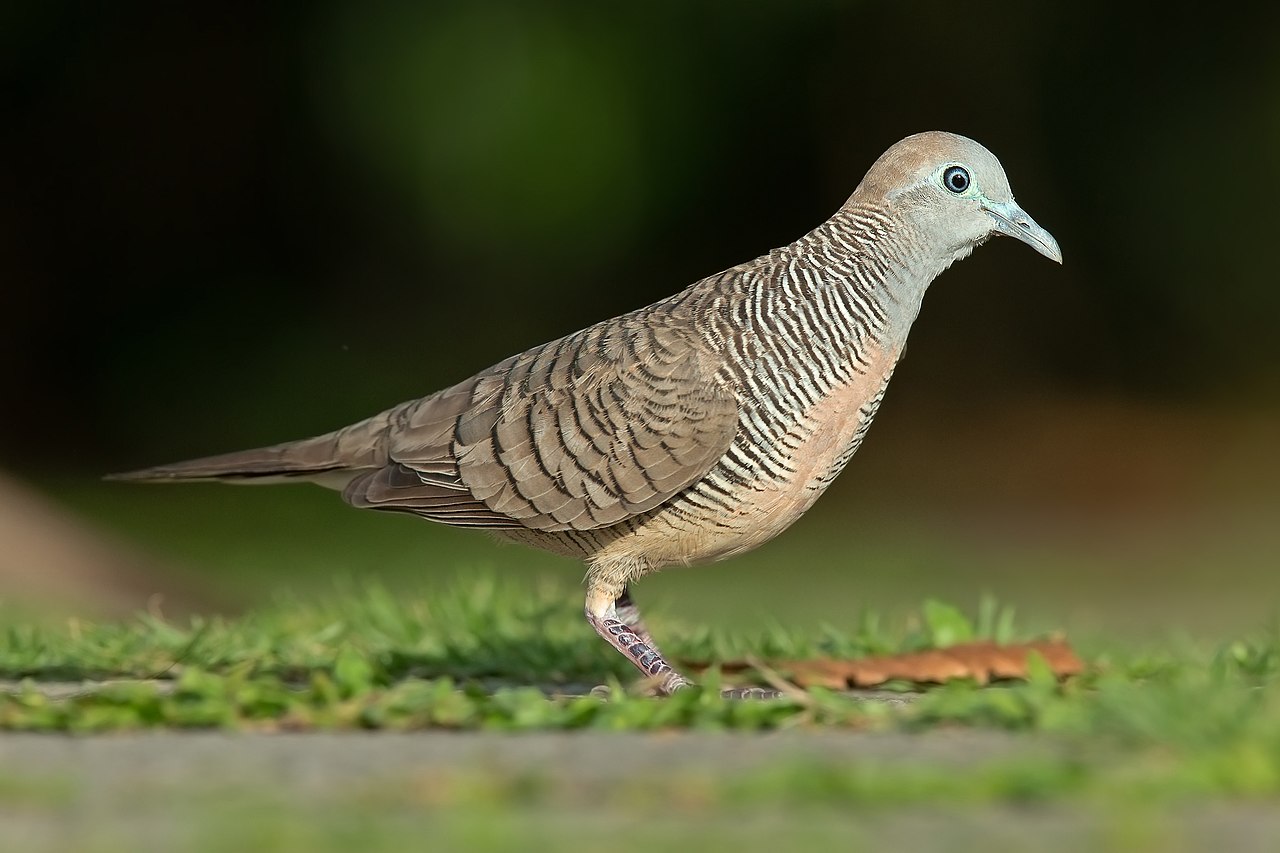
Zappey's flycatcher is a songbird in the Old World flycatcher family Muscicapidae. It breeds in central China and winters to the Malay Peninsula, Sumatra and Java. It was formerly considered to be conspecific with the blue-and-white flycatcher.
Region
East and Southeast Asia
Typical Environment
Breeds in central China, mainly in montane mixed and broadleaf forests with mature canopy and forest edges. During migration and winter it moves through and inhabits lowland to hill evergreen and semi-evergreen forests of the Malay Peninsula, Sumatra, and Java. It frequents forest interiors, gaps, ravines, and wooded river corridors. Secondary growth and well-wooded parks may be used on passage. It typically keeps to mid- to upper-canopy strata.
Altitude Range
0–2200 m
Climate Zone
Subtropical
Ease of Keeping
Beginner friendly: 1/5
Zappey's flycatcher is a striking Old World flycatcher split from the blue-and-white flycatcher based on differences in plumage and vocalizations. Males show vivid blue upperparts with clean white underparts, while females are brownish and more cryptic. It breeds in central China and migrates to winter in the Malay Peninsula and the Greater Sunda Islands.

Temperament
alert and active, territorial in breeding season
Flight Pattern
short rapid wingbeats with agile sallies from perches
Social Behavior
Typically solitary or in pairs while breeding, defending small territories in forested slopes and valleys. Nests are cup-shaped, placed on branches or in tree cavities and crevices, and both parents feed the young. On migration it may join mixed-species flocks in the canopy.
Migratory Pattern
Seasonal migrant
Song Description
Male delivers a clear, melodious series of whistles and warbles from exposed canopy perches. Calls include sharp 'tchik' notes and softer contact chips. Song is reminiscent of the blue-and-white flycatcher but differs in phrasing and tone.
Plumage
Male with bright cobalt-blue upperparts, darker head, and clean white underparts; female is brown-olive above with pale buffy underparts and faint streaking. Juveniles are mottled with pale spotting. Feathers are sleek with a glossy sheen in males.
Diet
Primarily hunts flying insects such as beetles, moths, flies, and other arthropods, captured by aerial sallies from a perch. It also gleans caterpillars and spiders from foliage. Small berries may be taken opportunistically, especially during migration and winter when insect activity wanes.
Preferred Environment
Feeds mainly in the mid- to upper canopy along forest edges, clearings, and stream corridors. On passage it forages in secondary woodland, plantations, and well-wooded parks.