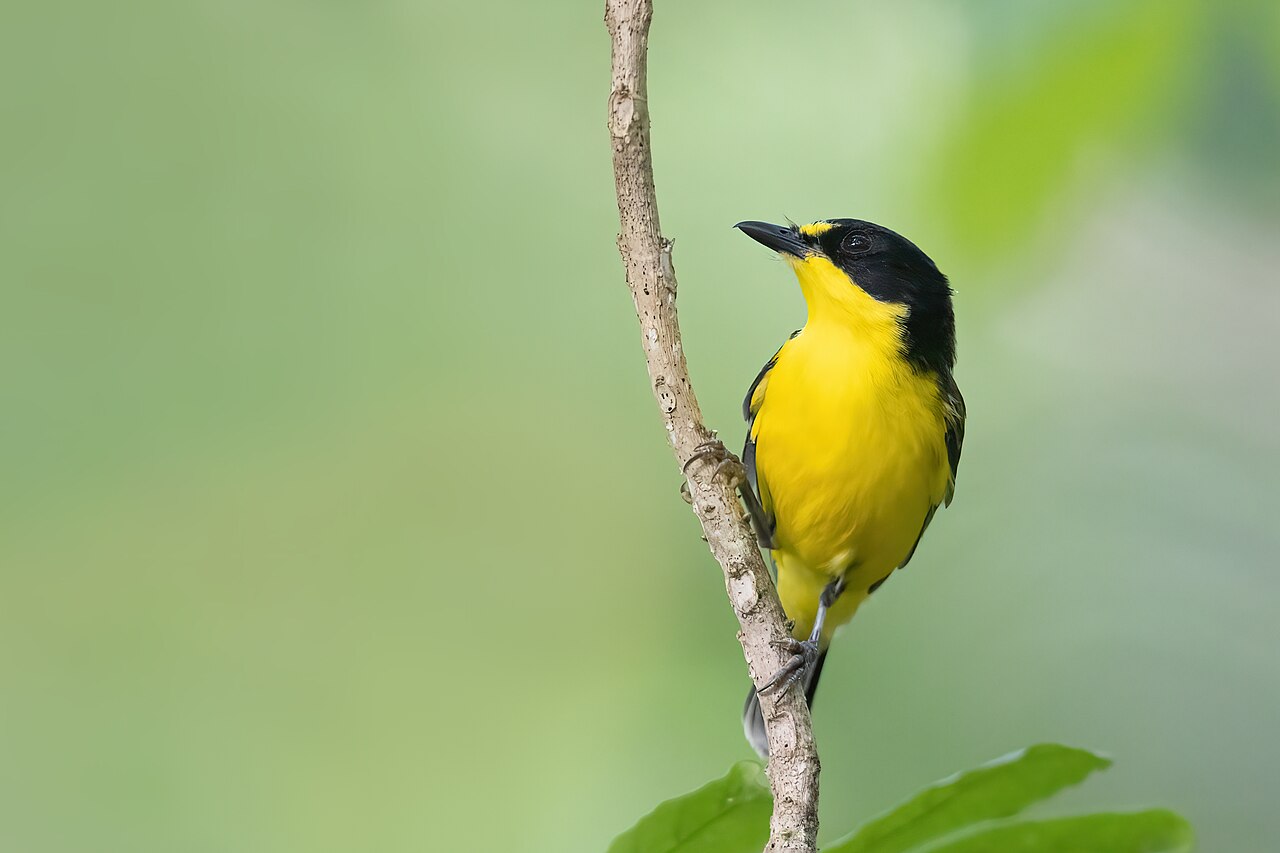
The yellow-throated bush sparrow, also known as the yellow-throated petronia, is a species of bird in the sparrow family Passeridae. It is found in south-central and southern Africa in its natural habitats of subtropical or tropical dry forests, dry savanna, and subtropical or tropical dry shrubland.
Region
South-central and southern Africa
Typical Environment
Occurs across dry savanna, open woodland, and thorn scrub, including miombo and mopane habitats. It frequents edges of cultivation, villages, and farmsteads where scattered trees and shrubs are present. Avoids dense rainforest and true desert interiors, favoring mosaics of open ground and cover. Often seen near water sources, particularly during the dry season.
Altitude Range
0–2000 m
Climate Zone
Subtropical
Ease of Keeping
Beginner friendly: 2/5
Also called the yellow-throated petronia, this sparrow is a dry-country specialist that often associates with human settlements and waterholes. The yellow throat patch is most evident in breeding birds and helps with quick field identification. It forages in small, chatty groups and will readily join mixed-species flocks in savanna woodlands. Nests are typically placed in tree cavities or crevices, and it may use thatch on rural buildings.

Temperament
social and active
Flight Pattern
short rapid wingbeats
Social Behavior
Usually in pairs or small groups, forming looser flocks outside the breeding season. Often joins mixed-species foraging parties in open woodland. Nests in cavities in trees or structures, with both parents attending the young.
Migratory Pattern
Resident
Song Description
A series of chirps and short, buzzy trills delivered from a perch. Calls are sharp, sparrow-like chips used to keep contact within small groups.
Plumage
Warm brown, lightly streaked upperparts with paler, buffy underparts and a distinct yellow throat patch. The face shows a pale supercilium and darker eye-line, with plain wings lacking bold bars. Overall sparrow-like, compact, and subtly patterned.
Diet
Primarily takes grass seeds and grains gleaned from the ground and low vegetation. Supplements diet with insects such as beetles, termites, and caterpillars, especially during breeding. Will also consume buds and small berries when available.
Preferred Environment
Feeds on open ground, along track edges, and beneath shrubs and trees. Common around water points, village margins, and fields where spilt grain and seeds are accessible.