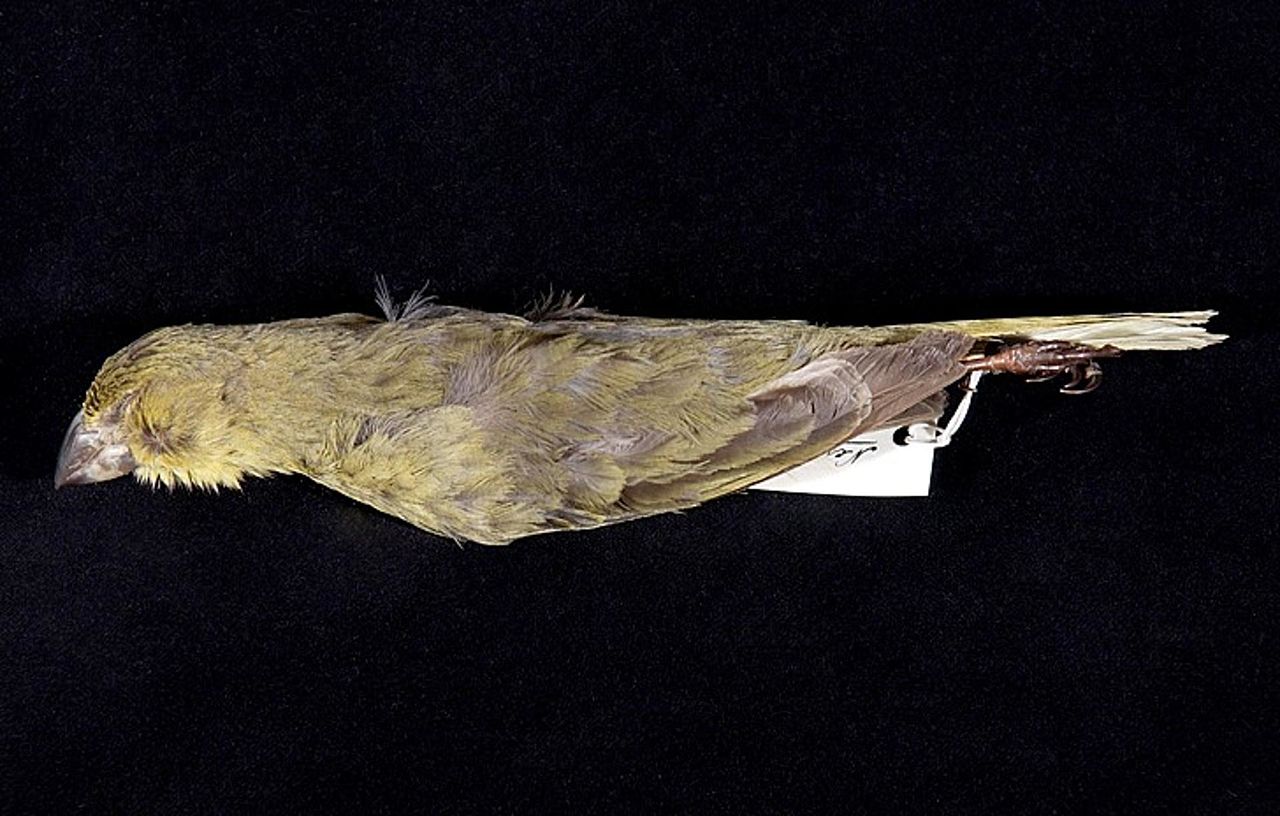
Wied's tyrant-manakin is a Near-threatened species of bird in the family Pipridae, the manakins. It is endemic to Brazil.
Region
Atlantic Forest, eastern Brazil
Typical Environment
Primarily inhabits the dense understory of moist lowland and foothill Atlantic Forest, including both mature and well-developed secondary growth. It also uses forest edges and shaded cacao agroforests (cabruca) where native canopy remains. Birds keep close to thickets, vine tangles, and bamboo patches, moving quietly and remaining inconspicuous. Local distribution is patchy, tracking intact forest fragments.
Altitude Range
Sea level to 800 m
Climate Zone
Tropical
Ease of Keeping
Beginner friendly: 1/5
Wied's tyrant-manakin is a secretive understory manakin of Brazil's Atlantic Forest and is considered Near Threatened due to habitat loss. Unlike many showy manakins, males do not perform elaborate leks and the species looks more flycatcher-like, reflecting its placement in the genus Neopelma. It was named in honor of the naturalist Prince Maximilian of Wied-Neuwied.


Temperament
shy and secretive
Flight Pattern
short rapid wingbeats through the understory
Social Behavior
Typically solitary or in pairs, sometimes joining mixed-species flocks in the understory. Males may defend discreet display or song perches but do not form conspicuous leks. The nest is a small cup placed low in dense vegetation, and both parents are thought to contribute to care. Breeding coincides with the wetter season when fruit and insects are abundant.
Migratory Pattern
Resident
Song Description
Utterances are soft and high-pitched, consisting of thin whistles, trills, and short buzzy notes given from concealed perches. Calls are repetitive but subdued, carrying short distances in dense foliage.
Plumage
Mostly olive-green above with paler yellow-olive underparts and a subtly warmer buffy wash on the throat and belly. Feathers are plain with a soft, matte texture; wings and tail are darker olive-brown without strong bars. Males show a subdued yellowish to golden forecrown; females are similar but duller.
Diet
Omnivorous, taking small fruits and berries as well as insects and other small arthropods. It gleans prey from leaves and twigs and occasionally sallies a short distance to snatch flying insects. Fruits are usually swallowed whole and seeds dispersed in droppings. Foraging is methodical and quiet within a few meters of the ground.
Preferred Environment
Feeds in dense understory and midstory tangles, vine-laden thickets, and along shaded forest trails and streams. Often uses shaded cacao plantations with retained native canopy where fruiting trees are available.