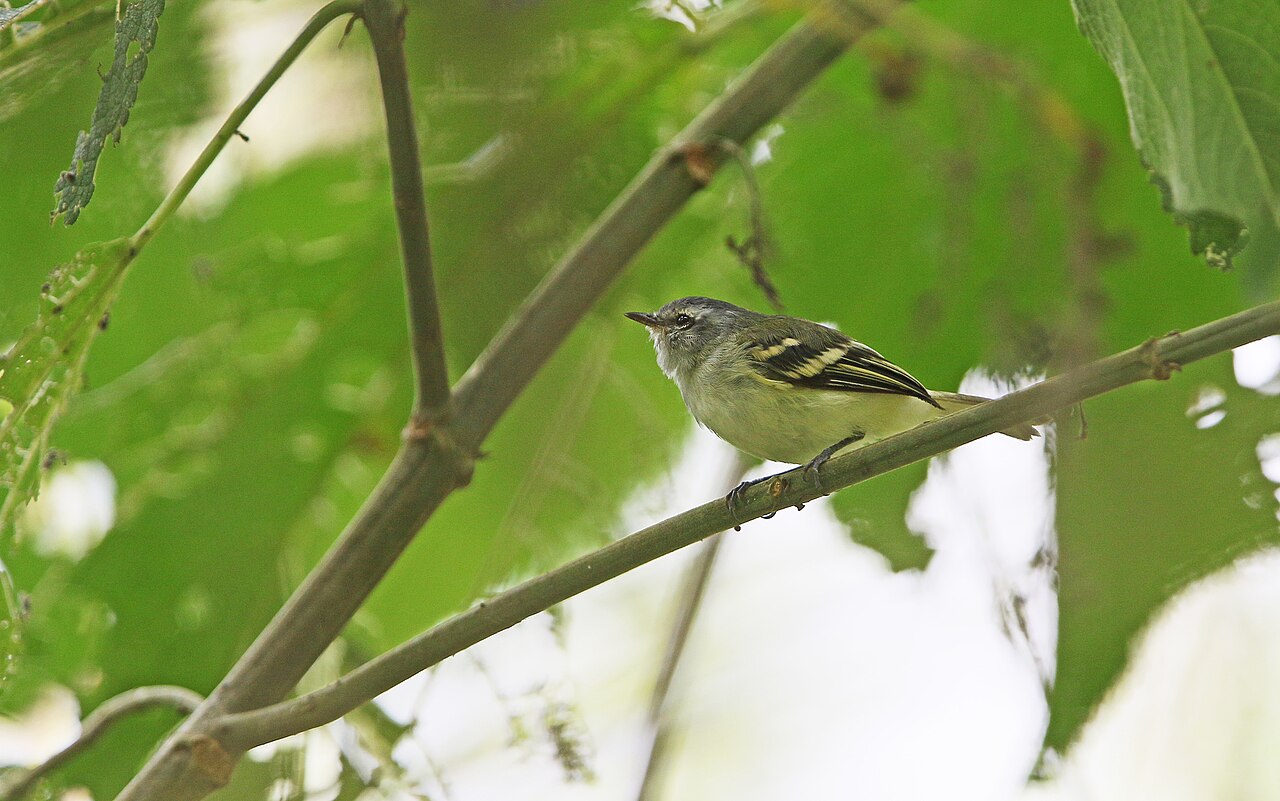
The white-tailed stonechat is a species of bird in the family Muscicapidae.
Region
South Asia
Typical Environment
Occurs from southern and eastern Pakistan through northern and central India into the Nepal Terai and Bangladesh, favoring lowland wetlands and adjacent grasslands. It is closely associated with marsh edges, reedbeds, wet meadows, and seasonally flooded fields, including rice paddies. The species uses scattered shrubs and reed stems as hunting perches and nesting cover. Local movements may occur with seasonal flooding and drying of wetlands.
Altitude Range
Sea level to 1200 m
Climate Zone
Subtropical
Ease of Keeping
Beginner friendly: 1/5
The white-tailed stonechat is a small flycatcher of wet grasslands and marshy edges across the Indus–Gangetic plains. Males are striking with a mostly white tail that shows a dark central wedge, a key field mark among stonechats. They often perch on reeds and low shrubs, flicking the tail while sallying out to catch insects. Drainage and conversion of wetlands can locally impact its habitat, though the species remains broadly common.

Temperament
alert and territorial
Flight Pattern
short rapid wingbeats with quick sallies
Social Behavior
Typically encountered singly or in pairs, especially during the breeding season when territories are defended from prominent perches. Nests are placed low in dense grass or reeds, often well concealed near water. Both parents feed the nestlings, and post-fledging families remain loosely associated for a short period.
Migratory Pattern
Partial migrant
Song Description
Song is a soft, varied warble interspersed with sharper chat-like notes. Calls include characteristic sharp 'tac-tac' clicks and thin whistles, often given while tail-flicking from a perch.
Plumage
Male in breeding plumage shows dark head and upperparts with a rich rufous breast, white rump, and a mostly white tail with a dark central wedge; non-breeding males duller. Females are brownish with paler buff underparts and subtle streaking, showing the distinctive white rump and largely white tail when spread. Both sexes have compact, sleek feathers suited to frequent aerial sallies.
Diet
Feeds mainly on insects such as beetles, grasshoppers, caterpillars, and flies, and also takes spiders and other small arthropods. Prey is captured by short aerial sallies from a perch or gleaned from vegetation and the ground. It occasionally picks small seeds or other plant matter, especially outside the breeding season.
Preferred Environment
Forages along marsh edges, in wet grasslands, and among reedbeds and sedge tussocks. Frequently uses low exposed perches like reed stems, fence posts, or shrubs to spot and launch at prey.