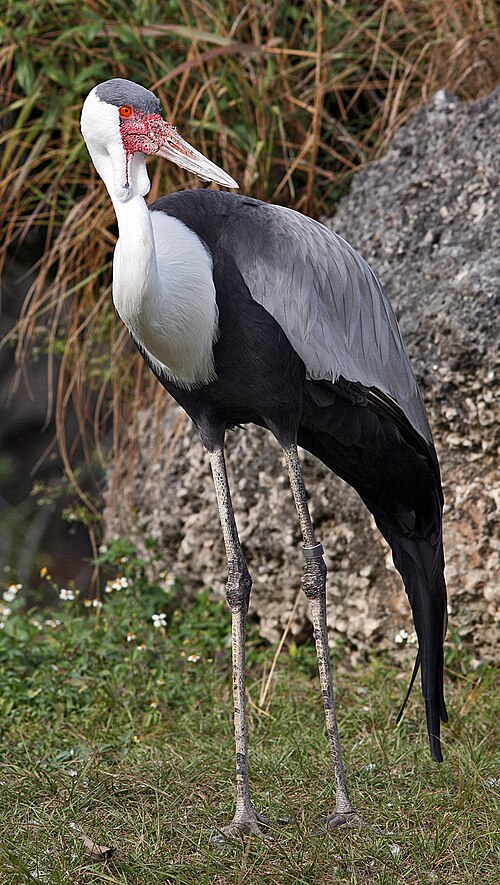
The wattled brushturkey is a species of bird in the family Megapodiidae. It is found in New Guinea. Its natural habitats are subtropical or tropical moist lowland forest and subtropical or tropical moist montane forest.
Region
New Guinea
Typical Environment
Occurs throughout much of New Guinea in primary and secondary tropical forests, from lowland rainforests to montane cloud forests. It favors dense understory and areas with deep leaf litter where it forages and constructs incubation mounds. Often found along forest edges, ridgelines, and near streams or ravines. The species avoids open savannas but may visit gardens and disturbed forest close to villages. Nest mounds are typically sited in well-drained places with abundant organic material.
Altitude Range
Sea level to 3000 m
Climate Zone
Tropical
Ease of Keeping
Beginner friendly: 1/5
The wattled brushturkey is a mound‑nesting megapode that incubates its eggs using heat from decomposing vegetation rather than body warmth. Males build and tend large incubation mounds and adjust their temperature by adding or removing material. Chicks hatch fully feathered and independent, capable of flight shortly after leaving the mound. It is shy and mostly terrestrial, spending much of its time scratching through leaf litter.


Original drawing of Aepypodius arfakianus, 1881

Temperament
shy and wary
Flight Pattern
short rapid wingbeats; reluctant flier
Social Behavior
Largely solitary or in loose pairs outside the breeding season. Males maintain large incubation mounds used by multiple females; they regulate mound temperature by adding or removing litter. There is no parental care after egg laying; chicks dig out and are independent immediately. Territorial disputes around mounds involve displays rather than prolonged fights.
Migratory Pattern
Resident
Song Description
Vocalizations are low, resonant booms, grunts, and hoarse cackles, often delivered at dawn or dusk near the mound. Alarm calls are harsher and more staccato when disturbed.
Plumage
Primarily dark, matte to slightly glossy, with coarse, loose-textured body feathers and a rounded tail. Head and neck largely bare with a fleshy, pendant wattle.
Diet
Feeds on fallen fruits, seeds, and shoots, supplemented by insects, earthworms, snails, and other invertebrates. It scratches through leaf litter with strong feet to uncover food. Opportunistically takes small vertebrates or carrion when available. Seasonal fruiting events can concentrate feeding near particular trees.
Preferred Environment
Forages on the forest floor in dense understory, along trails, and at forest edges. Frequently works around rotting logs and litter piles where invertebrates are abundant, including near its nesting mounds.