The water rail, western water rail or European water rail is a bird of the rail family which breeds in well-vegetated wetlands across Europe, Asia and North Africa. Northern and eastern populations are migratory, but this species is a permanent resident in the warmer parts of its breeding range. The adult is 23–28 cm (9–11 in) long, and, like other rails, has a body that is flattened laterally, allowing it easier passage through the reed beds it inhabits. It has mainly brown upperparts and blue-grey underparts, black barring on the flanks, long toes, a short tail and a long reddish bill. Immature birds are generally similar in appearance to the adults, but the blue-grey in the plumage is replaced by buff. The downy chicks are black, as with all rails. The former subspecies R. indicus has distinctive markings and a call that is very different from the pig-like squeal of the western races, and is now usually split as a separate species, the brown-cheeked rail.
Region
Europe, North Africa and Western Asia
Typical Environment
Occurs in well-vegetated wetlands including reedbeds, marshes, fens, and the margins of lakes, rivers, and ditches. Prefers areas with dense emergent vegetation interspersed with shallow water and muddy edges for foraging. In winter it also uses coastal reedbeds, brackish marshes, and sheltered estuaries. It avoids large expanses of open water, favoring cover for protection and feeding. During migration it follows wetland corridors and can appear in small, vegetated urban waterways.
Altitude Range
Sea level to 2000 m
Climate Zone
Temperate
Ease of Keeping
Beginner friendly: 1/5
The water rail is a secretive marsh bird that slips through dense reedbeds thanks to its laterally compressed body. Its call is famously described as a pig-like squeal, often betraying its presence when the bird remains unseen. Northern populations migrate to milder climates in winter, while those in warmer regions are year-round residents. Formerly grouped with Asian populations, the brown-cheeked rail is now treated as a separate species.


Head of the nominate subspecies, R. a. aquaticus

R. a. korejewi
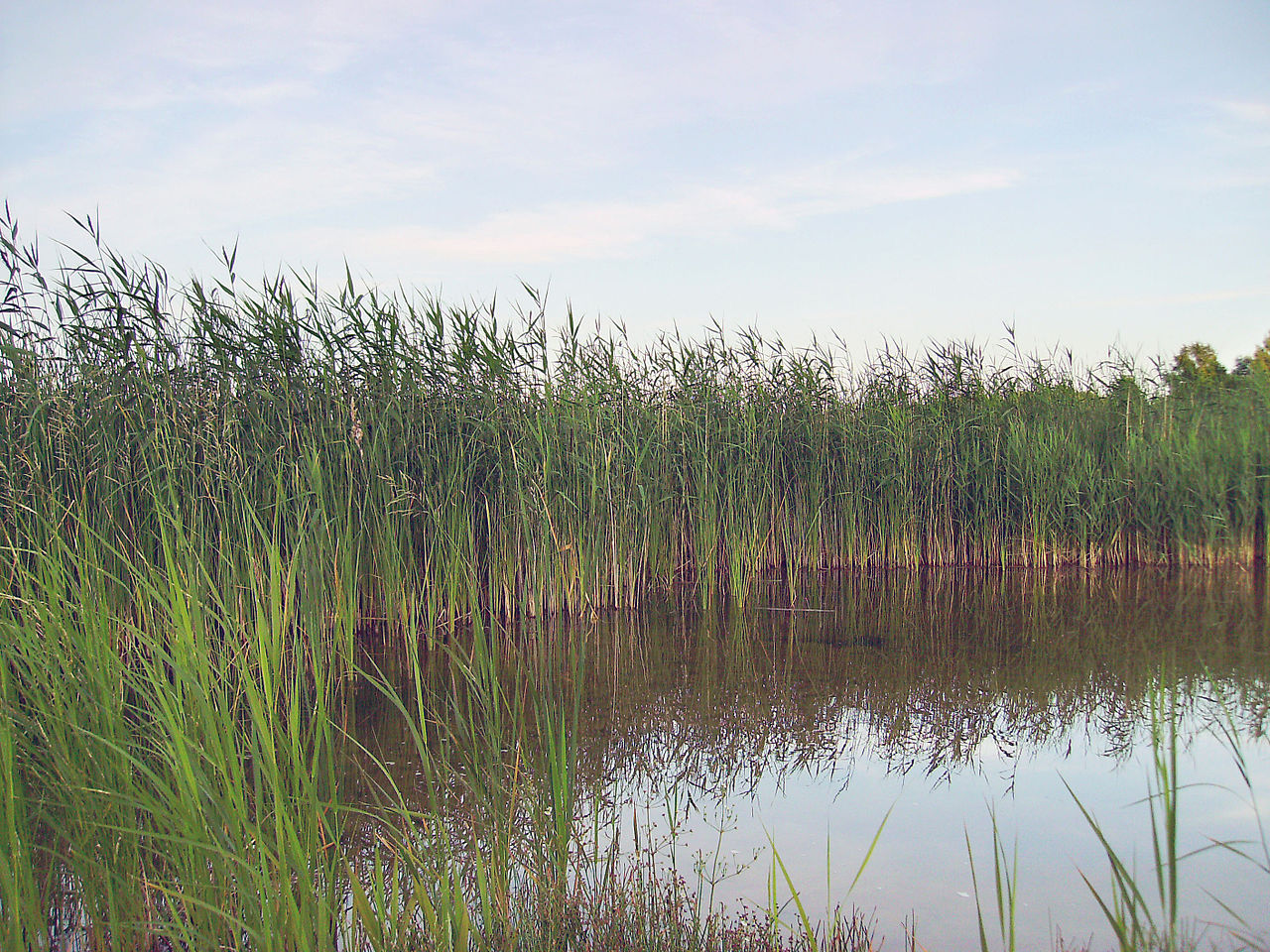
Common reed is an important habitat for breeding and wintering.

Egg
![The marshes at Parkgate, Cheshire may hold hundreds of water rails in winter.[43]](https://upload.wikimedia.org/wikipedia/commons/thumb/c/c7/Parkgatemarsh.jpg/500px-Parkgatemarsh.jpg)
The marshes at Parkgate, Cheshire may hold hundreds of water rails in winter.[43]
![Borrelia burgdorferi spirochaetes shown by dark-field microscopy. Rails can be infected with this bacterial species, which can be transmitted to humans via tick bites causing Lyme disease.[48]](https://upload.wikimedia.org/wikipedia/commons/thumb/f/f3/Borrelia_burgdorferi_%28CDC-PHIL_-6631%29_lores.jpg/1280px-Borrelia_burgdorferi_%28CDC-PHIL_-6631%29_lores.jpg)
Borrelia burgdorferi spirochaetes shown by dark-field microscopy. Rails can be infected with this bacterial species, which can be transmitted to humans via tick bites causing Lyme disease.[48]

Introduced predators, such as the American mink, have caused marked declines in populations of rails and other ground-nesting birds.
Temperament
secretive and territorial
Flight Pattern
short rapid wingbeats, low and fluttering over vegetation
Social Behavior
Generally solitary or in pairs during the breeding season, holding well-defined territories within dense reedbeds. Nests are hidden platforms of vegetation above shallow water; both sexes participate in incubation and chick rearing. Downy chicks are black and leave the nest soon after hatching, following parents through cover.
Migratory Pattern
Partial migrant
Song Description
Vocalizations include sharp 'ticking' notes, grunts, and a distinctive pig-like squeal or 'sharming' scream. Calls often carry at dawn and dusk and are more frequently heard than the bird is seen.
Plumage
Upperparts are warm brown with darker streaking; underparts are blue-grey with bold black-and-white barring on the flanks. The body is laterally compressed with a short, often cocked tail showing pale undertail coverts. Feathers appear smooth and sleek, aiding movement through reeds.
Diet
Feeds on aquatic invertebrates such as insects, worms, snails, and crustaceans, as well as small fish, amphibians, and occasionally eggs or carrion. Also takes seeds and other plant matter, especially in winter. Forages by probing soft mud and picking prey from water surfaces and vegetation, using its long bill to reach into tight spaces.
Preferred Environment
Typically feeds along muddy margins, in shallow water within dense reeds, and at the edges of ditches and pools. Seeks areas with cover to remain concealed while foraging, venturing briefly into more open patches at safe distances from shelter.