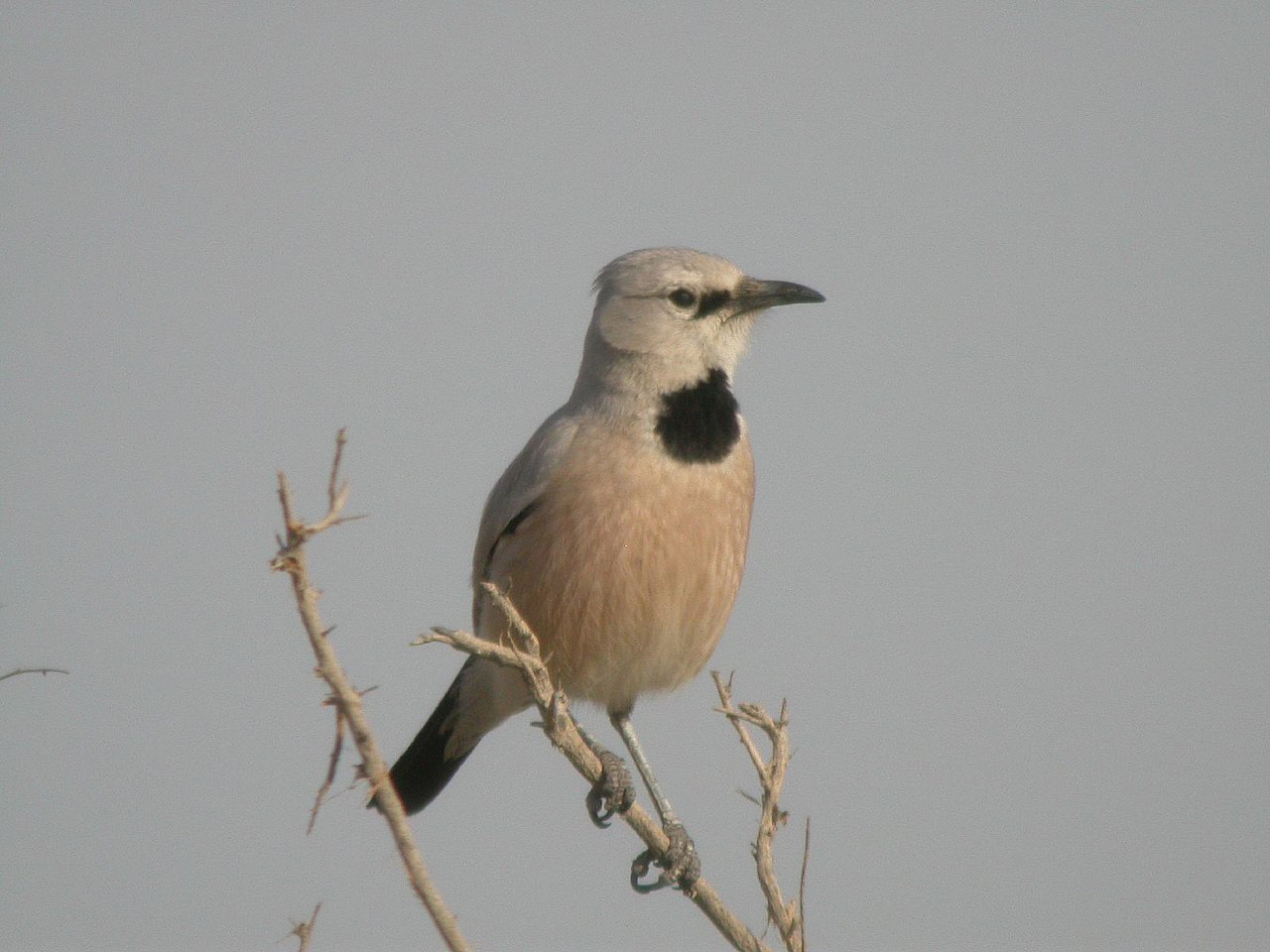
Turati's boubou is a species of bird in the family Malaconotidae. It is found in Guinea, Guinea-Bissau, and Sierra Leone. Its natural habitat is moist savanna.
Region
Upper Guinea, West Africa
Typical Environment
Occurs from coastal Guinea-Bissau through Guinea to Sierra Leone, mainly in moist savanna mosaics and dense secondary scrub. It is common along forest edges, gallery woodland, riparian thickets, and overgrown plantations. The species often uses mangrove margins and coastal bush but avoids the interiors of dense primary forest and very open arid grasslands. It favors ecotones where shrubs and small trees provide cover and song perches.
Altitude Range
Sea level to 1000 m
Climate Zone
Tropical
Ease of Keeping
Beginner friendly: 1/5
Turati's boubou is a secretive bushshrike famed for its antiphonal duets, where a pair sings in rapid call-and-response that can sound like a single bird. It frequents dense thickets and ecotones, often remaining hidden while calling loudly. By feeding on insects and other small prey, it helps control invertebrate populations around farms and villages. The species is non-migratory within its West African range.
Temperament
solitary and territorial
Flight Pattern
short rapid wingbeats
Social Behavior
Usually found in pairs that defend small territories year-round. Pairs perform coordinated duets and stay in dense cover while foraging. Nest is a small cup placed low in shrubs or tangles, with both sexes contributing to care of the young.
Migratory Pattern
Resident
Song Description
Duets are loud, rich whistles and clucks given in rapid alternation, sounding like one bird. Calls include sharp chacks and mellow whistles, often delivered from within thick cover.
Plumage
Glossy black upperparts with clean white underparts and flanks lightly washed buff; prominent white wing patch and edges. Tail is long and black with white outer edges, and the under-tail can show a pale wash. Feathers are sleek and close-fitting, giving a smooth, well-defined contrast between dark upperparts and pale underparts.
Diet
Primarily hunts insects such as beetles, caterpillars, grasshoppers, and spiders taken by gleaning or short dashes from cover. It may also take small lizards or frogs on occasion and occasionally samples small fruits. Foraging is methodical, with frequent pauses to listen before pouncing.
Preferred Environment
Feeds in dense shrubbery, along hedgerows, riparian thickets, secondary growth, and plantation edges. Often works low to mid-levels, rarely venturing into open ground.