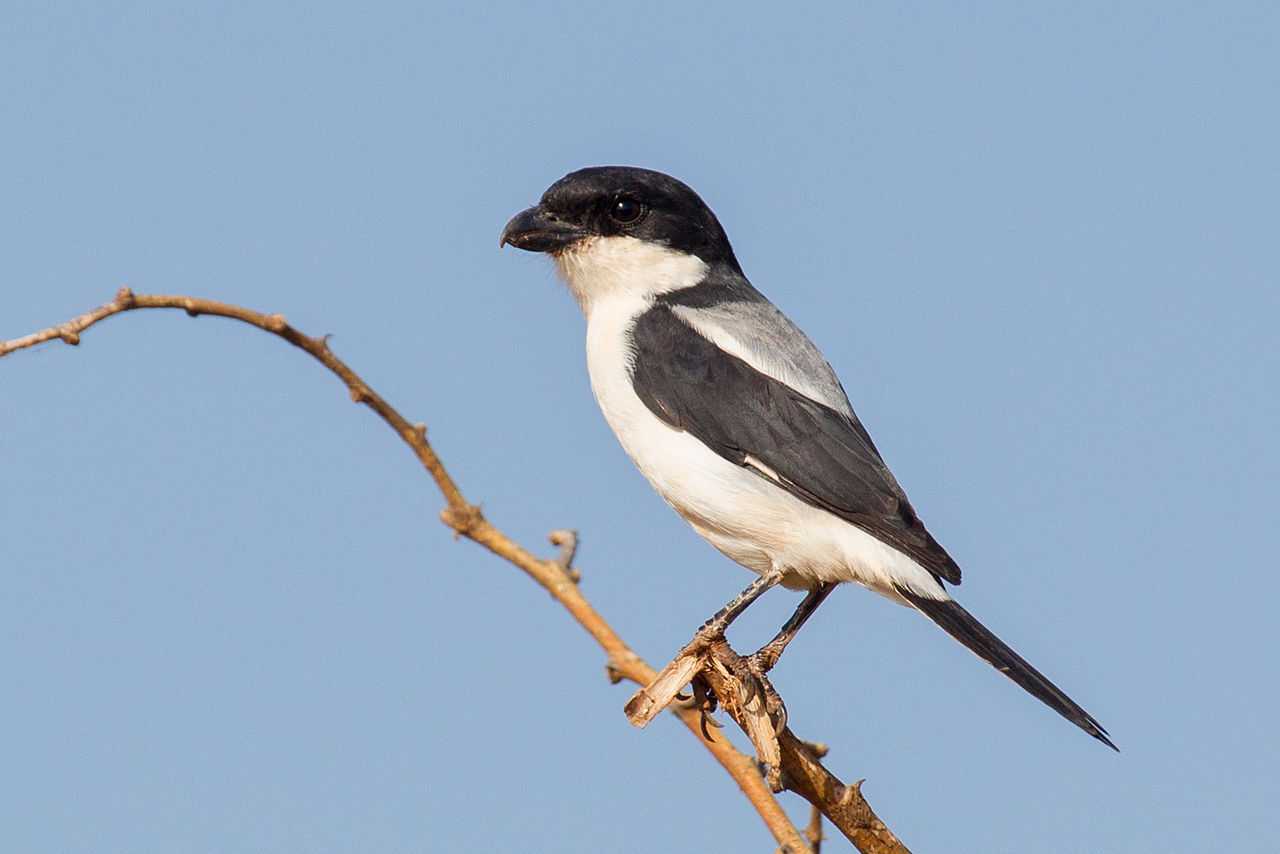
The Tahiti swiftlet or Polynesian swiftlet is a species of swift in the family Apodidae. While often compared to the Marquesan Swiftlet, this bird is often more pale faced. The subspecies is the Monotypic which means it does not include a subspecies.
Region
French Polynesia
Typical Environment
Occurs in the Society Islands, where it forages above forests, valleys, river corridors, and coastal zones. It nests colonially on cliff faces and in caves, including lava tubes and deeply shaded crevices. Birds commute between nesting caves and nearby feeding areas, often following terrain contours. Human disturbance and introduced predators can limit available safe nesting sites.
Altitude Range
Sea level to 1800 m
Climate Zone
Tropical
Ease of Keeping
Beginner friendly: 1/5
Also called the Polynesian swiftlet, it is a cave‑nesting swift endemic to the Society Islands of French Polynesia. It is noted for a paler face compared to the closely related Marquesan swiftlet and is considered monotypic, with no recognized subspecies. Like several Aerodramus swiftlets, it can use simple echolocation clicks to navigate in dark roosting and nesting sites.
Temperament
social and active
Flight Pattern
rapid, scything flight with quick, shallow wingbeats; highly agile aerialist
Social Behavior
Forms loose feeding flocks in the air and nests colonially in caves or on shaded cliff ledges. The nest is a small cup of plant fibers bound with saliva attached to rock. Pairs are monogamous during the breeding season and attend the nest frequently. Echolocation clicks are used within dark roosts to avoid collisions.
Migratory Pattern
Resident
Song Description
Vocalizations consist of high, thin chips and twittering trills exchanged in flight. Inside caves, birds emit sharper, clicking notes that function as simple echolocation signals.
Plumage
Sooty-brown to dark grey overall with slightly paler underparts and a diffusely pale face and throat. Feathers appear smooth and uniform, lacking strong patterning; tail is short and near-square. Wings are long and scythe-like, built for fast, agile flight.
Diet
Feeds almost entirely on small aerial insects such as flies, midges, beetles, ants, and termites. It captures prey on the wing, often over canopy openings, along ridgelines, and above water where insects concentrate. During overcast or calm conditions, it may forage lower over streams and meadows. Food is carried back to nestlings as boluses formed in the throat.
Preferred Environment
Most frequently hunts above native and secondary forest, river valleys, and coastal plains. It also forages along edges, over villages, and near cliffs adjacent to nesting sites when insect swarms are present.