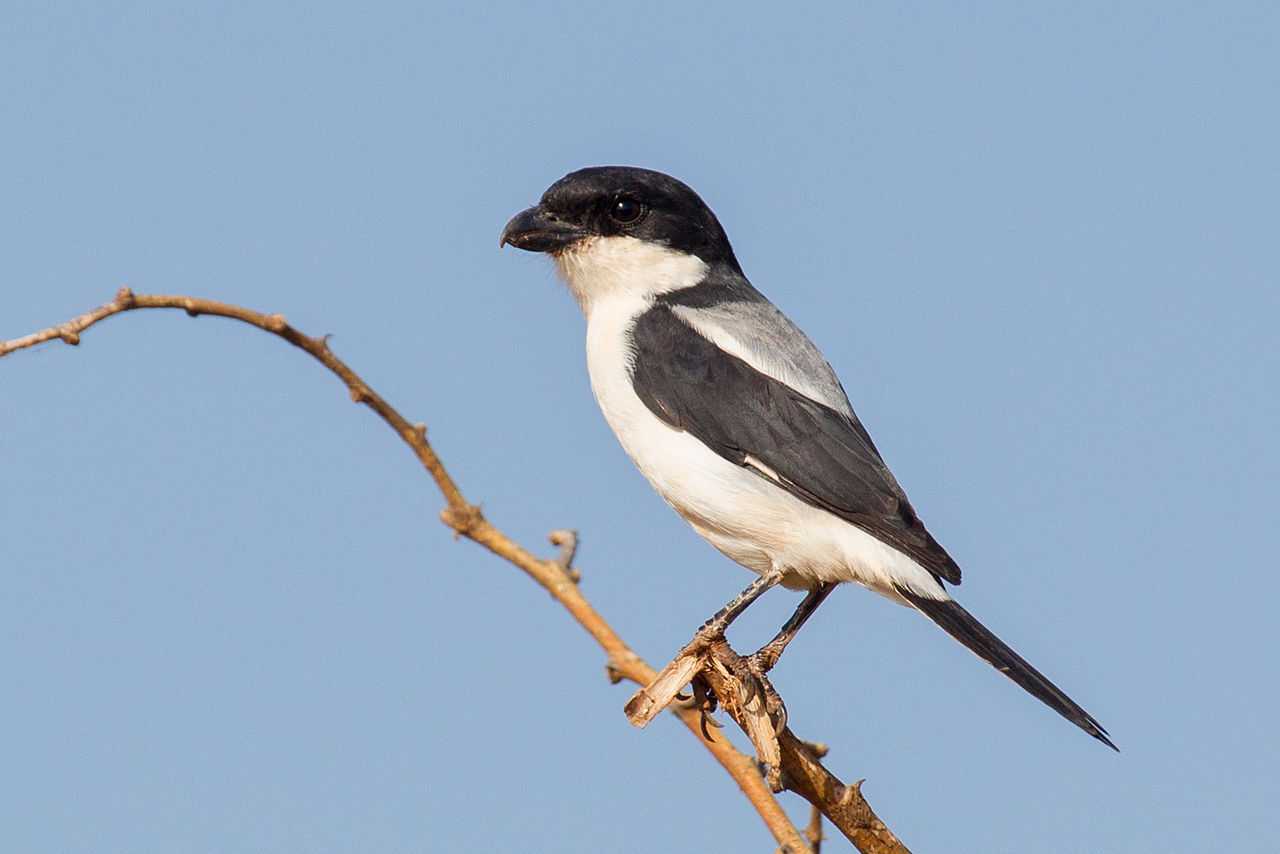
The Taita falcon is a small falcon found in central and eastern Africa. It was first described from the Taita Hills of Kenya from which it derives its name.
Region
Eastern and Southern Africa
Typical Environment
Occurs patchily from the Ethiopian highlands south through Kenya and Tanzania to Malawi, Zimbabwe, Mozambique, and adjacent regions. It is closely associated with rugged cliffs, escarpments, and river gorges where sheer rock faces provide nesting ledges. Birds often forage along forest edges and open montane savannas near these cliffs. Pairs are highly localized and may occupy traditional sites for many years, leading to a scattered distribution. Proximity to permanent watercourses is common, likely due to concentrations of aerial prey.
Altitude Range
600–2500 m
Climate Zone
Highland
Ease of Keeping
Beginner friendly: 1/5
This scarce cliff-nesting falcon is named after Kenya’s Taita Hills, where it was first described. It favors steep gorges and escarpments and often hunts over rivers, taking swift-flying birds on the wing. Its population is small and fragmented, and it is sensitive to disturbance at nest sites. Habitat loss, reduced prey, and human encroachment contribute to ongoing declines.


Temperament
solitary and territorial
Flight Pattern
fast, agile flier with rapid wingbeats and steep stooping dives
Social Behavior
Usually seen singly or in pairs that defend cliff territories. Nests on narrow ledges or in recesses on vertical rock faces, typically without added nesting material. Clutches are small, and both adults attend the nest and aggressively mob intruders. Pairs may reuse traditional nesting sites for many years.
Migratory Pattern
Resident
Song Description
Vocalizations include sharp, repetitive kak-kak and chittering alarm calls near the nest. Calls are high-pitched and carry well across cliffs and gorges, especially during territorial disputes. Generally quiet away from nesting areas.
Plumage
Upperparts dark slate-grey with a contrasting pale throat and rich rufous underparts marked with dark streaking. The head shows a distinct dark moustachial stripe and paler cheeks. Wings are long and pointed; tail moderately long and barred.
Diet
Feeds mainly on small to medium-sized birds such as swifts, swallows, and other aerial species caught in fast pursuit. Also takes bats, large insects like dragonflies, and occasionally small reptiles. Hunting involves swift chases, surprise stoops from height, and rapid contour-flying along cliff faces.
Preferred Environment
Forages over river gorges, escarpments, and open montane savanna adjacent to cliffs. Often hunts along updrafts and thermals near rock faces and over water where aerial prey concentrates.