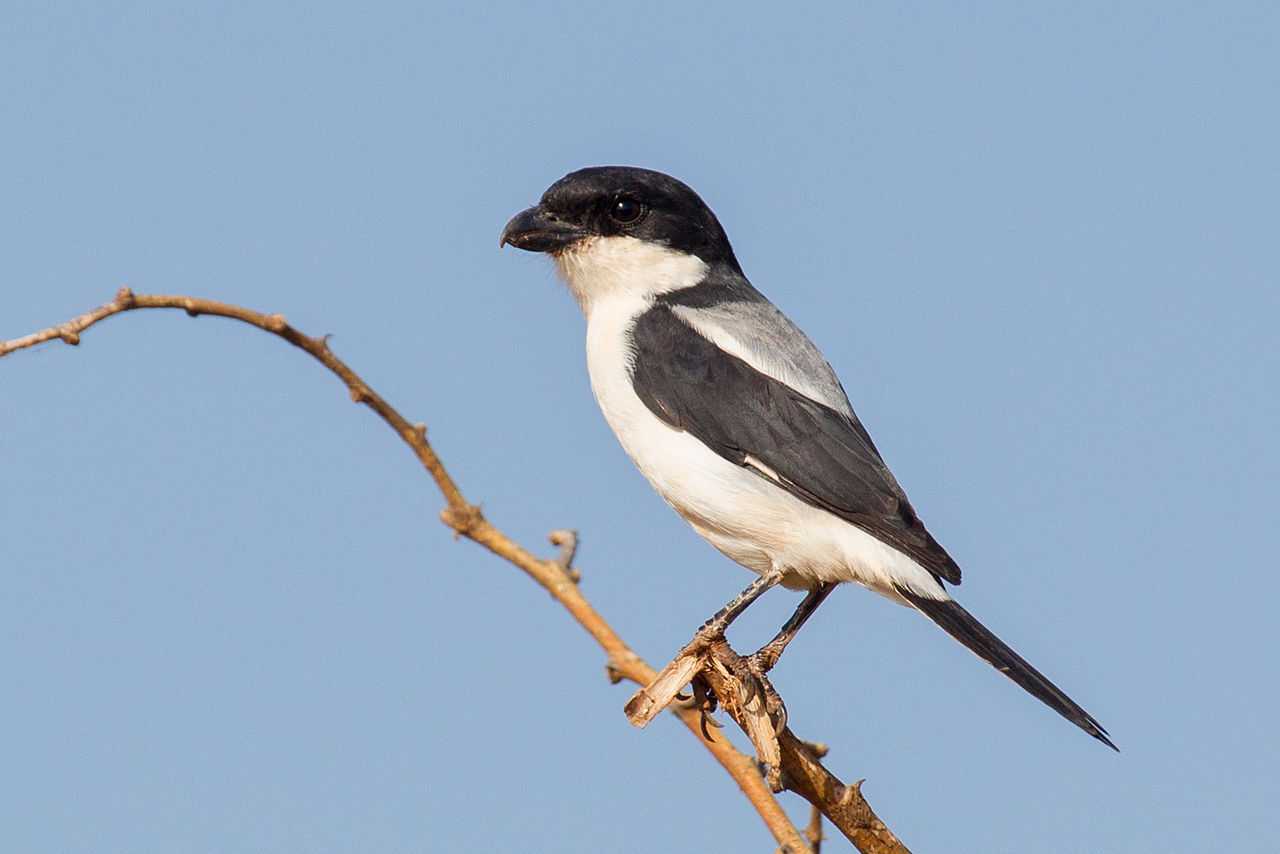
The Tahiti swallow is a small passerine bird in the swallow family Hirundinidae. It is found on the islands of Moorea and Tahiti in French Polynesia. It was formerly considered to be conspecific with the Pacific swallow.
Region
Society Islands
Typical Environment
Occurs on Tahiti and Moorea, frequenting open country, village edges, coastal areas, and river valleys. It often hunts over water bodies, agricultural clearings, and roads where insects concentrate. Nests are commonly built on cliffs, in caves, and on human-made structures such as eaves and bridges. It tolerates disturbed landscapes and thrives in proximity to people.
Altitude Range
Sea level to 1400 m
Climate Zone
Tropical
Ease of Keeping
Beginner friendly: 1/5
This island swallow is confined to Tahiti and Moorea in the Society Islands and was long lumped with the Pacific swallow before being recognized as distinct. It readily uses human structures such as buildings and bridges for nesting. Agile and fast in flight, it helps control flying insects around villages and coastal areas.
Temperament
social and active
Flight Pattern
short rapid wingbeats with brief glides
Social Behavior
Often seen in small groups, especially outside the breeding season, sometimes foraging alongside other aerial insectivores. Pairs are typically monogamous and defend a small area around the nest. Nests are open mud cups lined with fine plant fibers, attached to rock faces or human structures.
Migratory Pattern
Resident
Song Description
Calls are a series of sharp twittering chips and sweet, buzzy trills during flight. Near the nest it gives softer, rapid chatter and contact notes.
Plumage
Glossy blue-black upperparts with a rufous forehead and throat, a faint dark breast band, and pale buff-white underparts. Tail is slightly forked with darker outer feathers and subtle pale spots. Wings are long and pointed with a satiny sheen.
Diet
Feeds almost entirely on small flying insects such as flies, mosquitoes, winged ants, and beetles caught in continuous aerial pursuit. It frequently forages low over water, fields, and roads where insect density is high. During hatches or swarms, it concentrates at localized hotspots and may feed cooperatively with other swallows.
Preferred Environment
Open airspace over lagoons, river mouths, coastal flats, farmland, and village clearings. It also works along forest edges and above canopy gaps where updrafts carry insects.