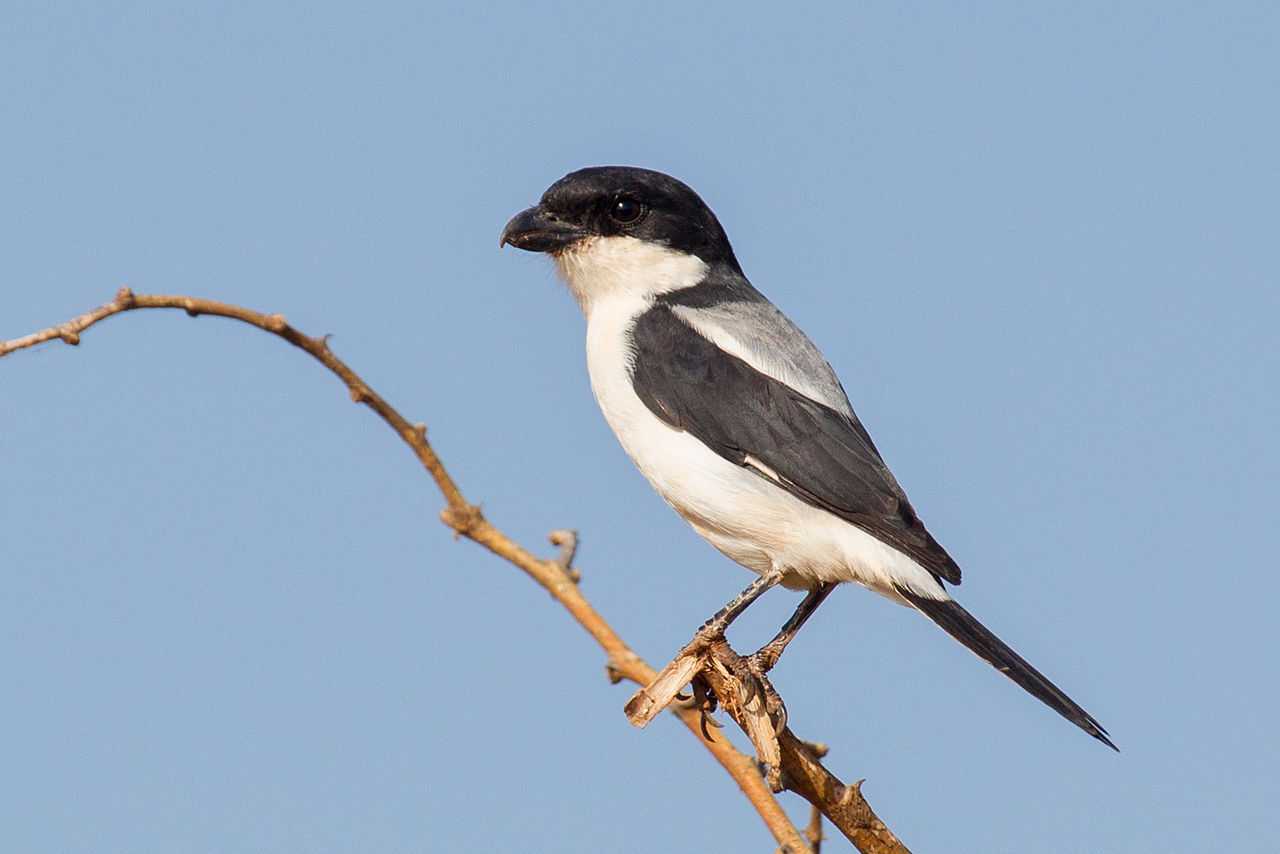
The Tahiti reed warbler is a songbird in the genus Acrocephalus. It used to be placed in the "Old World warbler" assemblage (Sylviidae), but is now in the newly recognized marsh warbler family Acrocephalidae. It is endemic to the island of Tahiti.
Region
Society Islands, South Pacific
Typical Environment
Restricted to the island of Tahiti, where it occupies riparian thickets, reedbeds, and dense secondary growth in valleys and along streams. It frequents bamboo, hibiscus, and other shrubby vegetation, often near water. The species tolerates some disturbance and can occur in overgrown gardens and agricultural edges, but avoids heavily urbanized areas. Remaining strongholds are in less accessible valleys with intact understorey.
Altitude Range
Sea level to 1200 m
Climate Zone
Tropical
Ease of Keeping
Beginner friendly: 1/5
The Tahiti reed warbler is a marsh warbler endemic to Tahiti and now placed in the family Acrocephalidae. It favors dense thickets and riparian vegetation where it gleans insects with a long, pointed bill. Habitat loss and introduced predators such as rats and cats have driven significant declines. Its rich, varied song carries far through valley scrub and secondary growth.


Temperament
solitary and territorial
Flight Pattern
short rapid wingbeats
Social Behavior
Typically seen alone or in pairs during the breeding season, maintaining territories along dense streamside vegetation. Builds a deep cup nest in reeds or low shrubs; both parents incubate and feed the young. Breeding is likely timed with peaks in insect abundance following rains.
Migratory Pattern
Resident
Song Description
A loud, varied warble with rich whistles, chatters, and scolding notes, delivered from concealed perches. Males sing persistently at dawn and throughout the day, with mimicry-like phrases interspersed with harsher calls.
Plumage
Warm brown upperparts with paler buff underparts and a whitish throat; feathers appear plain with minimal streaking.
Diet
Primarily consumes insects such as beetles, caterpillars, orthopterans, and flies, along with spiders. Forages by gleaning from leaves and stems, probing crevices, and occasionally sallying to catch flying prey. May supplement diet with small berries or nectar when insects are scarce.
Preferred Environment
Feeds in dense riparian thickets, reedbeds, and overgrown secondary scrub, often within a few meters of the ground. Frequently works along stream margins, bamboo stands, and edges of small clearings.