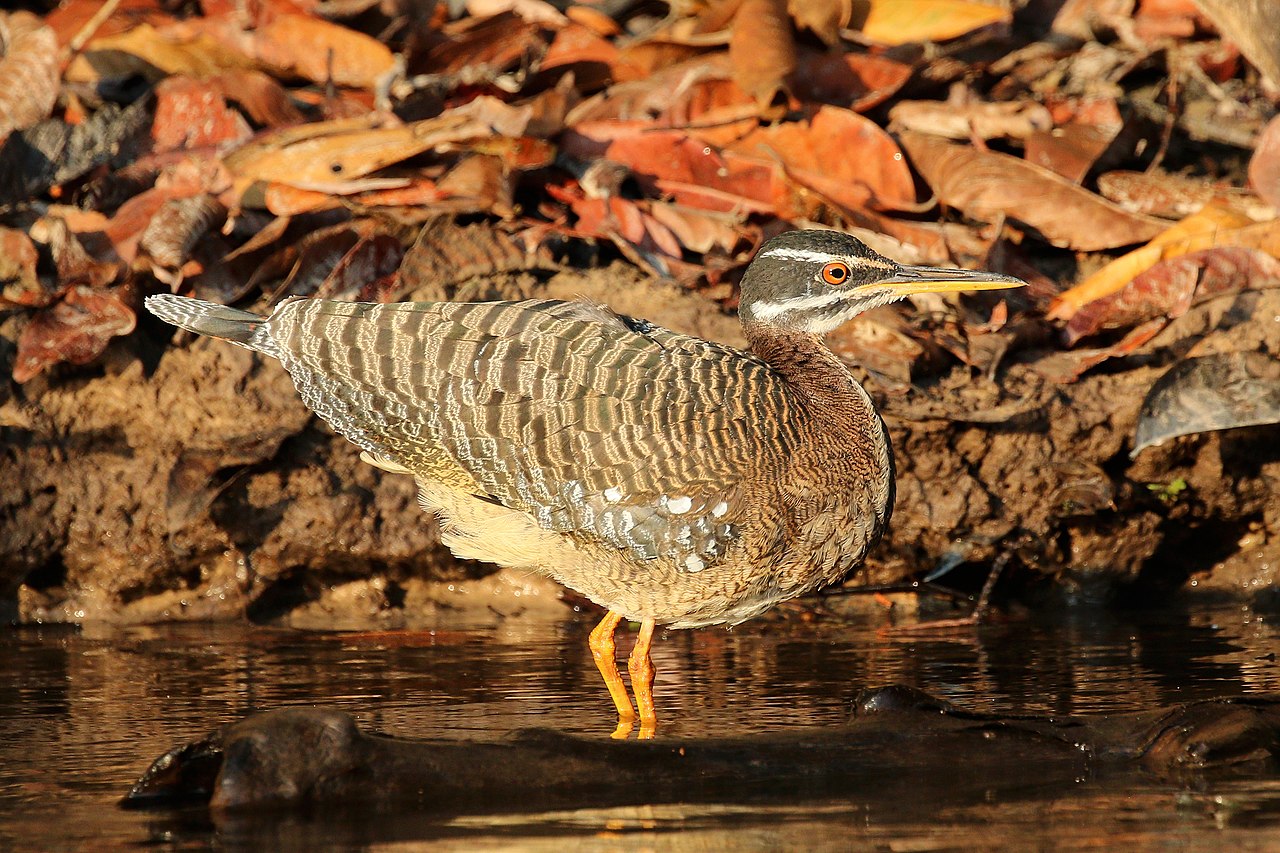
The sun lark or Nigerian sun lark, is a species of lark in the family Alaudidae. Its range extends mainly across the Sudan region, from Guinea to South Sudan. Its natural habitats are dry savannah and subtropical or tropical dry lowland grassland.
Region
Sudan–Sahel belt of West and Central Africa
Typical Environment
Found from Guinea eastward through Burkina Faso, Ghana, Togo, Benin, Niger and Nigeria to Cameroon, Chad, and South Sudan. It favors open, dry savanna and tropical dry grasslands with scattered shrubs, lateritic or stony ground, and burnt or recently grazed patches. Often associated with rocky outcrops, termite mounds, and sparse tree cover. Occurs locally in mosaics of fallow fields and natural grassland.
Altitude Range
0–1700 m
Climate Zone
Tropical
Ease of Keeping
Beginner friendly: 1/5
The sun lark, also called the Nigerian sun lark, is a small, ground-dwelling lark of the West and Central African savannas. It often uses low song-flights and display perches on rocks or termite mounds. During the breeding season it switches to a more insect-rich diet, especially after rains when termites emerge. Its camouflaged plumage makes it easy to overlook on bare, stony ground.


Temperament
solitary and territorial
Flight Pattern
short rapid wingbeats with brief undulating song-flights
Social Behavior
Usually seen singly or in pairs, defending small territories during the breeding season. Nests on the ground in a shallow scrape, often sheltered by a tuft of grass or small stone. Outside breeding, may form small loose groups in suitable foraging areas.
Migratory Pattern
Resident
Song Description
A light, tinkling series of trills and chirps delivered from a low perch or during a short, fluttering display flight. Calls include soft chips and buzzes used in contact and alarm.
Plumage
Sandy to grey-brown upperparts with fine dark streaking; paler buff underparts with light breast streaks. Feathers appear slightly worn and cryptic, blending well with dry grass and soil. Often shows a subtle, short crest that can be raised. Rufous-brown wing panel visible in flight or when wings are slightly spread.
Diet
Eats grass seeds and small invertebrates such as beetles, ants, and termites. In the wet season and during breeding, it takes more insects, especially termite alates after rains. It also picks seeds from bare ground and from grass heads at low height.
Preferred Environment
Forages on the ground in open, sparsely vegetated savanna, on stony lateritic patches, and along paths or lightly grazed areas. Frequently searches around termite mounds and recently burnt ground where prey is exposed.