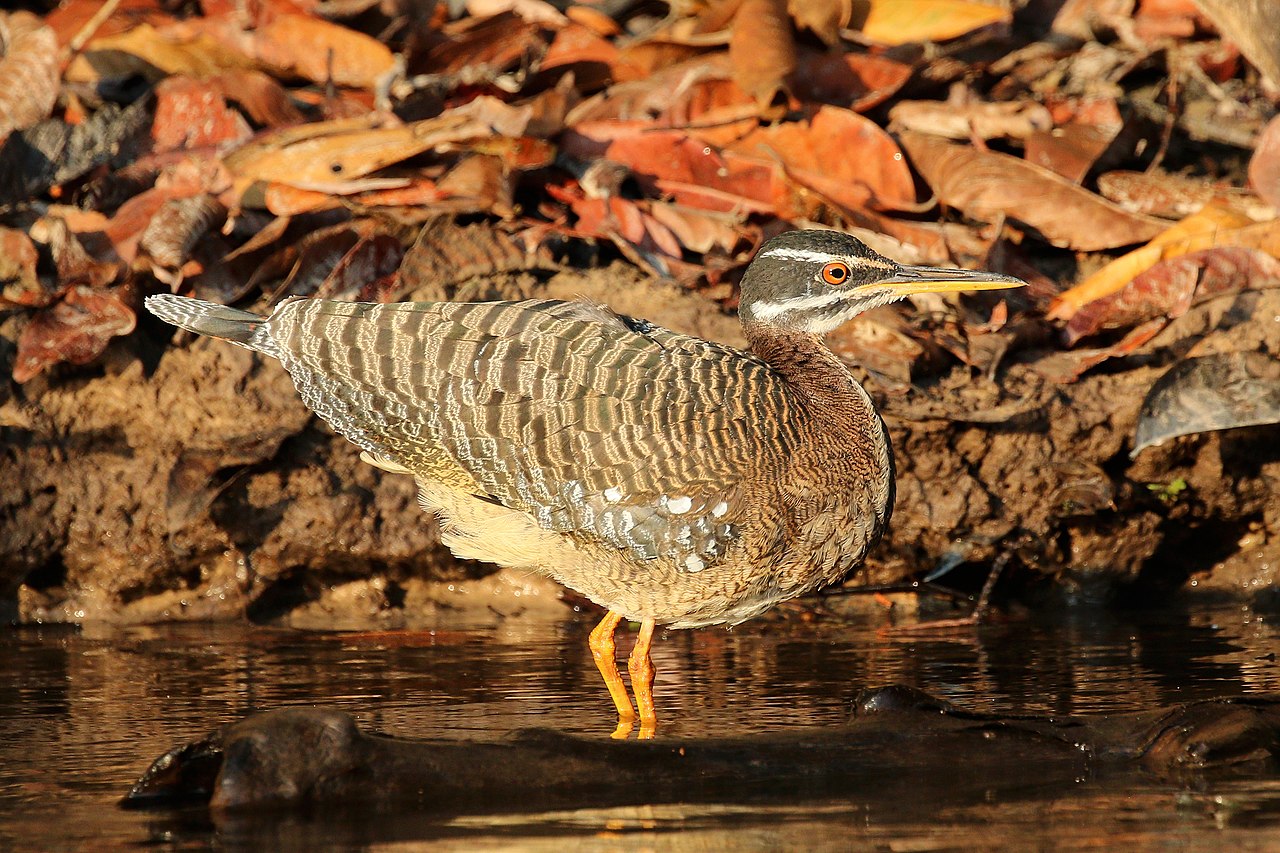
Sumichrast's wren, also known as the slender-billed wren, is a species of bird in the family Troglodytidae. It is endemic to Mexico.
Region
Southeastern Mexico
Typical Environment
This species inhabits limestone and karst landscapes within evergreen and semi-deciduous forests on the Gulf slope of southern Mexico. It favors steep ravines, boulder fields, rocky hillsides, and areas with many crevices and caves. Dense understory and leaf litter near rocks provide foraging sites. It will also use forest edges and second growth when rocky substrates are present. Nesting typically occurs in cavities or crevices among rocks or earthen banks.
Altitude Range
50–1200 m
Climate Zone
Tropical
Ease of Keeping
Beginner friendly: 1/5
Sumichrast's wren, also called the slender-billed wren, is a shy, rock-loving wren with a notably long, thin, slightly decurved bill adapted for probing crevices. It is named after the Swiss-Mexican naturalist François Sumichrast and is found only in parts of Mexico. Its loud, ringing song often reveals its presence in otherwise dense, rugged habitat.


Temperament
secretive and territorial
Flight Pattern
short rapid wingbeats, low to the ground
Social Behavior
Usually found singly or in pairs, maintaining territories in rocky forested areas. Nests are placed in cavities or crevices among rocks or earthen banks; both parents likely participate in care. Family groups may remain together briefly after fledging.
Migratory Pattern
Resident
Song Description
A loud, clear, ringing series of whistles and rich notes delivered from concealed perches among rocks. Calls include sharp chips and scolds when alarmed; pairs may engage in responsive singing.
Plumage
Upperparts warm brown with subtle mottling; underparts grayish to buff with fine barring on the flanks and lower belly. The throat is paler and the tail is short.
Diet
Primarily small invertebrates such as beetles, ants, spiders, and other arthropods. It uses its long bill to probe rock crevices, leaf litter, and bark fissures. Occasional small snails or other soft-bodied prey may be taken; minor fruit intake is possible but not a major component.
Preferred Environment
Forages on or near the ground among rocks, boulders, and dense understory in humid to semi-humid forest. Frequently works along ravines, cave mouths, and rocky slopes where crevices concentrate prey.