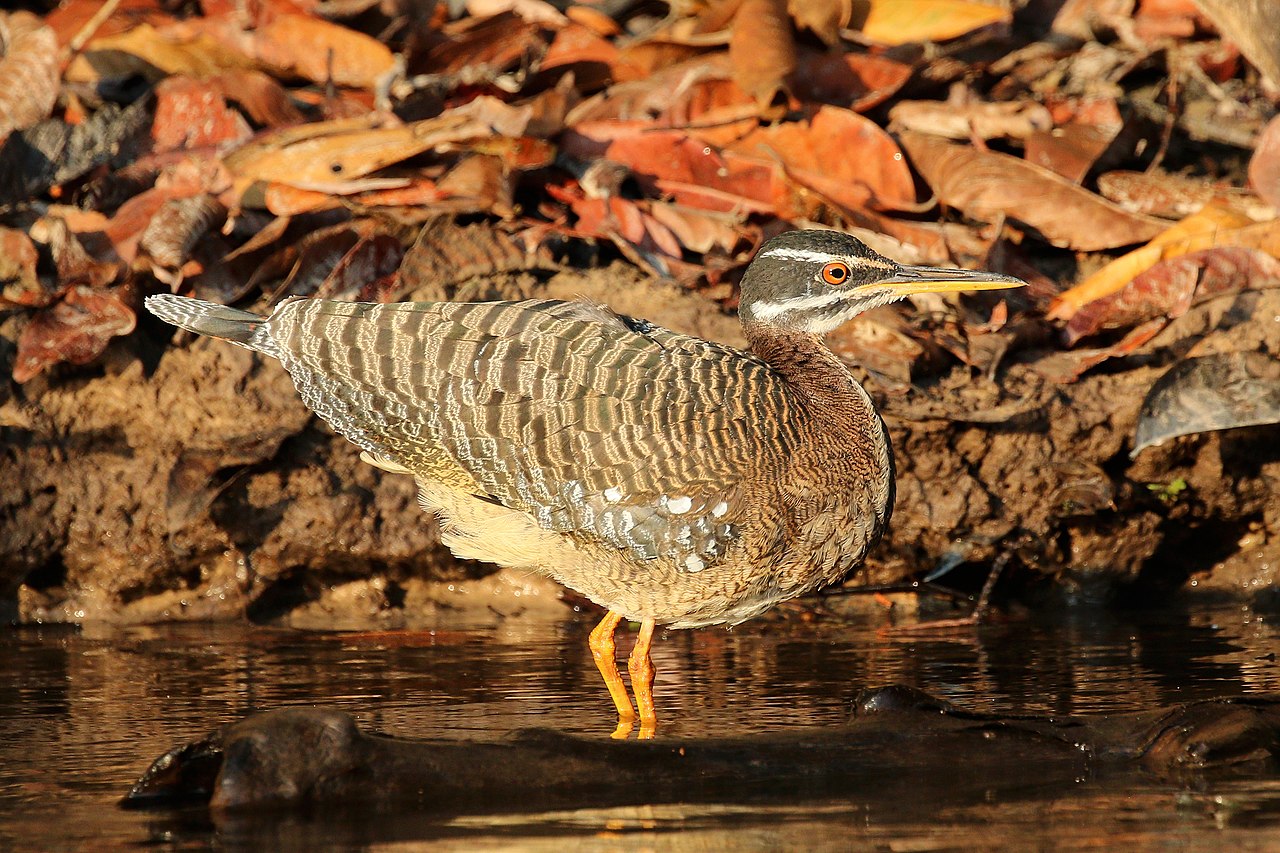
The Sumba jungle flycatcher is a passerine bird in the Old World flycatcher family Muscicapidae that is endemic to Sumba.
Region
Lesser Sunda Islands
Typical Environment
This species is restricted to Sumba, where it inhabits primary and mature secondary evergreen forest, as well as forest edges and riparian thickets. It prefers dense understory and shaded gullies, using low perches to sally for prey. Birds are most often found in intact or lightly disturbed woodlands, but may occur in older secondary growth if sufficient cover remains. It is generally scarce near open agricultural land.
Altitude Range
0–1200 m
Climate Zone
Tropical
Ease of Keeping
Beginner friendly: 1/5
The Sumba jungle flycatcher is a small, unobtrusive passerine confined to the forests of Sumba in Indonesia. It forages quietly in the shaded understory, often making short sallies to snatch insects from the air or foliage. Habitat loss on Sumba makes intact forest crucial for its persistence.
Temperament
shy and skulking
Flight Pattern
short rapid wingbeats with brief sallies from low perches
Social Behavior
Usually solitary or in pairs during the breeding season. Nests are likely cup-shaped and placed low in dense vegetation or creepers. Outside of breeding, it may loosely associate with mixed-species flocks in the understory to midstory.
Migratory Pattern
Resident
Song Description
A soft series of thin whistles and tsip notes delivered from concealed perches. Calls include high, sharp contact notes and quiet trills that can be hard to localize in dense foliage.
Plumage
Subtle, soft brown to olive-brown upperparts with paler, buffy to greyish underparts; slightly paler throat and breast with fine diffuse mottling. Feathers appear plain with minimal contrast, suited to a skulking understory lifestyle.
Diet
Primarily small insects and other arthropods, including beetles, flies, ants, caterpillars, and spiders. It employs sally-gleaning, darting from a perch to pluck prey from leaves or to catch it in brief aerial sorties. It also picks prey from mossy trunks and fallen branches in shaded gullies. Occasional foraging near forest edges occurs when insect activity is high.
Preferred Environment
Dense, shaded understory of primary and mature secondary forests, especially along streams and in ravines. Often uses low horizontal perches with good visibility into surrounding leaf layers.