

The sociable lapwing, referred to as the sociable plover in the UK, is a wader in the plover family. It is a fully migratory bird, breeding in Kazakhstan and wintering in the Middle East, Indian subcontinent, and Sudan with a very small wintering population in Iberia. Historical literature referred to this bird as the black-bellied lapwing.
Region
Central Asia to the Middle East and Indian Subcontinent
Typical Environment
Breeds on open, short-grass steppe and lightly grazed plains in Kazakhstan, sometimes using fallow fields and arable margins. During migration it stages through southern Russia, the Caucasus, Turkey, and the Levant, concentrating at traditional stopover sites. In winter it occurs from the Middle East to the Indian subcontinent and into northeast Africa, notably Sudan, with a very small wintering presence in Iberia. Prefers flat, open landscapes with sparse vegetation and easy visibility, often near water or in cultivated areas.
Altitude Range
Sea level to 1500 m
Climate Zone
Continental
Ease of Keeping
Beginner friendly: 1/5
Once widespread across the Central Asian steppes, the Sociable Lapwing has undergone a rapid decline and is now listed as Critically Endangered. It breeds mainly in Kazakhstan and forms notably large, tight flocks at migration stopovers—hence the name “sociable.” Habitat change on the steppe and hunting pressure along flyways are key threats. Conservation work focuses on protecting breeding sites and safeguarding key migration and wintering areas.


A male alongside a lapwing in Paris, France

A skin specimen of a male sociable lapwing collected in the Russian Empire, 1913
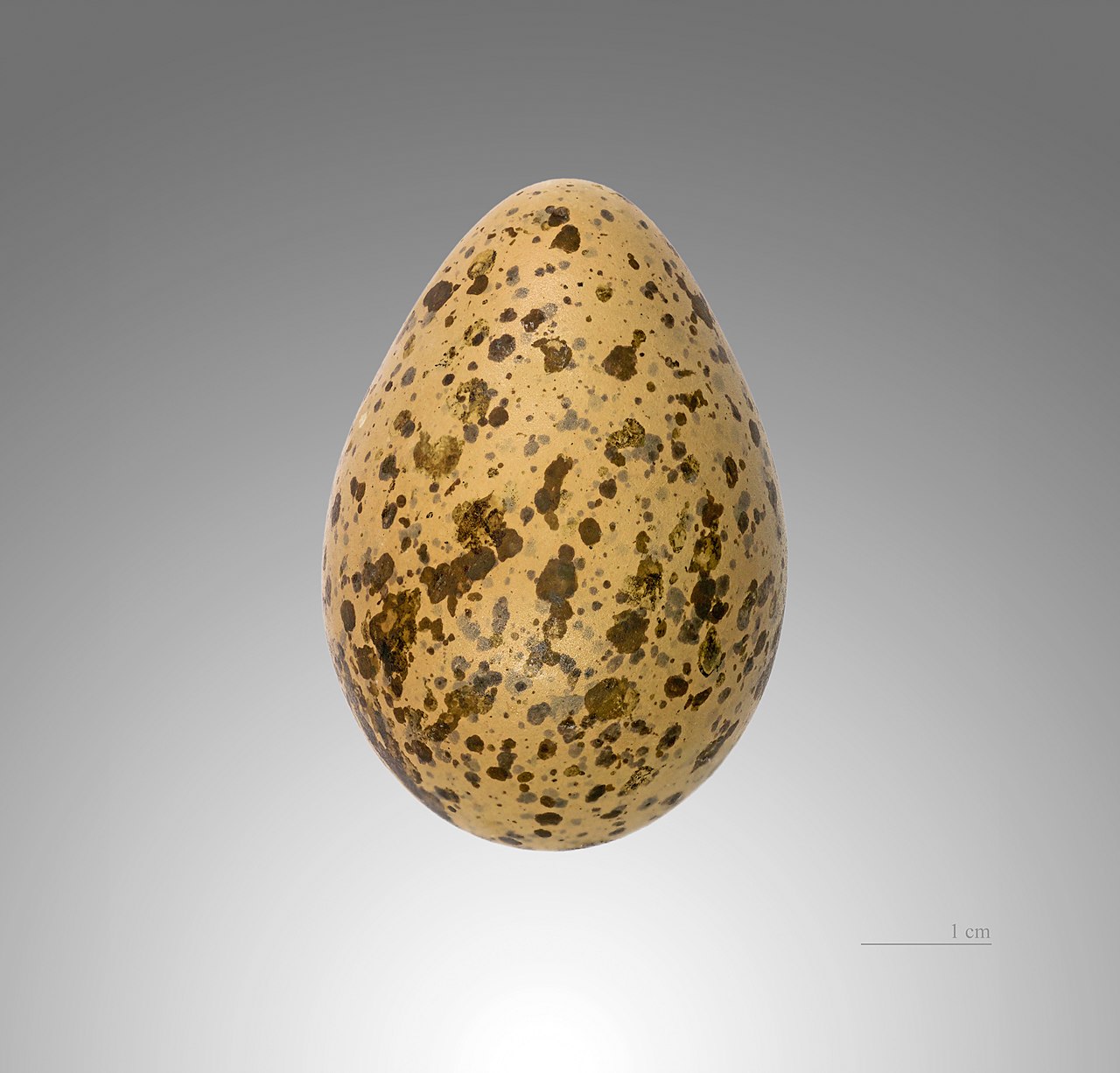
Egg - MHNT


breeding individuals in Kazakhstan
Temperament
social and active
Flight Pattern
strong flier with swift, direct flight and agile wheeling in flocks
Social Behavior
Breeds on the ground in loose colonies or semi-colonial groups on open steppe. Nests are simple scrapes lined with plant material, and both parents share incubation and chick care. Outside the breeding season it gathers in conspicuous flocks, especially at traditional stopover fields.
Migratory Pattern
Seasonal migrant
Song Description
Calls are sharp, ringing notes and chattering “kew-it” or “chit” phrases, often given in flight. Displaying birds produce more rapid, excited sequences over breeding territories. Vocalizations carry well over open steppe.
Plumage
Sleek, sandy-brown upperparts with fine mottling and a contrasting pale face. In breeding plumage it shows a black crown and mask, strong pale supercilium, and a dark belly patch with buffy breast tones. In flight the wings show bold white panels contrasting with black primaries and a dark tail band.
Diet
Primarily takes ground-dwelling invertebrates such as beetles, grasshoppers, ants, caterpillars, and other insects, as well as spiders and worms. It may supplement its diet with seeds and plant matter when invertebrates are scarce. Foraging is mostly by walking and picking prey from the surface or shallow probing in soft soil.
Preferred Environment
Feeds in short-grass steppe, grazed pastures, ploughed fields, and stubble where visibility is high and prey is accessible. Often associates with livestock, which help maintain low sward structure and expose invertebrates.


