

The social flycatcher is a passerine bird from the Americas, a member of the large tyrant flycatcher family Tyrannidae. It is found in Mexico, every Central American country, and every mainland South American country except Chile, Guyana, Suriname, and Uruguay. It has also occurred as a vagrant in the United States.
Region
Mexico, Central America, and much of South America
Typical Environment
Common in open woodlands, forest edges, river corridors, second growth, and agricultural areas. It adapts well to suburban and urban parks with scattered trees and clearings. Often found near water and along roadsides where perches are abundant. Readily occupies disturbed habitats and is tolerant of human presence.
Altitude Range
0–2000 m
Climate Zone
Tropical
Ease of Keeping
Beginner friendly: 2/5
The social flycatcher is a common and adaptable tyrant flycatcher found from Mexico through much of Central and South America. It often nests near active wasp or bee colonies, likely gaining protection from predators. This species is frequently seen in human-altered landscapes, including parks and gardens, where it perches conspicuously to sally for insects.


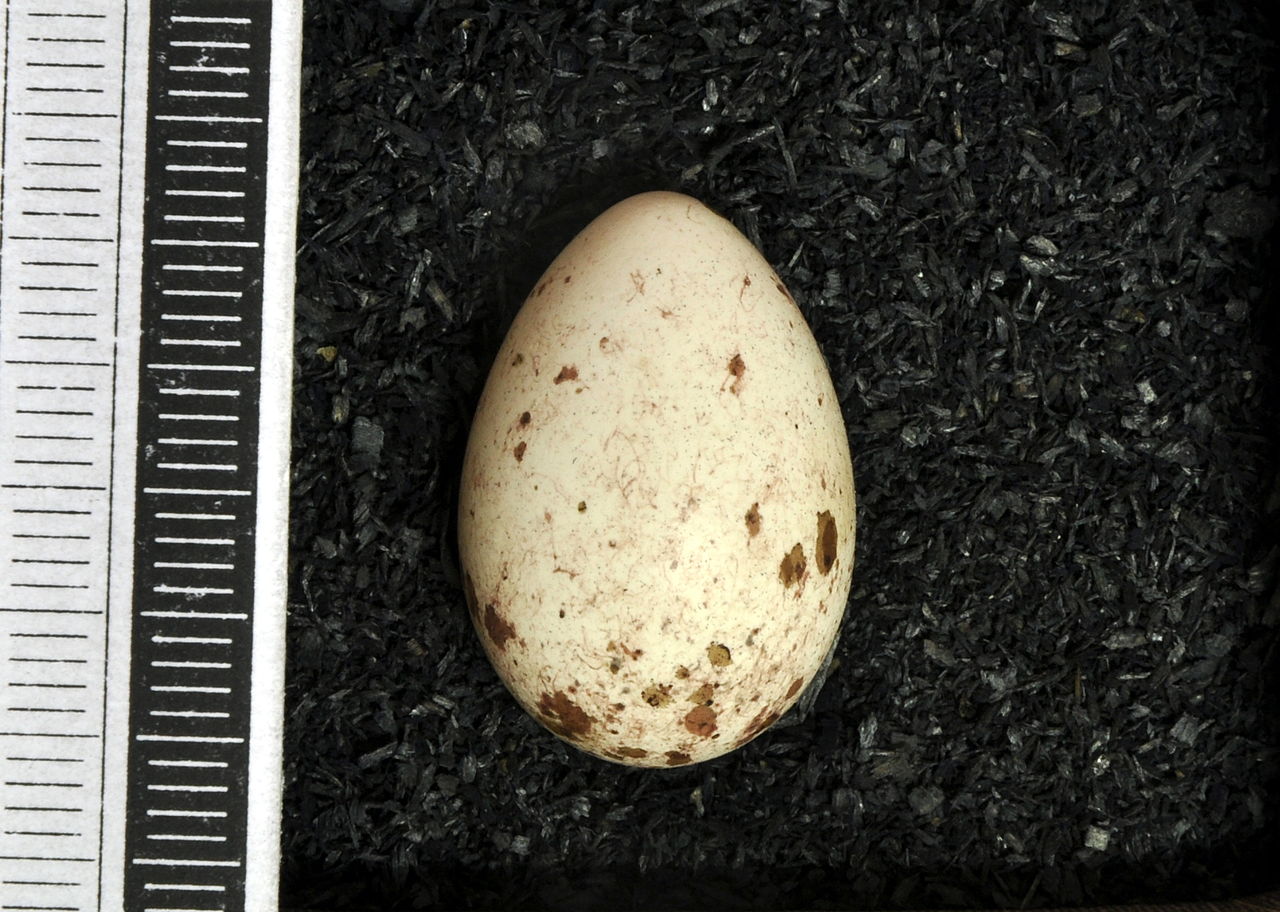
Egg, collection Museum Wiesbaden


Temperament
social and active
Flight Pattern
short rapid wingbeats with frequent sallies from exposed perches
Social Behavior
Typically seen in pairs or small family groups, often conspicuous and tolerant of people. Open cup nests are frequently placed near active wasp or bee nests, which may deter predators. Pairs defend territories during breeding but can aggregate loosely where food is abundant.
Migratory Pattern
Resident
Song Description
Vocal and chatty, delivering sharp chips, squeaky whistles, and short chattering phrases. Repeated call notes carry well from exposed perches.
Plumage
Olive-brown upperparts with bright yellow underparts and a clean white throat; head shows a bold white eyebrow above a black mask.
Diet
Primarily captures flying insects by sallying from perches. Also gleans insects from foliage and occasionally takes small fruits and berries, especially outside peak insect abundance. Will opportunistically forage around human settlements where insect prey is plentiful.
Preferred Environment
Feeds along forest edges, riparian corridors, gardens, and clearings with scattered trees that offer good perches. Frequently forages from wires, fences, and exposed branches.


